Houseplant growing guide
Asparagus fern
Asparagus aethiopicus · Asparagaceae
Sun
Bright indirect
Season
Year-round indoors
Maturity
2 to 3 ft
Water
Moderate
Soil pH
5.5 to 6.5
Spacing
Pot or hanging basket
By Dandre Noah
Planting asparagus fern
Pot it in a rich, well-drained mix in bright indirect light; it tolerates lower light but fades there. Despite the name it is not a fern at all but a member of the asparagus family, native to southern Africa and usually sold as A. densiflorus 'Sprengeri' or the upright 'Myersii' foxtail form. As a houseplant it stays 2 to 3 feet; outdoors it is perennial only in zones 9 to 11, where the arching form cascades from baskets. A light freeze kills it to the ground, but the fleshy root crown survives to about 25 degrees and resprouts.
Planting details
- Bright indirect light; hot direct sun yellows the foliage
- Water regularly spring through fall, sparingly in winter
- Hardy outdoors in zones 9 to 11 only
- Berries are toxic and stems carry small spines; keep from pets and children
- Tuberous roots fill pots fast; divide to propagate
Growing requirements
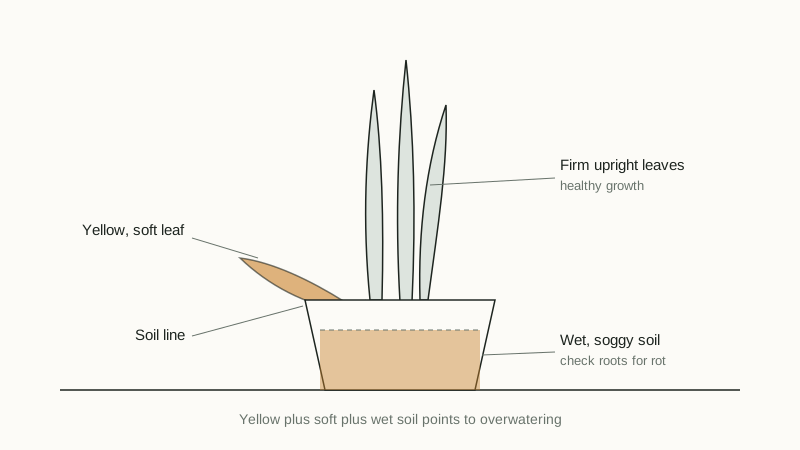
Filtered light and a peaty, well-drained mix suit it best, and unlike true ferns it does not demand high humidity or fussy temperatures. Water thoroughly when the top of the mix dries from spring through autumn, then ease off in winter. The fleshy tuberous roots store water, so it forgives a missed watering far better than any real fern. Yellowing needles that drop mean too little light or a watering problem; crisped brown tips point to dry air or a thirsty plant.
Harvesting and care
When stems go leggy or scraggly, cut them all the way to the base rather than shortening them; fresh fronds push up from the crown. Repot when the thick tuberous roots pack the pot, which happens fast enough to crack a thin container, and use the division to make new plants. It summers happily outside in shade but must come in before nights drop below about 50 degrees. Wear gloves for heavy pruning: the stems carry small spines and the sap irritates some skin.
Common mistakes
- Hot afternoon sun on the fronds, which bleaches them yellow
- Trimming stem tips instead of cutting whole stems back to the crown
- Treating it like a fern that wants constant wet soil; the tuberous roots rot in soggy mix
- Leaving the ornamental berries where children or pets can eat them
- Planting it in the ground in Florida, Hawaii, or coastal California, where it is invasive
Companion plants
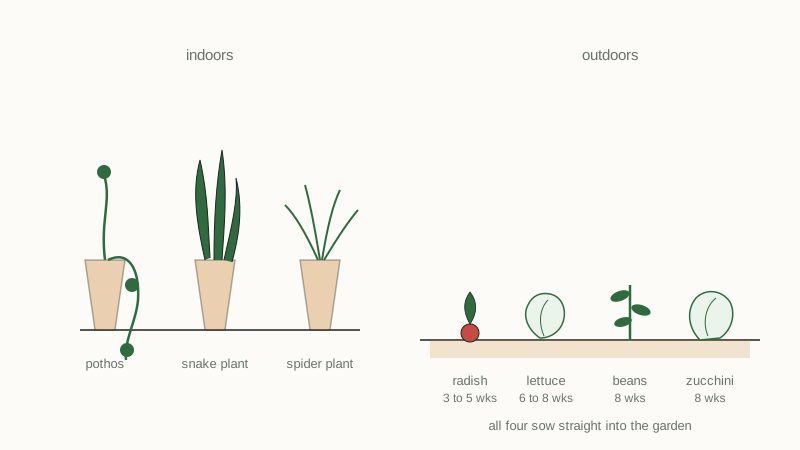
Its fine, airy texture softens collections of bolder-leafed shade lovers like snake plant and Chinese evergreen, all of which forgive similar light and neglect. In a hanging basket it shows best alone, where the arching fronds can cascade freely. Outdoors in zone 9 and warmer it layers beneath palms and tree canopies where lawn grass fails.
Varieties worth growing
- Sprengeri: the classic arching basket form
- Myersii (foxtail fern): upright bottle-brush plumes
- Sprengeri Compacta: tighter mound for small pots
- A. setaceus (plumosa fern): the flat lacy fronds used by florists
Frequently asked questions
Is asparagus fern really a fern?
No. It is in the asparagus family; the feathery leaves are modified stems called cladodes, not true fronds.
Why is my asparagus fern turning yellow?
Usually too little light or a watering problem. Check whether the mix drains well and whether the pot gets bright indirect light.
Are asparagus fern berries poisonous?
Yes, to people and pets. Clip the berries off if children or animals can reach the plant.
Can asparagus fern live outside?
Year-round in zones 9 to 11. Elsewhere it summers outdoors in shade and comes inside before nights drop below about 50 degrees.