
Garden guides
Clear guidance for the decisions a calculator cannot make
Read answer-first guides for timing, methods, troubleshooting, and seasonal garden work.
Fruit
How do you grow strawberries at home?
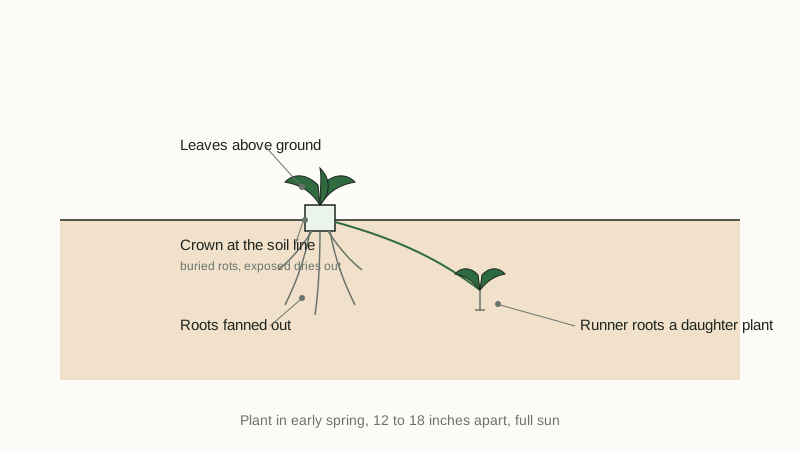
Plant strawberries in early spring with the crown at soil level, 12 to 18 inches apart, in full sun. The type you pick decides your harvest pattern.
Houseplants
How do you care for a spider plant?
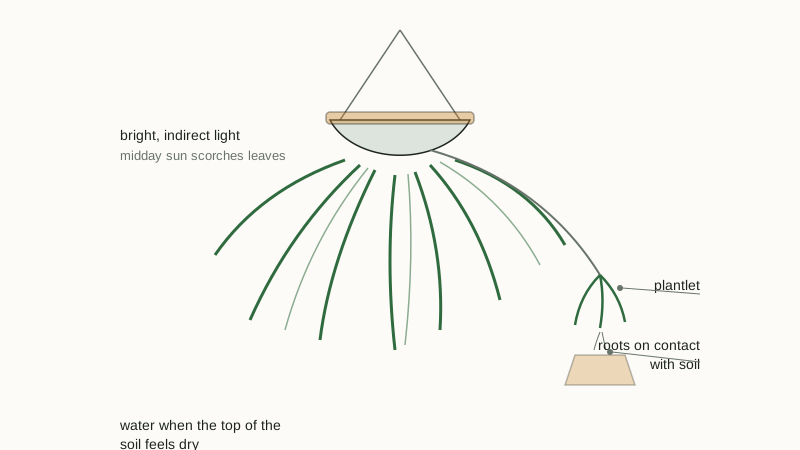
Spider plant care: bright indirect light, letting the soil dry between waterings, fixing brown leaf tips, and rooting the baby plantlets.
Choosing
What are the easiest plants to grow?
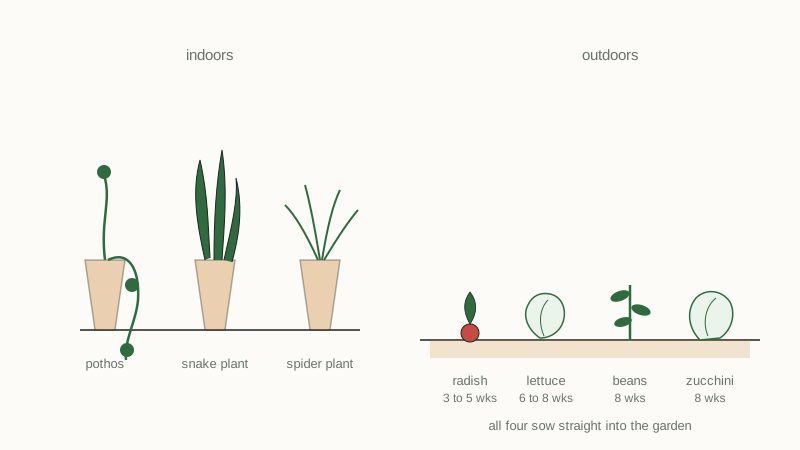
The easiest plants for beginners, indoors and out: radishes, lettuce, and zucchini in the garden; pothos, snake plants, and spider plants in the house.
Planting
How do you plant lavender for success?
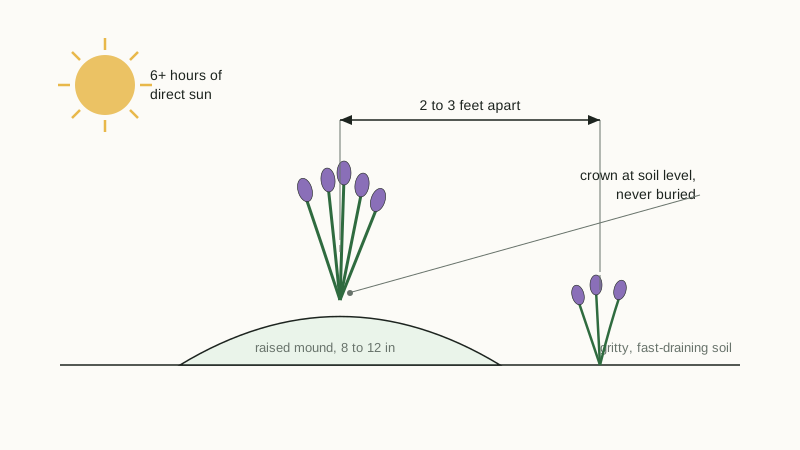
Planting lavender in full sun with fast-draining soil: when to plant by climate, how to fix heavy soil, spacing, and first-year watering.
Houseplants
How do you care for a monstera?
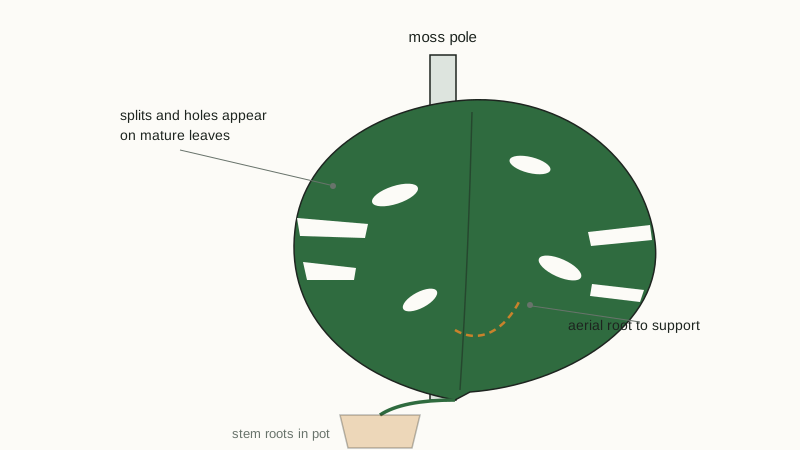
Monstera care basics: bright indirect light, watering when the top of the mix dries, climbing support, repotting, feeding, and keeping it away from pets.
Seeds
When should I start seeds indoors?
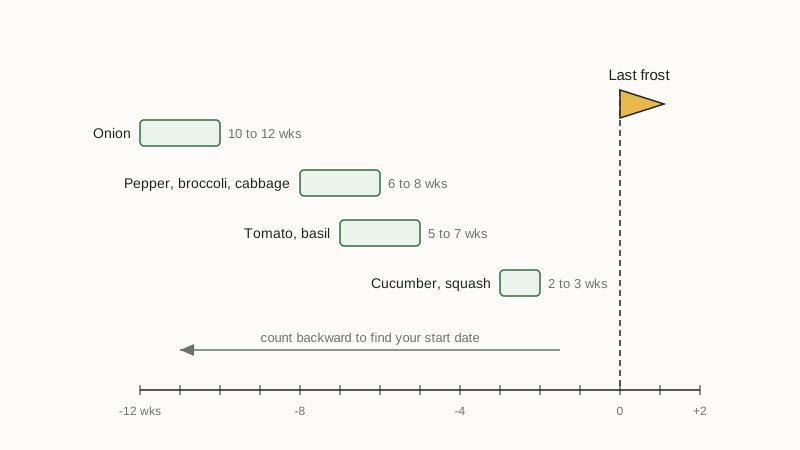
How to count backward from your last frost date to a seed starting window for each crop, with a week-by-week table for common vegetables, herbs, and flowers.
Houseplants
Why isn't my monstera splitting?
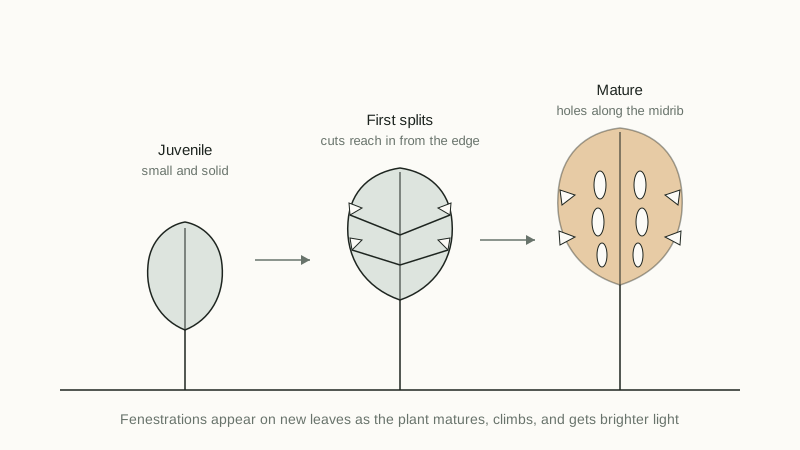
Monstera leaves split only on mature, climbing plants in bright light. If yours is still solid, the fix is usually patience, more light, or a moss pole.
Houseplants
Why is my snake plant turning yellow?
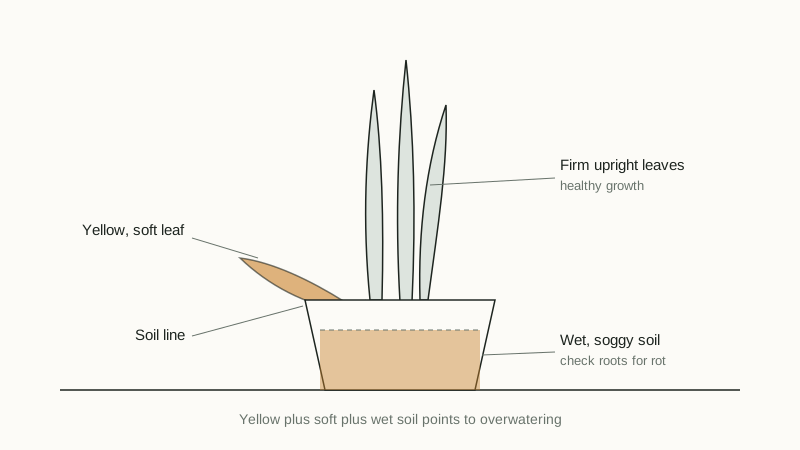
Yellow snake plant leaves usually mean overwatering. Check the soil and roots first, then rule out cold drafts, too much sun, and normal aging of old leaves.
Planting
How do you plant succulents in pots?
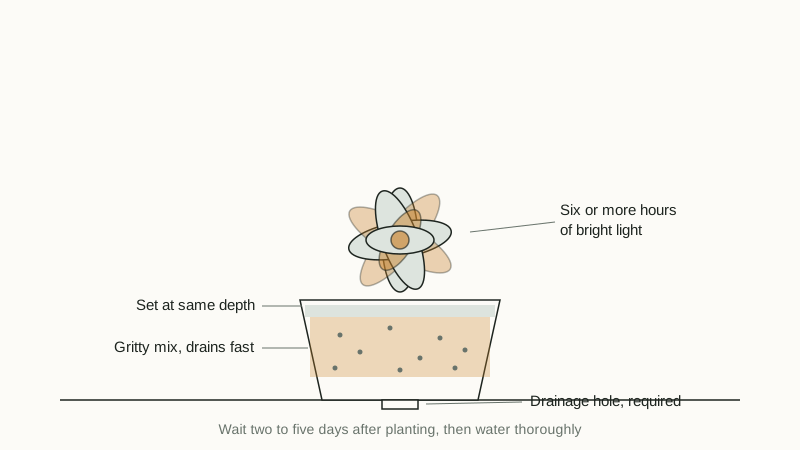
Plant succulents in gritty, fast-draining mix in a pot with a drainage hole, set them at the same depth, wait a few days to water, and give six hours of light.
Identification
What kind of plant is this? A field guide
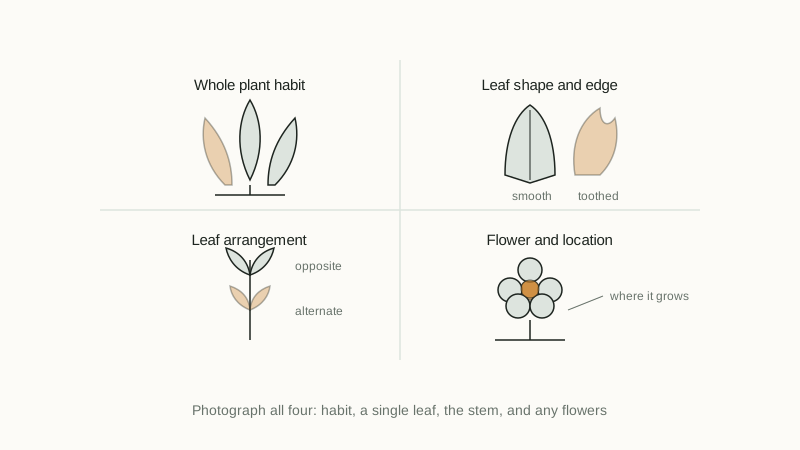
A practical workflow for identifying an unknown plant: photograph the right features, check leaf shape and arrangement, and confirm with free resources.
Houseplants
How often should you water a snake plant?
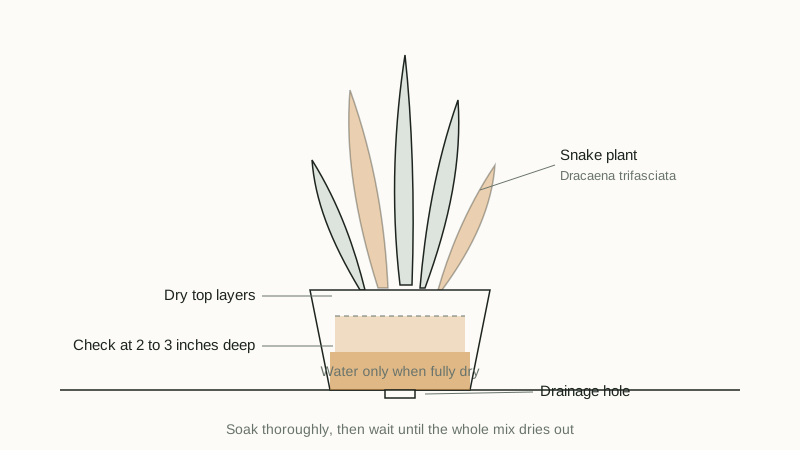
The direct answer is every 2 to 6 weeks, only when the soil is fully dry. Here is how pot size, light, and season change that number.
Houseplants
How do you grow a coffee plant at home?
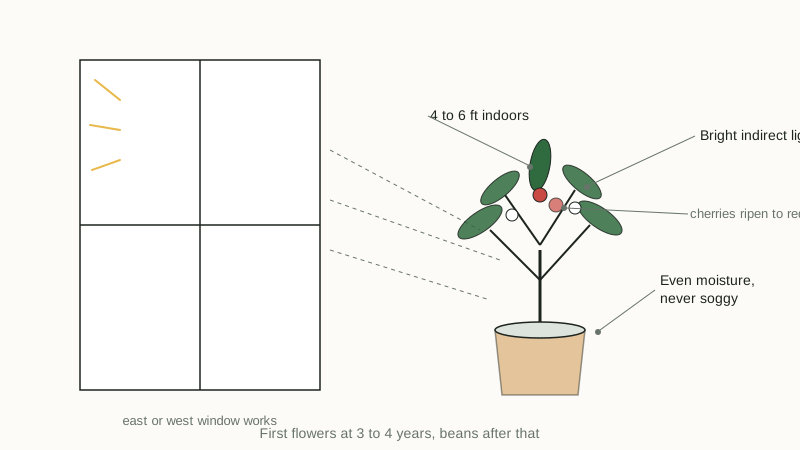
Coffee plants grow well indoors with bright indirect light, even moisture, and high humidity. Expect three to four years before the first flowers.
Houseplants
How do you care for an air plant?
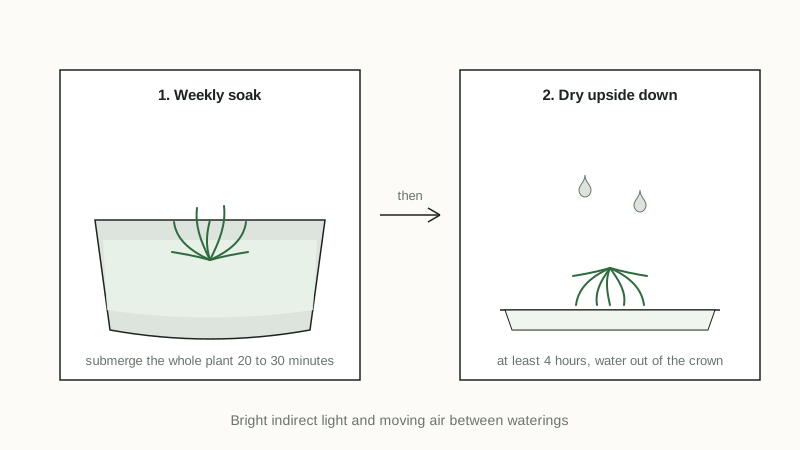
Soak air plants for 20 to 30 minutes once a week, dry them upside down on a towel, and give them bright light and moving air.
Planning
When is my last frost date for planting?
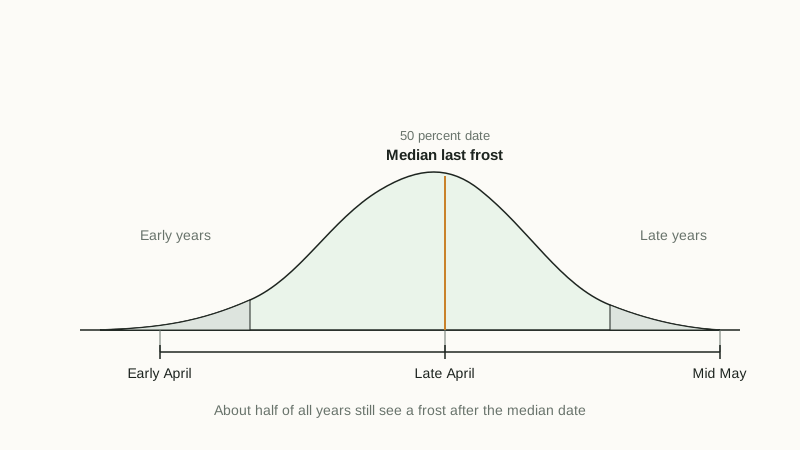
Your last frost date is a probability, not a promise: the median date of the last spring freeze at the weather station nearest you.
Greenhouse growing
Greenhouse temperature guide for seeds and seedlings
Use crop-specific greenhouse temperatures for seed germination, seedlings, frost protection, and ventilation, with practical day and night ranges.
Seasonal
What can I plant right now in my garden?
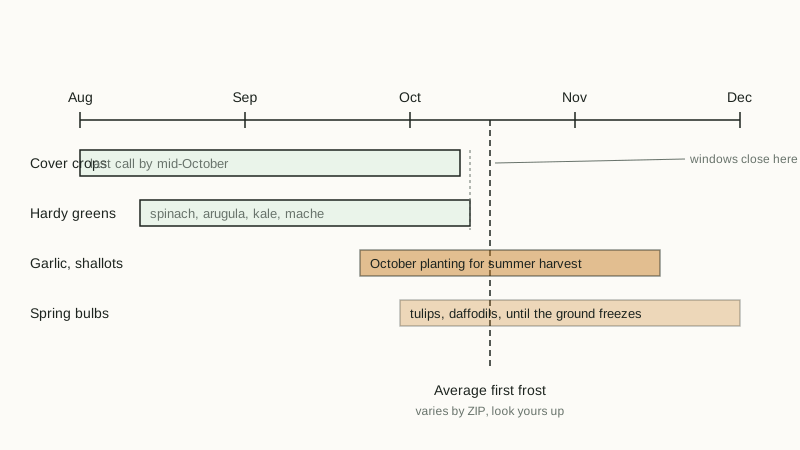
In early October, most US gardeners can still plant garlic, spring bulbs, hardy greens, and cover crops. Here is what is still open and what has closed.
Fall planting
When should I plant tulip bulbs?
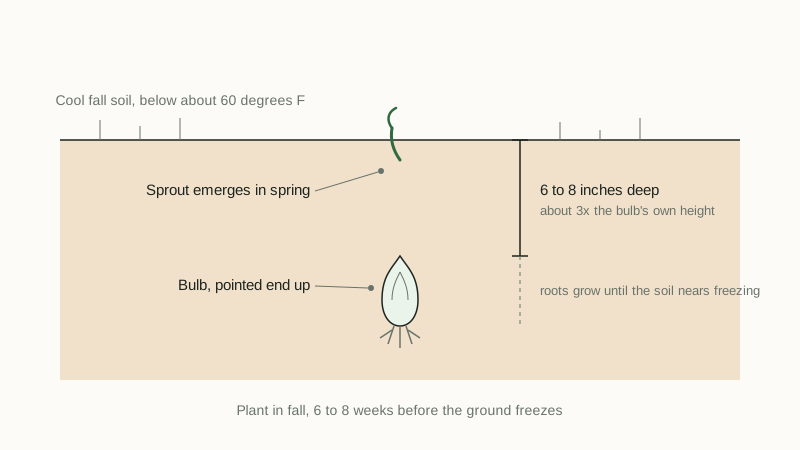
Plant tulip bulbs in fall, about 6 to 8 weeks before the ground freezes. Here is how the window shifts by region and how deep to plant.
Materials
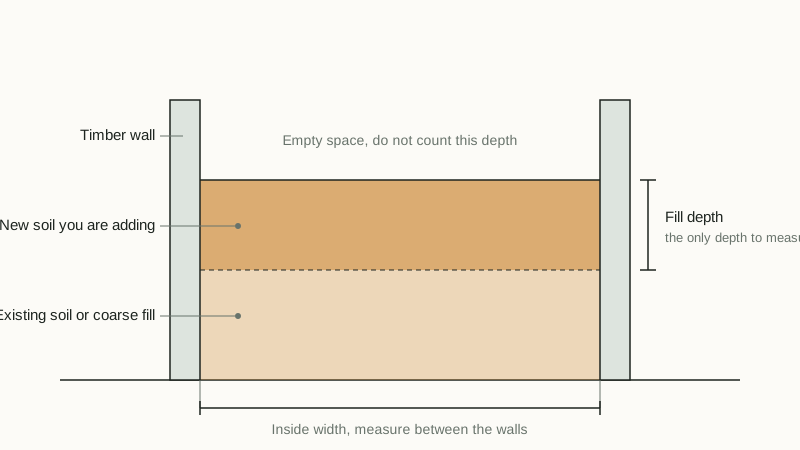
How much soil does a raised bed need?
How to measure a raised bed and turn the volume into bags or bulk cubic yards, with a worked example for a common 8 by 4 bed.