plant labels
Indeterminate
Last reviewed 2026-10-04
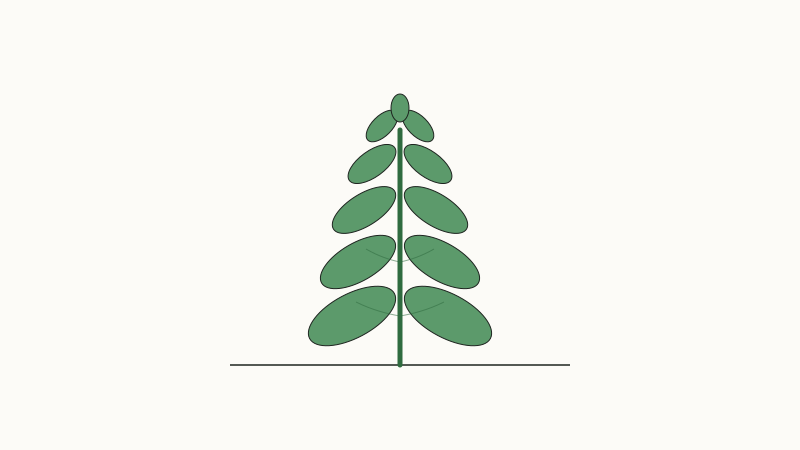
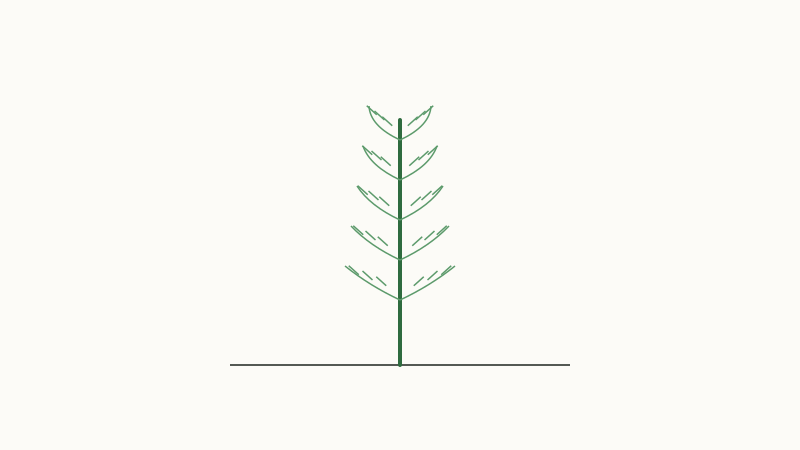
Indeterminate describes a tomato growth habit in which the main stems continue extending and making flower clusters while temperature, light, and plant health allow. These plants often produce fruit over a longer season than determinate types and usually need substantial support.
What it means
An indeterminate tomato is not defined by one final height. A variety can grow several feet, and some vines grow much farther when supported in a long season. The seed packet may describe mature height, but support should be planned for the actual climate and pruning method.
How it affects the garden
Give indeterminate tomatoes a strong cage, trellis, stake, or other support before the plant becomes large. Good spacing improves access and air movement. Pruning is optional and depends on the variety and training system. Removing every side shoot is not a universal requirement, and severe pruning can reduce leaf area and expose fruit to sunscald.
An indeterminate plant can keep flowering after the first fruit begins to ripen. That makes it useful when the goal is a continuing supply for fresh eating. It also means the plant can outgrow a small container or weak support. The plant spacing calculator helps plan the bed, but the variety's mature habit should set the final arrangement.
Example
A vining cherry tomato may keep producing new stems and flowers from early summer into fall. Trained up a tall support, it can provide repeated harvests instead of one concentrated flush.
Common confusion
Indeterminate does not mean wild or unmanageable. It means the growing tip is not limited to a predetermined number of flower clusters. Determinate plants can also be vigorous, and both types benefit from adequate support.
Sources
University of New Hampshire Extension explains tomato growth habits and the practical difference between the two labels.