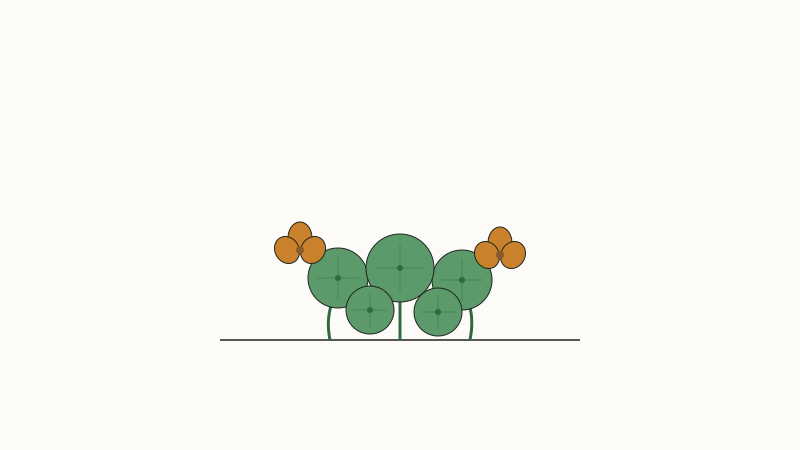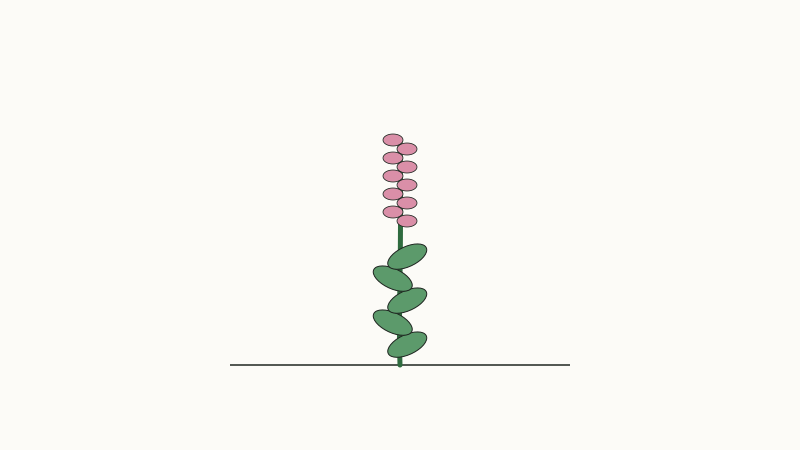
plant labels
Variety
Last reviewed 2026-10-04
Variety has two common meanings in gardening. In everyday language, it means a named type of plant with particular traits. In formal botany, variety is a rank below species for a naturally occurring population with consistent differences. Seed catalogs often use the word broadly, so context matters.
What it means
A variety may differ from another type in color, maturity, size, flavor, or growth habit. A catalog may call a named cultivar a variety even when the formal botanical term would be different. The packet's description and scientific name provide more useful information than the word alone.
How it affects the garden
Compare varieties for traits that matter in your site. A short-season variety can be more useful than a high-yield variety if frost arrives early. Disease resistance may be valuable in a humid garden, while heat tolerance may matter in a long summer. The plant selection tool helps compare the practical fit.
Example
A seed packet may list several lettuce varieties with different colors and days to maturity. All are lettuce, but each variety has a different harvest window and tolerance of heat.
Common confusion
Variety is not always a precise synonym for cultivar. Hybrid describes a cross between parents, and heirloom describes a historical or preservation label. One plant can fit more than one description.
Sources
USDA Agricultural Research Service provides plant taxonomy and nomenclature resources for interpreting formal names.