plant biology
Vernalization
Last reviewed 2026-10-04
Vernalization is the process by which exposure to cool temperatures enables or accelerates flowering in a plant. It is a developmental requirement for some bulbs, biennials, perennials, and cool-season crops. The needed temperature, duration, and plant age vary by species and variety.
What it means
A plant that needs vernalization may grow leaves without flowering if it never experiences enough cool weather. The cold signal can be received by a seed, bulb, crown, or growing plant, depending on the species. Vernalization is a biological response, not simply a general statement that a plant likes cool weather.
How it affects the garden
This term helps explain why some bulbs flower after winter and why a biennial produces a flower stalk in its second season. In vegetables, cold exposure can sometimes cause a plant to flower earlier than desired. Planting time, variety selection, and local temperature patterns all matter.
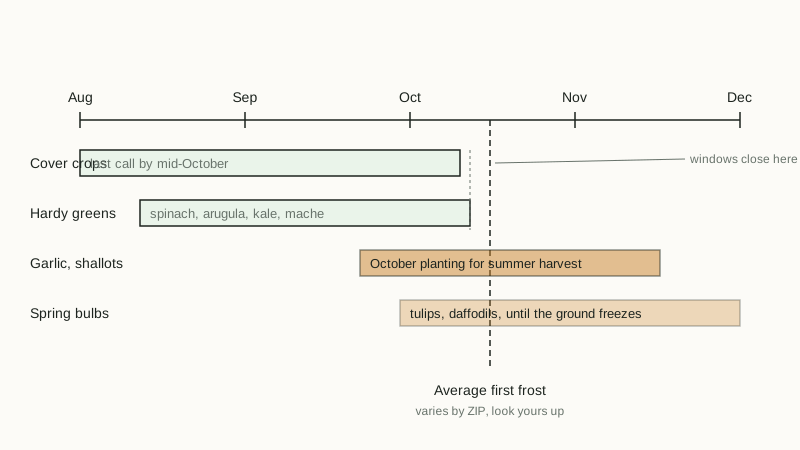
Do not treat a hardiness zone as a direct flowering guarantee. Zones describe average annual extreme minimum temperature, not every seasonal cue. Follow the planting instructions for the specific crop and use the planting calendar as a timing aid rather than a substitute for the plant's requirements.
Example
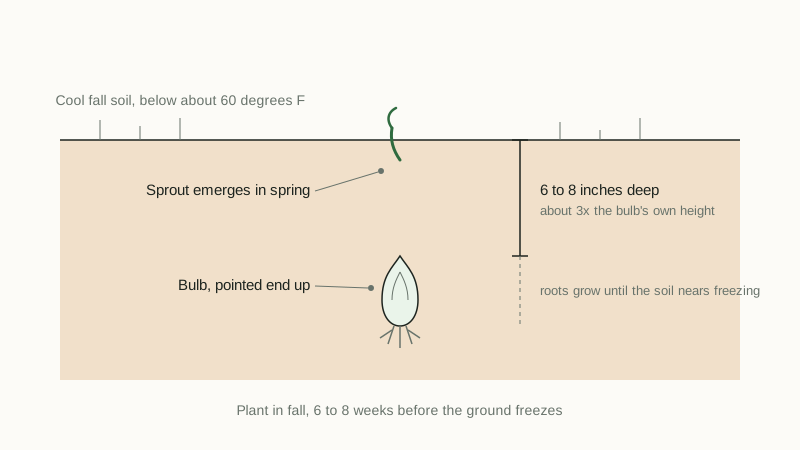
A tulip bulb planted in autumn experiences cool soil over winter, then flowers in spring. The winter chill is part of the seasonal sequence that allows normal flowering.
Common confusion
Vernalization is related to stratification but not identical. Stratification usually describes dormancy treatment for seeds. Vernalization describes the flowering response to cold in a plant or plant part.
Sources
The Ohio State University Extension explains the role of temperature in flowering and plant development.