plant labels
Annual
Last reviewed 2026-10-04
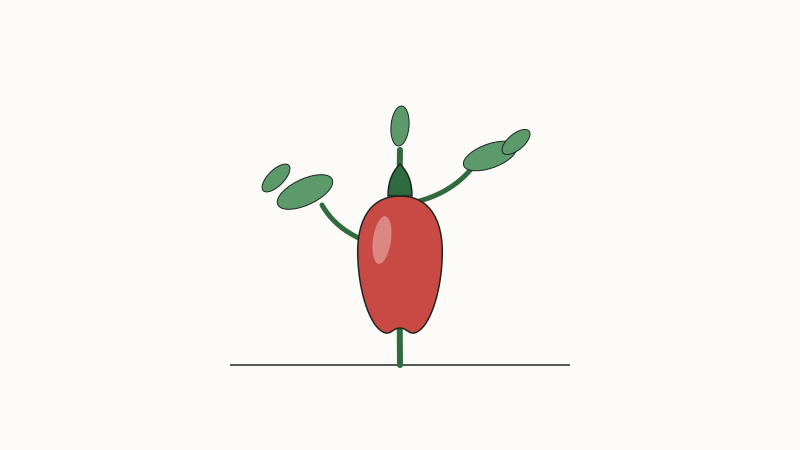
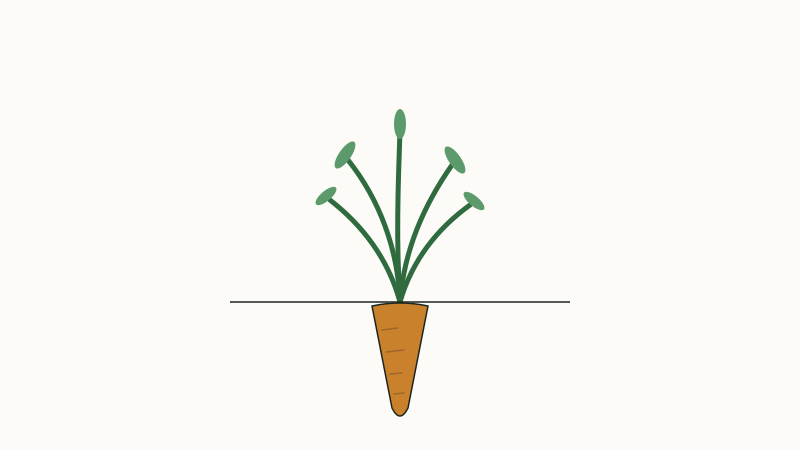
An annual is a plant that completes its life cycle from seed through growth, flowering, seed production, and death within one growing season. The length of that season depends on the plant and climate. Gardeners often grow annuals for flowers, leaves, roots, or fruit even when the plant does not survive winter.
What it means
Annual describes a biological life cycle, not a promise that a plant will live for exactly twelve months. A warm-season annual may be killed by the first freeze, while a cool-season annual may finish before summer heat. Some plants sold as annuals in cold climates are perennial in warmer climates.
How it affects the garden
Annuals are useful when you want quick color, a single-season crop, or a chance to try a plant without committing space for years. They often need to be started again each season. Some annuals reseed, but volunteer seedlings are not guaranteed to match the parent or appear where you want them.
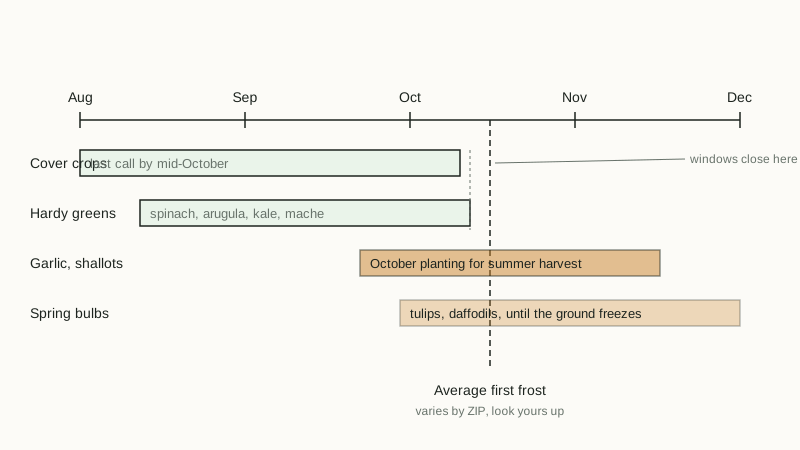
Use the planting calendar to match a crop to local temperature and frost conditions. Days to maturity can help estimate harvest, but it varies with the starting point and weather.
Example
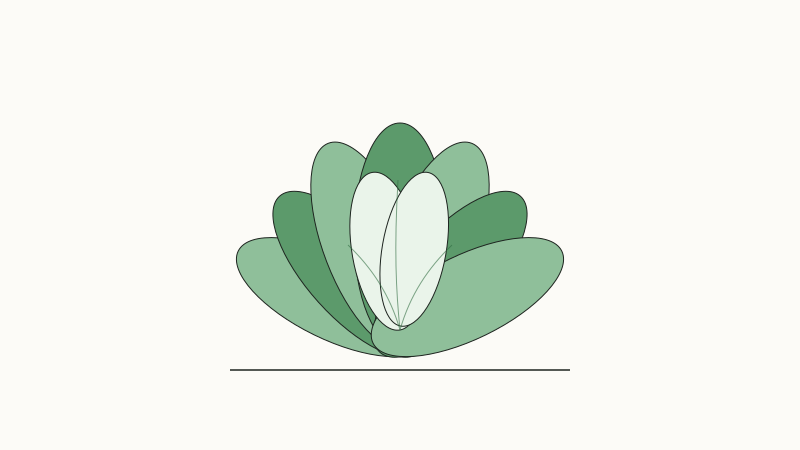
A lettuce plant may germinate, produce leaves, flower, and set seed during one cool season. In a hot climate it may finish quickly, while in a mild climate it may last longer, but its life cycle is still annual.
Common confusion
Annual does not mean low maintenance or inferior. Perennials live for multiple years, and biennials usually need two growing seasons to flower and set seed.
Sources
University of Minnesota Extension explains annual, perennial, and biennial plant life cycles.