timing
First frost date
Last reviewed 2026-10-04
A first frost date is a probability-based estimate of when a location may experience its first autumn freeze. The date depends on the temperature threshold, probability, and climate record used. It helps gardeners plan harvest and crop protection, but it does not predict the exact first freeze in a particular year.
What it means
Some sources define frost around 32 degrees Fahrenheit, while crop damage can occur at warmer or colder temperatures depending on the plant, duration, wind, and shelter. A 50 percent date represents a different level of risk than a 10 percent or 90 percent date. Read the source's definition before using the date.
How it affects the garden
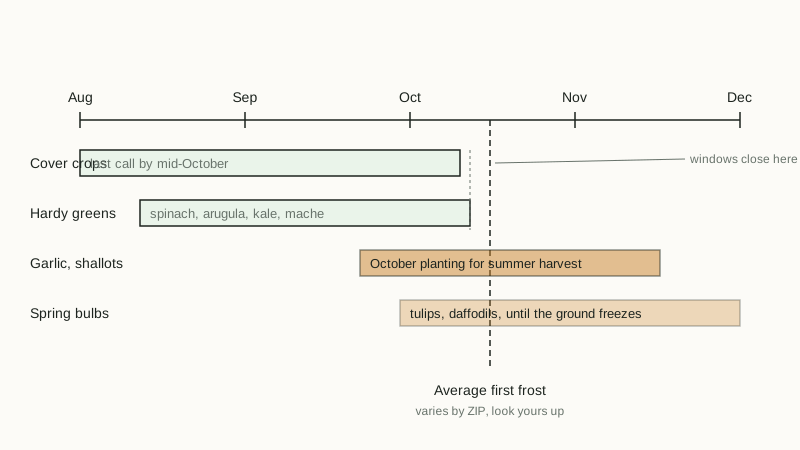
Count backward from the expected first frost when planning fall crops, allowing time for germination and growth. Harvest tender crops before damaging cold, or use row cover and other protection when appropriate. Cool-season crops may continue growing after a light frost, while warm-season crops can be damaged quickly.
The fall planting calculator uses a frost date as a planning input. Check a current forecast when a freeze is possible, because climate averages cannot replace short-term weather information.
Example
If the selected first frost estimate is October 20, a gardener might schedule a fall crop backward from that date. The choice of probability determines how conservative the schedule is.
Common confusion
First frost date is not the same as hardiness zone or first freeze in every source. It is a seasonal probability estimate, not a guarantee.
Sources
NOAA U.S. Climate Normals provides the long-term climate records used for freeze probability estimates.