Vegetable growing guide
Cauliflower
Brassica oleracea var. botrytis · Brassicaceae
Sun
Full sun
Season
Cool
Maturity
50 to 100 days
Water
Moderate
Soil pH
6.0 to 7.0
Spacing
18 to 24 in
By Dandre Noah
Planting cauliflower
Cauliflower is the fussiest of the common brassicas because it needs uninterrupted cool growth to form a good head. Start indoors 4 to 6 weeks before the last frost and transplant out before the seedlings get rootbound, since a stalled transplant buttons up into a tiny premature head. A fall crop is usually more reliable than spring in warm climates, since heads mature into cooling weather. In zones 8 and warmer, cauliflower is often grown as a winter crop rather than a spring one.
Planting details
- Start indoors: 4 to 6 weeks before the last frost
- Transplant before seedlings get rootbound; stress causes button heads
- Spacing: 18 to 24 inches
- Seed depth: about 1/4 to 1/2 inch
- Fall crop is often easier than spring in warm climates
Growing requirements
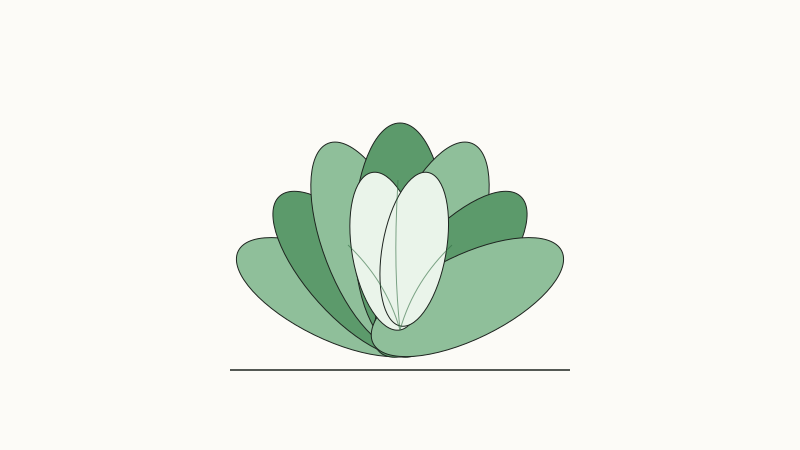
Cauliflower needs steady, uninterrupted cool growth: fertile soil, even moisture, and no long cold snaps or heat waves while the head forms. Any stall in growth tends to produce a small, disappointing button instead of a usable curd. Soil pH 6.0 to 7.0 suits it, and it is a heavy feeder, so compost at planting and a side dressing when the head starts are worthwhile. Self-blanching varieties cover the curd with their own leaves; others need the outer leaves folded over the head once it reaches egg size to keep it white.
Harvesting and care
For white heads, fold the outer leaves over the curd when it reaches egg size unless you grow a self-blanching type. Cut the head while the curd is still tight, white, and smooth; a loose, yellowing, or ricey curd is past its best. In a fall garden the heads can sit on the plant for a while in cool weather, which makes staging harvest easier than in spring. Use the leaves and stem too; they are edible and cook like collards.
Common mistakes
- Letting transplants stall or get rootbound, which causes button heads
- Skipping blanching on types that need it, which yellows the curd
- Waiting too long to cut, so the curd loosens and turns grainy
- Growing in the same bed yearly, which builds up clubroot
- Letting plants dry out or overheat, which stalls growth and ruins the head
Companion plants
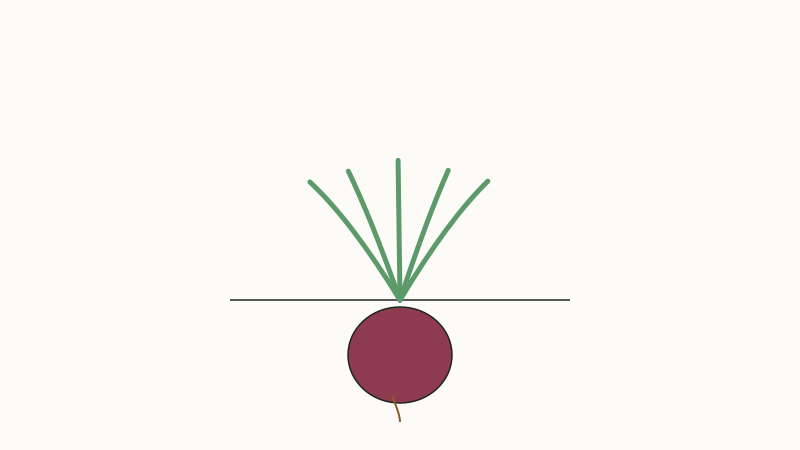
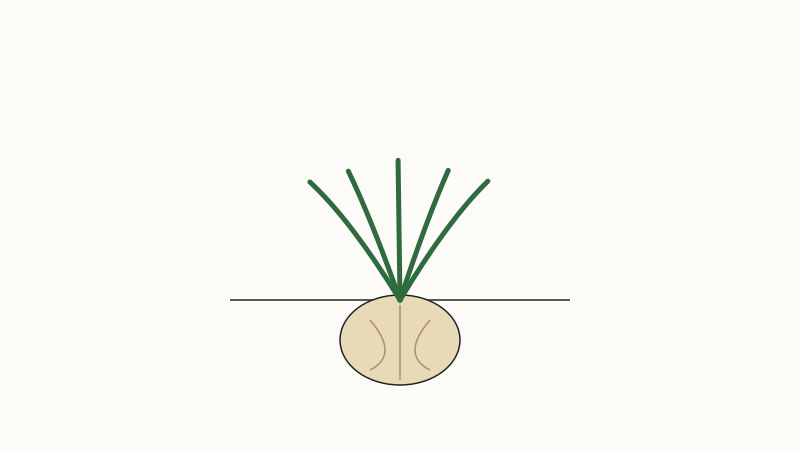
Beets, onions, and lettuce fit between young cauliflower plants because they occupy different depths and finish before the crop needs the room. Rotate away from other brassicas each year to limit shared diseases, and keep cauliflower away from strawberries, which compete for fertility, and tomatoes, which are heavy feeders that crowd its light.
Varieties worth growing
- Snow Crown: early, dependable white type for spring and fall
- Cheddar: orange curds that keep their color cooked
- Graffiti: purple curds; needs no blanching
- Romanesco: spiraled green heads; milder than standard cauliflower
Frequently asked questions
Why did my cauliflower form a tiny button head?
The seedling got stressed before transplanting, usually by being rootbound, cold-shocked, or held too long in the pot. Uninterrupted growth is what makes a full-size curd.
Do I have to blanch cauliflower?
Only for varieties that do not self-blanch. Once the curd is egg size, fold the outer leaves over it and tie them loosely to keep the head white.
Can I grow cauliflower in summer?
It is hard in most climates because heat stalls the head. A fall crop is the reliable choice in warm zones.