timing
Microclimate
Last reviewed 2026-10-04
A microclimate is the local pattern of temperature, moisture, wind, light, and exposure in a small area. A wall, slope, tree canopy, pavement, body of water, or low spot can make one part of a garden behave differently from the broader climate.
What it means
Microclimates can change frost risk, drying speed, soil temperature, and plant growth. Cold air may settle in a low area, while a south-facing wall can stay warmer. A sheltered patio may have less wind but more reflected heat. The effect can change by season and time of day.
How it affects the garden
Use observation to place crops and perennials. Check the site at different times, note where frost lingers, and compare soil moisture after rain. A microclimate can extend a season, but it is not a guarantee against an extreme event. Containers may be more exposed to temperature swings than plants in the ground.
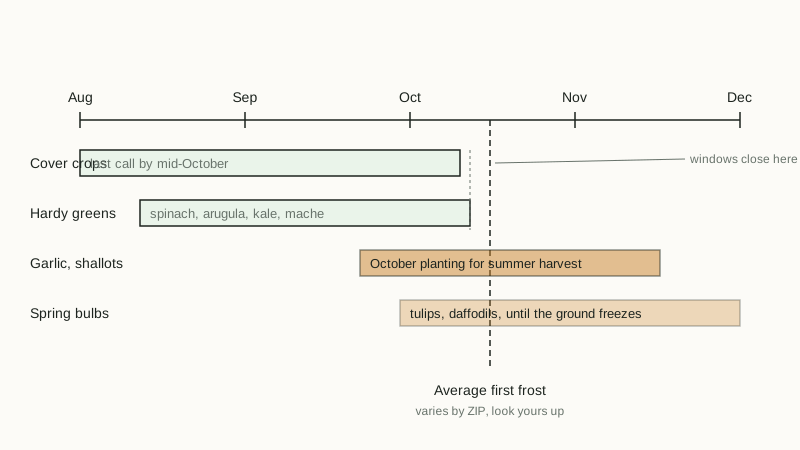
The frost date finder provides regional estimates. The can I grow this tool helps organize site conditions, but your exact planting spot still matters.
Example
A garden beside a sunny masonry wall may warm earlier in spring than an open lawn. A tender crop could grow well there, provided heat and reflected light do not become excessive in summer.
Common confusion
A microclimate is not a replacement for a hardiness zone. It is a local modification of broader conditions.
Sources
USDA Natural Resources Conservation Service explains how local site features influence microclimate.