soil
Mulch
Last reviewed 2026-10-04
Mulch is a layer of material placed on the soil surface. Organic mulches include straw, shredded leaves, bark, and wood chips. Inorganic mulches include gravel, landscape fabric, and other materials. Mulch can reduce evaporation, suppress some weeds, moderate temperature, and protect soil from erosion.
What it means
Mulch works at the surface. It is different from compost or an amendment mixed through the soil. Organic mulch decomposes at different rates and may eventually contribute organic matter, but the short-term effect depends on the material, depth, moisture, and weather.
How it affects the garden
Apply mulch after the soil is adequately moist and keep it away from plant crowns and woody stems. A layer that is too deep can hold excess moisture, reduce air movement, or shelter pests. Fine materials may compact, while coarse materials allow more air through. Check the crop before mulching seedlings, because a heavy layer can block emergence.
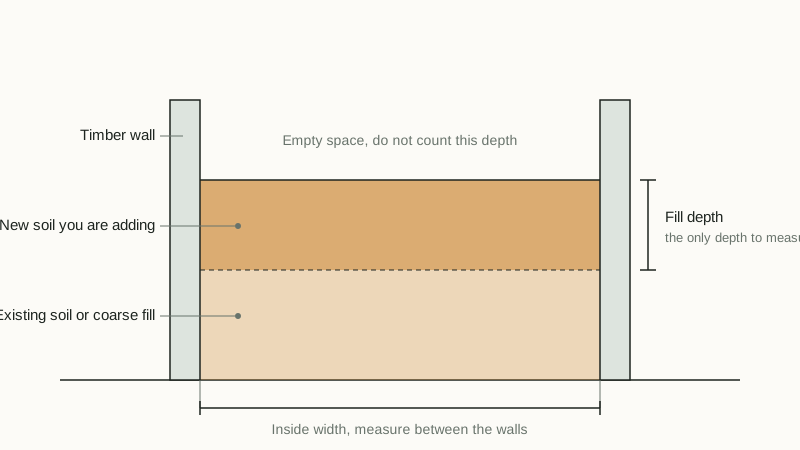
The mulch calculator estimates volume from bed dimensions and depth. The result is a quantity estimate, not a recommendation for one universal depth or material.
Example
A gardener spreads shredded leaves around established vegetables, leaving a gap around each stem. The layer slows surface drying and breaks down over time, while the uncovered stem stays less damp.
Common confusion
Mulch is not a replacement for irrigation, drainage, or soil testing. It can change moisture conditions, but it cannot fix a compacted subsoil or unsuitable planting site.
Sources
University of Minnesota Extension explains mulch materials, benefits, and application cautions.