Herb growing guide
Rosemary
Salvia rosmarinus · Lamiaceae
Sun
Full sun
Season
Warm
Maturity
80 to 100 days
Water
Low
Soil pH
6.0 to 7.5
Spacing
24 to 36 in
By Dandre Noah
Planting rosemary
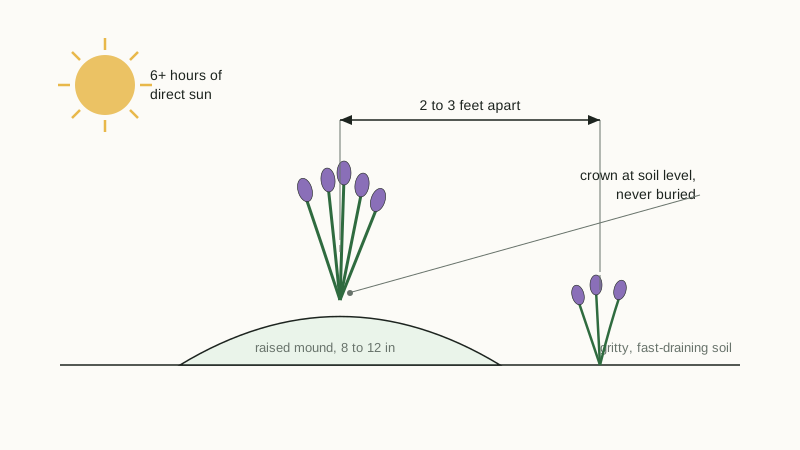
Set nursery starts or rooted cuttings out after the last frost once the soil has warmed. Rosemary is reliably perennial in roughly zone 8 and warmer; everywhere colder, grow it in a pot you can carry indoors before the first fall frost. Skip seed unless you are patient, since germination is slow and erratic even under lights, which is why nearly every plant sold is a cutting-grown clone. Site for drainage above all: a raised bed, a slope, a container, anywhere roots will not sit wet. Plants moving outside after a winter indoors need a week or two of gradual sun to avoid scorching.
Planting details
- Plant starts or cuttings after the last frost into warm, well-drained soil
- Spacing: 24 to 36 inches; plants become woody shrubs several feet tall
- Seed depth: about 1/8 to 1/4 inch, but expect low, slow germination
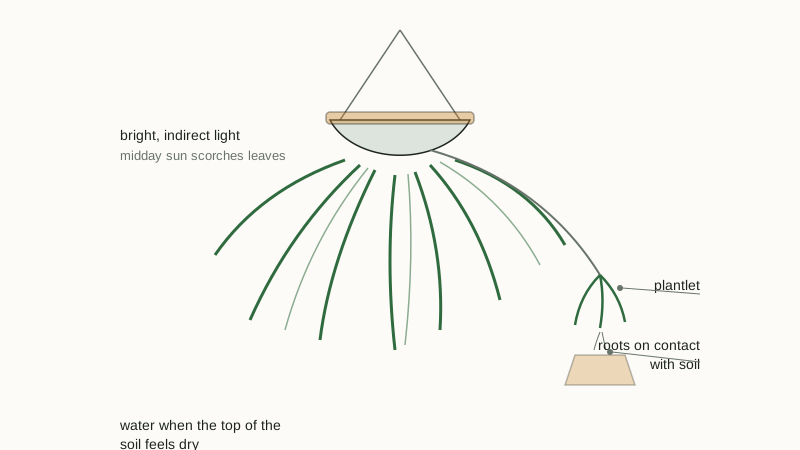
- Stem cuttings root in 4 to 8 weeks and are the usual way to propagate
- In cold climates, bring pots inside before the first fall frost
Growing requirements
Full sun and sharp drainage are nonnegotiable. Rosemary tolerates drought, salt spray, and poor, rocky ground once established, and it is one of the few herbs that prefers soil on the drier, leaner side. Wet clay is the killer, in pots and beds alike. Water deeply but infrequently and let the top few inches dry between waterings. It has little tolerance for wet, humid conditions, and a cold soggy winter damages plants more than temperature alone.
Harvesting and care
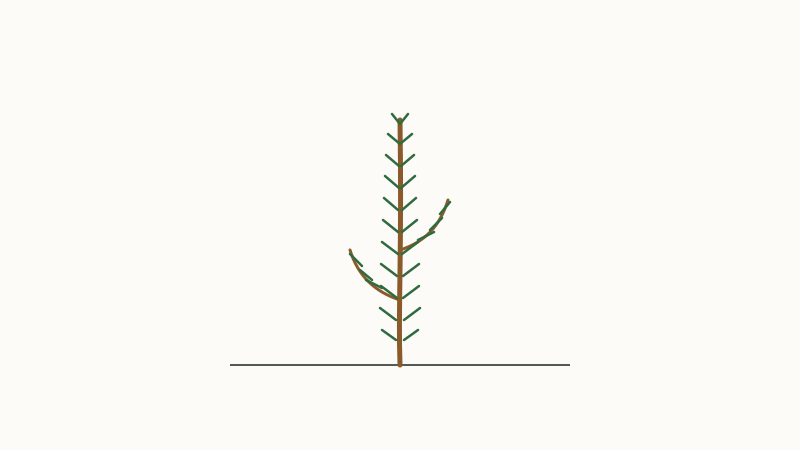
Snip sprigs year round; regular light trimming keeps the plant dense. Always leave green growth on every stem you cut, since bare woody sections seldom resprout. Indoors over winter, give rosemary the brightest, coolest spot in the house, water sparingly, and watch for powdery mildew and spider mites, the two problems that follow it inside. Dry indoor air is the usual culprit when needles drop, so a pebble tray or grouped pots helps.
Common mistakes
- Overwatering, the most common cause of decline and death in pots and beds
- Heavy, wet soil, which rots roots faster than cold ever does
- Pruning into leafless woody stems, which rarely sprout again
- Crowding plants against walls or other shrubs, trapping humidity and inviting powdery mildew
- Parking indoor plants near a heat vent, where dry air pulls moisture from needles faster than roots replace it
Companion plants
Rosemary belongs on the dry, sunny edge of the garden beside sage, thyme, and lavender, which all want the same lean, well-drained conditions. Its small blue flowers feed bees from spring into summer. Keep it out of irrigated vegetable rows and away from basil and mint, whose thirst it cannot share.
Varieties worth growing
- Arp: the hardiest cultivar; the best bet at the cold edge of rosemary's range
- Tuscan Blue: upright and fast growing; the classic kitchen rosemary
- Prostratus: low and creeping, for walls, baskets, and container edges
- Salem: upright to about 3 feet with a strong pine-like scent
Frequently asked questions
Can rosemary survive winter outside?
Reliably in about zone 8 and warmer. In colder zones, pot the plant and bring it in before frost. The cultivar Arp is the most cold-hardy and survives winters that kill other selections.
Why is my indoor rosemary dropping needles?
Usually dry air rather than dry soil. Winter heating drops humidity, so cluster plants together, set the pot on a pebble tray, and keep it in the coolest bright spot available.
Should I grow rosemary from seed?
You can, but germination is slow and poor. A stem cutting roots in 4 to 8 weeks and produces a plant identical to the parent, which is why nurseries propagate it that way.
How do I prune rosemary without killing it?
Little and often, always leaving green growth on each stem. Cuts into bare woody sections seldom sprout new growth, so shape the plant lightly rather than renovating it.