plant biology
Pollination
Last reviewed 2026-10-04
Pollination is the transfer of pollen from anthers to a receptive stigma or ovule-bearing structure. In many garden plants, successful pollination allows fertilization and the development of seeds or fruit. Wind, insects, birds, animals, gravity, or people can move pollen, depending on the plant.
What it means
Some flowers can pollinate themselves, while others need pollen from a separate plant or compatible variety. A plant may produce flowers without setting fruit if pollen is missing, weather prevents movement, the flowers are not compatible, or another stress affects the plant.
How it affects the garden
Provide conditions that support the plant's pollinators and flowering period. Avoid assuming that every flower needs a second plant. Check the crop's pollination requirements before buying a pair. Cool weather, rain, heat, pesticides, and a lack of pollinator activity can all affect fruit set.
The companion planting checker can help consider flower timing and habitat, but it cannot guarantee pollination. Avoid pesticide applications that harm visiting pollinators, and follow the label whenever a treatment is necessary.
Example
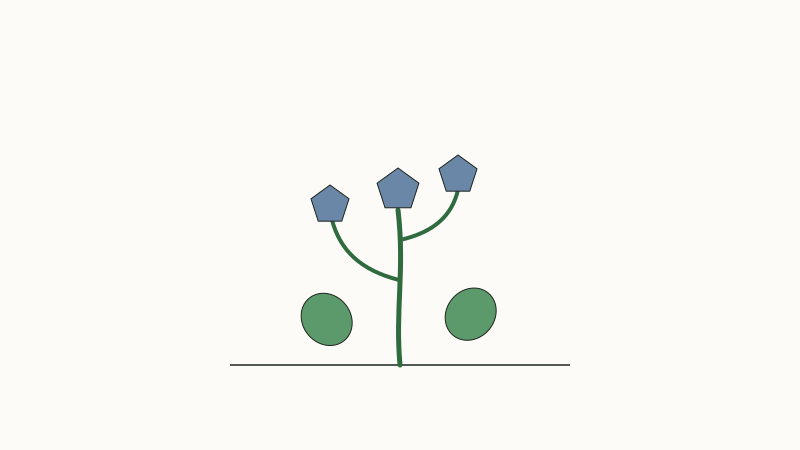
A squash plant may produce male flowers before female flowers. That early pattern does not prove pollination failed. Later, pollen must reach the female flower for the young fruit to develop normally.
Common confusion
Pollination is not fertilization. Pollination moves pollen. Fertilization is the later biological union that leads to seed development.
Sources
University of Minnesota Extension explains pollination requirements and the role of compatible varieties in fruit production.