What does this seed quantity calculator calculate?
This calculator converts a bed size into a seed count. It works out how many plants fit at the crop's recommended spacing, multiplies by seeds per spot for your sowing method, then adjusts upward for germination so the sowing is not counting on every seed coming up.
The result gives you a total seed count plus the row breakdown behind it.
What you will need
The crop
Choosing the crop applies its recommended plant and row spacing, the same values used by the plant spacing calculator, and a planning germination rate. The spacing presets assume a normal row layout.
Sowing method
Start indoors counts one seed per cell, which suits transplants like tomatoes and broccoli where each seedling is valuable. Direct sow counts two seeds per spot, matching the common practice of sowing thicker and thinning to the strongest seedling.
Bed length and width
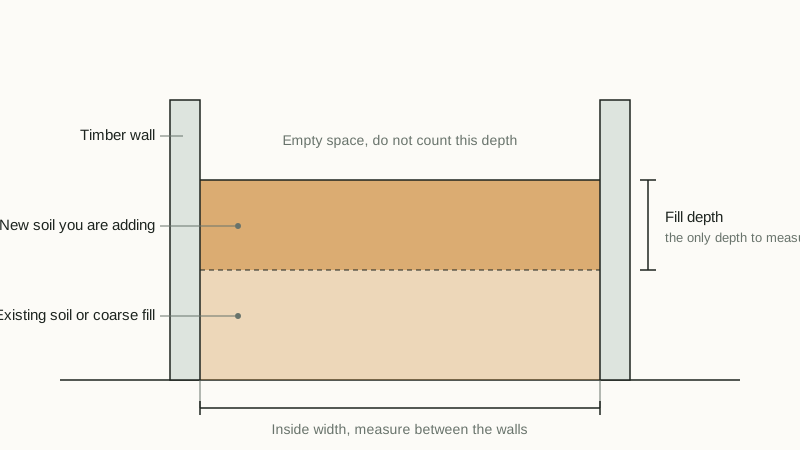
Measure the section the crop will actually occupy. For a bed shared between several crops, run the calculator once for each crop's share of the space.
Expected germination
The default is a planning value for fresh seed in good conditions. Seed packets often print a tested germination rate, and a paper towel test gives you one for older seed. Iowa State University Extension notes that germination varies with soil temperature as well as seed age, so cold spring soil can drag the real rate below the label figure.
How the calculation works
The bed first goes through the same spacing math as the plant spacing calculator:
Plants per row × rows = target plants
Then seed losses get added back in:
Target plants × seeds per spot ÷ germination rate = seeds to sow
For a 10 foot by 4 foot bed of leaf lettuce at 4 inch plant spacing and 12 inch rows, the bed holds about 30 plants per row across 4 rows, 120 plants in total. Direct sowing two seeds per spot at 80 percent germination means sowing about 300 seeds to end with 120 plants.
Worked examples
Carrots in a small bed
A 6 foot by 3 foot carrot bed at 3 inch spacing and 15 inch rows holds about 24 plants per row across 2 rows. Direct sown at 2 seeds per spot with 70 percent germination, that is about 140 seeds. Carrot seed is tiny and cheap, so the real limit is the thinning work, not the seed count.
Tomatoes for the whole season
A 16 foot row of supported tomatoes at 24 inch spacing fits 8 plants. Started indoors at 1 seed per cell with 75 percent germination, sowing 11 seeds gives a comfortable margin for 8 healthy transplants. Sow a few extra cells rather than an extra tray.
Bush beans across the bed
A 10 foot by 4 foot section of bush beans at 4 inch plant spacing and 24 inch rows holds about 30 plants per row across 2 rows. Direct sown at 2 per spot and 75 percent germination, the plan calls for about 160 seeds.
Reading the result against seed packets
Seed packets list contents by weight or by count, and the count per packet varies widely by crop. A lettuce packet might hold 500 seeds while a squash packet holds 30. Compare the calculated count with the packet contents before ordering, and check whether a second packet is worth buying.
Leftover seed keeps for several years when stored cool and dry, though the germination rate falls a little each year. Parsley and onion seed fade fastest; tomato and brassica seed stay viable much longer. If you are using last year's seed, run a quick germination test and enter that measured rate.
Common mistakes
Sowing for the whole bed, thinning for half of it
If you will only keep the strongest 120 lettuce seedlings, sowing 300 seeds is a plan. Sowing 1,000 is a thinning chore. The seed count should track the plant target, not the packet size.
Using fresh-seed rates on old seed
A packet from three seasons ago will not match its label rate. Drop the germination input to your tested rate or a lower estimate, and the sowing count adjusts itself.
Buying by weight for counted crops
For crops sold by weight, remember that seed size varies a lot. A quarter ounce of carrot seed contains far more seeds than a quarter ounce of bean seed. Check the approximate seeds per packet printed by the supplier when it is listed.
When this calculator may not be the right choice
The tool assumes a rectangular bed at standard spacing. Broadcast sowings of cover crops or greens mixes use grams per square foot instead of per-spot counts, and square-foot gardening layouts use a different spacing scheme. For a block layout without distinct rows, the plant spacing calculator's even grid option gives the plant count directly.
Frequently asked questions
What germination rate should I enter? Fresh seed from a good supplier often runs 80 to 95 percent. For old or saved seed, run a paper towel test with the seed germination calculator first and use that number.
Why does it show more seeds than plants? Not every seed germinates, and thickly sown crops get thinned. The seed count builds in the germination shortfall so the final stand lands near your target.
Can I use it for broadcast sowing? Yes, broadcasting is one of the sowing method options. It uses more seed per area than rows or stations because placement is uncontrolled and thinning is heavier.