plant biology
Bolting
Last reviewed 2026-10-04
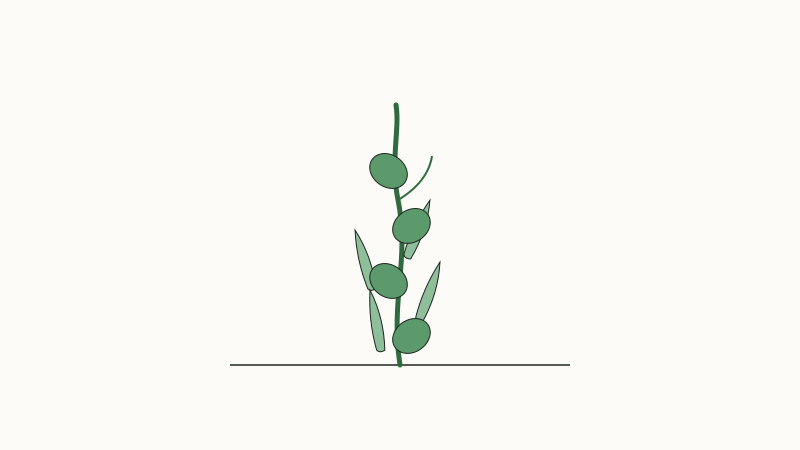
Bolting is the rapid shift from leaf production to flowering and seed production in a vegetable or herb. Crops such as lettuce, spinach, cilantro, radish, and cabbage-family plants may send up a central flower stalk when temperature, day length, plant age, or stress tells them reproduction is more likely than continued leaf growth.
What it means
Bolting is a life-cycle response, not automatically a disease. Once a plant makes a flower stalk, its leaves can become smaller, tougher, or more bitter because the plant is allocating resources toward flowers and seeds. The exact trigger differs by crop and variety.
How it affects the garden
Cool-season crops are especially vulnerable when a quick warm spell follows cool weather. Dry soil, crowding, root disturbance, and delayed harvest can add stress. Planting at the crop's preferred season, keeping soil moisture steady, and choosing bolt-resistant varieties can extend the useful harvest. Shade cloth can reduce heat in some situations, but it cannot reverse a plant that has already committed to flowering.
Succession sowing is often more reliable than trying to keep one planting productive indefinitely. The succession planting tool can help space repeat sowings, while a planting calendar can keep cool-season crops away from the hottest part of the year.
Example
A lettuce plant that suddenly grows a tall stalk in early summer is bolting. Harvesting the leaves before the stalk appears usually gives better texture. After bolting, the flowers can be allowed to mature for seed if the variety is open-pollinated and seed saving is appropriate.
Common confusion
Bolting is not the same as flowering in every crop. A tomato flowering is part of its normal fruiting cycle. Bolting describes a premature or undesirable shift in crops grown mainly for leaves or roots.
Sources
Oregon State University Extension describes the environmental factors that cause vegetables to bolt.