Flower growing guide
Amaranth
Amaranthus spp. · Amaranthaceae
Sun
Full sun
Season
Warm
Maturity
60 to 110 days
Water
Low to moderate
Soil pH
6.0 to 7.5
Spacing
10 to 18 in
By Dandre Noah
Planting amaranth
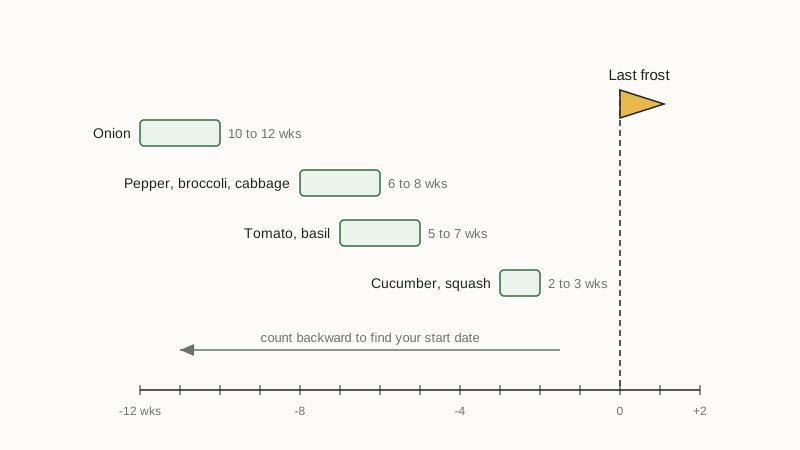
Amaranth is a warm season annual that wants genuinely warm soil. Direct sow after your last frost date once the soil reaches about 65 F; seed planted into cold ground rots or sulks. Sow about 1/4 inch deep, keep the bed moist, and seedlings emerge in 5 to 10 days. In short season climates you can start indoors 4 to 6 weeks before the last frost, but amaranth resents root disturbance, so transplant gently while seedlings are still small. In zones 9 and 10, a midsummer sowing carries bloom into fall. Thin seedlings early to their final spacing; a crowded bed stays stunted all season. Once established, amaranth largely looks after itself and volunteers the following year if seed heads are left standing.
Planting details
- Seed depth: 1/8 to 1/4 inch in soil warmed to about 65 F
- Spacing: 10 to 18 inches depending on species; grain types want the wider end
- Direct sow after last frost; transplants must go out small and undisturbed
- Days to use: leaves in 30 to 40 days, flowers in 60 to 90, ripe grain in 90 to 120
- Self sows aggressively; remove spent seed heads where volunteers are unwanted
Growing requirements
Full sun is non negotiable. Amaranth is a tropical and subtropical genus that runs on heat: it grows fastest when tomatoes and peppers are also happiest, and sulks in cool cloudy stretches. Soil can be average, even poor, as long as it drains; the one thing that wrecks amaranth is excess nitrogen, which pumps up soft, towering growth that flops in wind and rains. Water to establish, then moderately. Established plants ride through dry spells far better than most annuals, which is part of why it has been a subsistence grain in hot dry regions for centuries. Stake the tallest tassel types in exposed beds.
Harvesting and care
Use depends on species. For leaf types like A. tricolor, harvest young leaves and shoot tips repeatedly once plants are about a foot tall; steady picking keeps leaves tender and delays flowering. For flowers, cut tassels at their peak and hang them upside down to dry; they hold color for months and make some of the best dried material in the summer garden. For grain, wait until seed heads dry on the plant and seeds rub out easily, then cut heads into a bin, thresh, and winnow. The tiny seeds shatter easily, so harvest a little early rather than a week late. Deer browse young plants, and pigweed weevils occasionally tunnel stems, but serious pest pressure is rare.
Common mistakes
- Sowing into cold soil before the last frost, which rots seed or stalls seedlings
- Heavy nitrogen feeding, which produces floppy, top heavy plants
- Crowding seedlings; amaranth needs thinning more than most annuals
- Leaving ripe seed heads standing where volunteers are not wanted next year
- Disturbing roots when transplanting, which checks growth for weeks
Companion plants
Amaranth shares warm season beds well with corn, beans, and squash since all want heat, sun, and average fertility. Its dense tassels draw ground beetles and other beneficial predators, and it is sometimes planted near cucumbers and potatoes on the theory it shelters pest predators. Keep it away from beds where last year's pigweed pressure was heavy, since cultivated amaranth and weedy Amaranthus species cross and volunteer similarly. Give it physical room: mature plants shade anything low within a foot or two.
Varieties worth growing
- Love-Lies-Bleeding (A. caudatus): the classic weeping crimson tassels for borders and drying
- Hopi Red Dye (A. cruentus): deep red leaves and seed heads; leaves used as a natural dye
- Illumination (A. tricolor): Joseph's coat; grown for the molten red and yellow upper leaves
- Green Tails (A. caudatus): lime green cascading tassels, a florist favorite
- Pygmy Torch (A. hypochondriacus): compact upright maroon spikes, under 3 feet for small beds
Frequently asked questions
Is amaranth edible?
Yes for most species. Young leaves cook like spinach and the seeds are a protein rich pseudograin cooked like quinoa. Grain types are A. hypochondriacus, A. cruentus, and A. caudatus.
Will amaranth take over my garden?
It can. Each plant sets thousands of seeds and they germinate eagerly the next spring. Deadhead before seed drop, or expect to weed volunteers.
How do I harvest amaranth grain?
Let heads dry on the plant until seeds rub free easily, cut them into a bin, thresh by rubbing, then winnow off the chaff on a breezy day or with a fan.
Is amaranth the same as pigweed?
They are relatives in the same genus. Weedy pigweeds like A. retroflexus can hybridize with cultivated types, which is one reason garden amaranth volunteers look variable.