Native plant growing guide
Amber Jubilee ninebark
Physocarpus opulifolius 'Jefam' AMBER JUBILEE · Rosaceae
Sun
Full sun
Season
Deciduous shrub
Maturity
5 to 6 ft in 3 to 5 years
Water
Low to moderate
Soil pH
5.5 to 7.0
Spacing
4 to 6 ft
By Dandre Noah
Planting amber jubilee ninebark
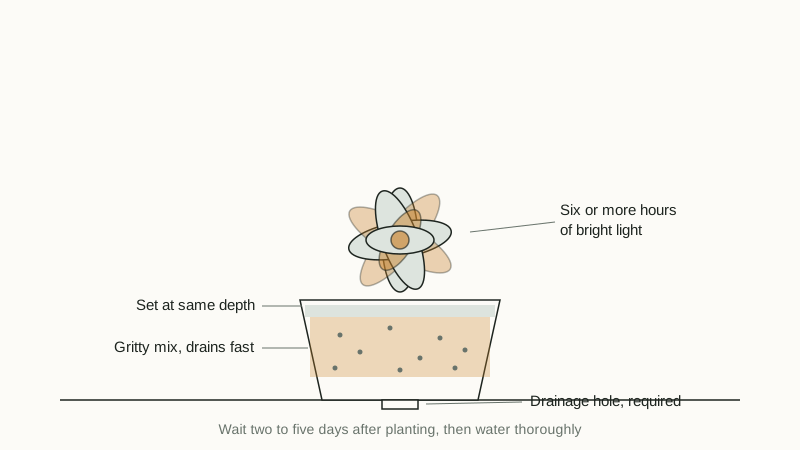
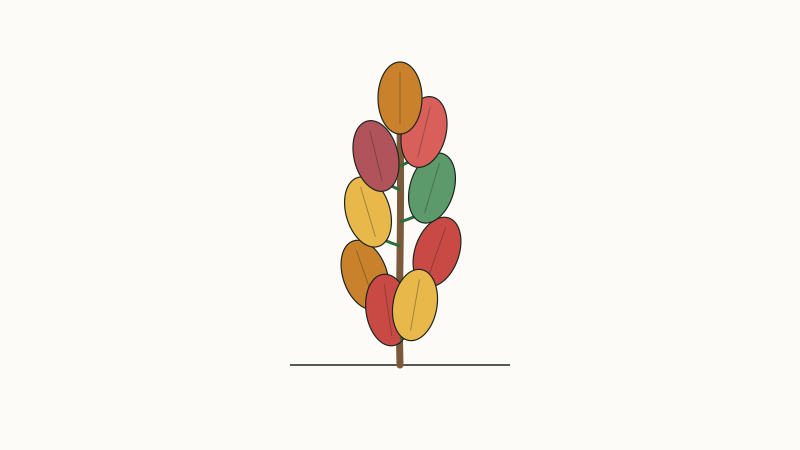
Plant Amber Jubilee in spring or fall while the soil is workable; it establishes fastest in cool conditions and forgives almost any soil that is not a swamp. This is a cultivar of eastern ninebark, a North American native, selected for foliage that opens orange and red, settles to gold and green for summer, and flushes purple red again in fall. Give it full sun for the strongest color; in hot humid climates a little afternoon shade is tolerated but shade always dulls the show. At 5 to 6 feet tall and 4 to 6 feet wide it fits a mixed border, a foundation bed, or a loose hedge spaced about 4 feet apart. It is hardy to zone 2, one of the coldest ratings of any colored foliage shrub, and handles heat to about zone 7.
Planting details
- Spacing: 4 to 6 feet; about 4 feet for a hedge that knits together
- Hardiness: zones 2 to 7
- Blooms on old wood: prune right after flowering, never late in summer
- White to pink tinged flower clusters in late spring feed small pollinators
- Mildew resistant compared with many colored leaf ninebarks
Growing requirements
Full sun produces the best foliage color and the tightest habit; more than half day shade turns the leaves greener and the plant looser. Soil just needs to drain: ninebark tolerates clay, shallow rocky ground, dry spells once established, and slightly acidic to neutral pH. It actually tolerates damp ground better than most shrubs, one reason it works at the edge of rain gardens. Water through the first season or two, then only in real drought. Fertilizer is unnecessary and counterproductive, since rich feeding produces soft growth that flops and mildews.
Harvesting and care
Prune immediately after the late spring bloom, because ninebark sets next year's flower buds on old wood; cutting after mid August removes them. Amber Jubilee suckers less than the species, so it stays tidier, but an occasional rooted sucker can be dug and moved. To rejuvenate an overgrown or tired shrub, cut the whole plant to a few inches in early spring before bud break; it regrows fast but skips that year's flowers. A gentler method removes a third of the oldest stems at the base each year. Exfoliating bark gives winter interest, which is the point of the name ninebark. Watch for powdery mildew in wet, crowded sites, though this cultivar is notably resistant.
Common mistakes
- Pruning in late summer or fall, which removes the following year's flower buds
- Too much shade, which washes the famous foliage to plain green
- Rich soil and heavy feeding, which grows soft, floppy, mildew prone wood
- Planting it where 6 feet of mature width was not planned for
- Shearing into a tight ball, which hides the arching habit and the peeling bark
Companion plants
The orange gold foliage does its best work next to purple and blue companions: dark leafed ninebarks like Diabolo, ornamental grasses, catmint, and salvias all make the color read brighter. In a native planting it sits naturally beside coneflowers and black-eyed Susans, which take the same sun and lean soil, and it anchors a hedgerow with elderberry and viburnum. Avoid planting it tight against thirsty perennials that want irrigation it does not need.
Varieties worth growing
- Dart's Gold: an older gold leaf ninebark; less color range, similar size
- Diabolo ('Monlo'): deep purple foliage, the contrast planting for Amber Jubilee
- Tiny Wine: a dwarf bronze leafed ninebark at 3 to 4 feet for small beds
- Summer Wine: dark purple leaves with pink buds, 5 to 6 feet
Frequently asked questions
Is Amber Jubilee ninebark native?
It is a patented cultivar of Physocarpus opulifolius, a shrub native to eastern and central North America, bred by Jeffries Nurseries in Manitoba.
When should I prune Amber Jubilee ninebark?
Right after the late spring bloom finishes, or cut it to the ground in early spring for a full rejuvenation. Avoid pruning after mid August.
Is Amber Jubilee ninebark deer resistant?
Ninebarks are moderately deer resistant and low on the browse list, but no shrub is deer proof when pressure is high.
Why is my Amber Jubilee turning green?
Usually too much shade. New growth always greens somewhat in summer, but deep shade loses the orange and gold entirely. Move it or limb up whatever is shading it.