Native plant growing guide
American elderberry
Sambucus canadensis · Adoxaceae
Sun
Full sun to part shade
Season
Deciduous shrub
Maturity
Berries in 2 to 3 years
Water
Moderate to moist
Soil pH
5.5 to 6.5
Spacing
6 to 10 ft
By Dandre Noah
Planting american elderberry
Plant elderberry in early spring or fall, setting bare root or container plants at the same depth they grew in the nursery. It is native to eastern North America and happiest in full sun to part shade in moist, rich ground, the kind of spot along a ditch, pond edge, or low corner where fussier shrubs drown. Give it room: a mature plant runs 5 to 12 feet tall and wide and spreads into a colony by root suckers. Spacing of 6 to 10 feet suits a home planting. Hardy to zone 3, it leafs out and flowers on the season's new wood, so even if winter kills stems to the ground in cold zones, the shrub regrows and fruits the same year.
Planting details
- Spacing: 6 to 10 feet; give it room to sucker into a thicket or be prepared to prune
- Hardiness: zones 3 to 9
- Plant two different cultivars for cross pollination and markedly heavier yields
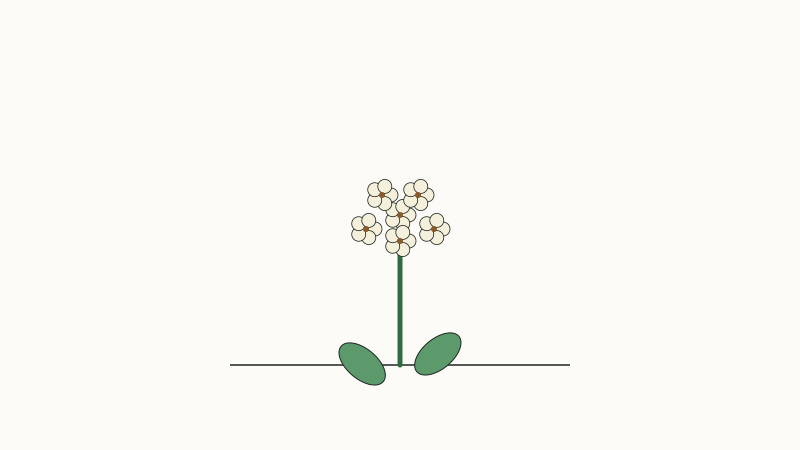
- Flat topped white flower clusters in early summer; berries ripen August to September
- Suckers freely from the roots; mow or dig unwanted shoots
Growing requirements
Moisture is what elderberry asks for most. It tolerates average garden soil but produces the most fruit with consistent water, and it is one of the few edible natives that thrives in damp or periodically flooded ground. Full sun gives the heaviest berry set; part shade still fruits but yields drop. Soil pH in the 5.5 to 6.5 range suits it, though it adapts wider. It tolerates clay, road salt, and brief drought once established. Fruit production benefits noticeably from a second compatible cultivar nearby, since cross pollination sets more and larger berries than self pollination alone.
Harvesting and care
Prune in late winter while dormant. Fruit forms on new wood and on one and two year old canes, so each year remove canes older than three or four years at the base to keep the shrub vigorous, and thin out weak or crossing stems. A neglected elderberry can be cut entirely to the ground in late winter and will regrow into a fruiting shrub in a season or two. Harvest berries when the whole cluster is fully dark purple and slightly soft, cutting the entire cyme rather than picking individual fruits. Strips of stem, leaves, and unripe berries contain cyanogenic compounds, so strip fruit off stems and always cook elderberries; boiling at least 10 minutes makes them safe for syrups, jams, and pies.
Common mistakes
- Eating raw elderberries, which can cause nausea; always cook the fruit
- Planting a single cultivar and expecting a full crop; cross pollination lifts yields
- Never pruning, so the shrub fills with old unproductive canes
- Siting it in a small bed where suckering turns it into a takeover
- Harvesting berries while any in the cluster are still red or green
Companion plants
Elderberry's flat flower clusters feed an enormous range of native bees and small pollinators in early summer, and the berries pull in songbirds by late summer, so it pairs naturally with other wildlife shrubs like ninebark and viburnum along a wet edge. In a managed berry patch keep it away from tidy perennial borders, because the suckers will wander; a mulched bed or a regularly mowed margin contains it. Avoid planting it where the berry drop would stain paths or patios.
Varieties worth growing
- Adams No. 1 and No. 2: classic large berry cultivars from New York, often paired for pollination
- York: large berries on a vigorous bush; pollinates Adams types well
- Bob Gordon: a University of Missouri release with heavy yields and self fruitful habit
- Wyldewood: Missouri release bred for dependable production in the eastern US
- Nova: early ripening with large, sweet berries
Frequently asked questions
Can you eat elderberries raw?
No. Ripe berries, and especially stems, leaves, and unripe fruit, contain cyanogenic compounds that cause nausea. Cooking for at least 10 minutes makes them safe.
How do I stop elderberry from spreading?
Mow or dig the root suckers at the bed edge a few times a year, or plant it where a lawn edge can contain the colony. It does not spread by seed aggressively, only by roots.
When are elderberries ripe?
Usually August into September, when every berry in the cluster is deep purple black and slightly soft. Harvest the whole cluster and strip berries afterward.
Do I need two elderberry plants?
For the biggest harvest, yes. A single plant sets some fruit alone, but two different cultivars cross pollinate and yield substantially more.