Flower growing guide
Baby's breath
Gypsophila paniculata · Caryophyllaceae
Sun
Full sun
Season
Perennial
Maturity
90 to 120 days
Water
Low once established
Soil pH
7.0 to 8.0
Spacing
24 to 36 in
By Dandre Noah
Planting baby's breath
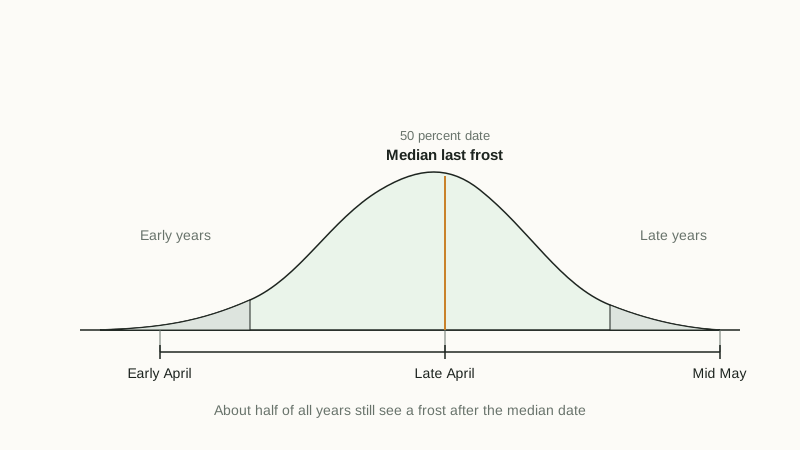
Baby's breath is a hardy perennial in zones 3 to 9 that resents being moved, so choose the spot once and leave it. Start seed indoors 6 to 8 weeks before the last frost and transplant out while seedlings are still small, or direct sow in spring; plants started from seed usually bloom their first year. Set plants in full sun and soil that drains fast, leaning neutral to alkaline, since wet or strongly acidic ground is where it fails. Before planting, check your region: NC State Extension notes it is classed as invasive around the Great Lakes, the Chicago region, the Pacific Northwest, and California, where it is a declared noxious weed. In those areas, annual baby's breath (Gypsophila elegans) or a native substitute is the responsible choice.
Planting details
- Seed depth: about 1/8 to 1/4 inch deep
- Spacing: 24 to 36 inches; mature clumps reach 2 to 3 feet across
- Start indoors 6 to 8 weeks before last frost, or direct sow in spring
- Plant in small groups for the best cut-flower effect
- Never divide established clumps; the fleshy taproot resents disturbance
Growing requirements
Full sun and sharp drainage are non-negotiable. Baby's breath grows naturally in sandy, open ground and prefers neutral to alkaline soil; in acid beds, work in garden lime ahead of planting. Once the taproot is down it tolerates drought, salt, and lean soil well, so it belongs in the driest part of the border rather than the irrigated bed. Overly rich or wet soil produces floppy, sparse bloom instead of the dense white cloud that makes the plant worth growing. Deer leave it alone, and the cloud of small flowers from early summer into fall feeds small butterflies and beneficial insects.
Harvesting and care
Cut stems for bouquets when roughly half the flowers in a cloud are open; they also dry well hung upside down. After the main flush fades, shear the plant back by a third to a half and it throws a second, lighter round of bloom into fall. One caution from NC State Extension: many double-flowered cultivars are grafted onto single-flowered rootstocks, so never cut back below the graft union or the plant may not return. Beyond that it wants almost nothing: no regular feeding, no staking in decent soil, and no deadheading of individual flowers, which would be an endless job anyway.
Common mistakes
- Planting in wet, acidic, or clay soil, which rots the taproot
- Cutting a grafted double cultivar back below the graft union
- Dividing or moving an established clump; it rarely survives
- Overwatering and rich feeding, which grow floppy stems instead of a dense cloud
- Planting it where it is listed as invasive; check your state first
Companion plants
The classic use is the one florists popularized: baby's breath softens bouquets of roses, and in the border it does the same job, veiling the bare stems of roses, peonies, and tall perennials. Its fine, billowy texture is also the standard remedy for the dying foliage of spring bulbs and Oriental poppies, which it hides as it fills out in early summer. Pair it with plants that share its dry, sunny, alkaline preferences, like lavender, yarrow, and sedum, rather than thirsty border perennials. Keep it out of rich vegetable beds, where it has nothing to offer and can seed about.
Varieties worth growing
- Bristol Fairy: double white flowers on a branched, mounding plant
- Perfekta: large double white blooms; the best of the whites for cutting
- Pink Fairy: soft pink double flowers on a compact plant
- Gypsophila elegans: the annual species; sow where the perennial is invasive or unwanted long-term
Frequently asked questions
Does baby's breath come back every year?
Yes, it is a hardy perennial in zones 3 to 9 and long-lived where drainage is good. It emerges late in spring, so mark the spot to avoid digging it up by accident.
Is baby's breath invasive?
In parts of the country, yes. NC State Extension notes it is classed as invasive around the Great Lakes, Chicago, the Pacific Northwest, and California, where it is a declared noxious weed. Elsewhere it is a well-behaved garden perennial.
When should I cut baby's breath for arrangements?
Cut in the morning when about half the tiny flowers in each spray are open. Fresh stems last well in a vase, and they also air-dry easily hung upside down in a dark, dry spot.
Why is my baby's breath flopping?
Usually too much shade, water, or nitrogen. It wants full sun and lean, fast-draining soil; in rich or wet ground the stems stretch and splay instead of standing.
How long does baby's breath bloom?
A single flush lasts several weeks in early to midsummer, and cutting stems for arrangements often triggers a lighter second round. In cool summer climates it can flower from June into September; in hot regions with heavy soil the show usually wraps up by midsummer. Removing the spent sprays tidies the plant and limits self-sowing where it escapes.