Flower growing guide
Bacopa
Chaenostoma cordatum · Scrophulariaceae
Sun
Full sun to part shade
Season
Warm
Maturity
56 to 84 days
Water
Moderate to high
Soil pH
5.5 to 7.0
Spacing
6 to 10 in
By Dandre Noah
Planting bacopa
Ornamental bacopa is a South African trailer that is winter hardy only in zones 9 to 11, so most gardeners grow it as a warm-season annual or buy it in baskets already in bloom. Set nursery plants or rooted cuttings out after the last frost when nights stay mild, spacing them 6 to 10 inches apart where they can spill over a rim or bed edge. Seed works too: sow indoors 8 to 10 weeks before the last frost on the surface of the mix, since the tiny seed needs light to sprout, and expect slow, uneven germination. In hot-summer climates give it afternoon shade; in cool-summer regions it takes full sun happily as long as the roots stay moist.
Planting details
- Spacing: 6 to 10 inches; one plant fills an 8 to 10 inch basket
- Surface-sow seed indoors 8 to 10 weeks before last frost; needs light
- Transplant or set out cuttings after frost into mild nights
- Winter hardy only in zones 9 to 11; annual everywhere else
- Roots at the nodes where trailing stems touch damp soil
- Taxonomy moved from Sutera cordata to Chaenostoma cordatum; tags may show either name
- Flowering stalls in sustained heat; trim back and it reblooms as nights cool
Growing requirements
Bacopa's one demand is consistent moisture. NC State Extension recommends moist, well-drained, slightly acidic to neutral soil and regular watering of containers in hot weather. A basket that dries hard even once responds by dropping its buds and going out of bloom for weeks, which is why bacopa earns a spot in self-watering containers or beside plants on the same drink schedule. Part sun is the comfortable default: morning sun with afternoon shade in the South, full sun in the North and along the coast. Feed lightly with an all-purpose liquid fertilizer during the growing season; constant feeding is less important than constant water.
Harvesting and care
No deadheading is needed, since the small white flowers drop cleanly and bloom continues summer into fall on its own. When midsummer heat stalls flowering or the trails go straggly, cut the stems back by a third and water well; fresh growth and bloom return in a couple of weeks. Watch for aphids, thrips, and whiteflies, the pests NC State Extension flags, especially on sheltered baskets; root rot and powdery mildew follow chronic sogginess, so moist should never mean waterlogged. In zones 9 to 11 it behaves as an evergreen ground cover and roots at the nodes, spreading into a low mat.
Common mistakes
- Letting a hanging basket dry out even once, which ends bloom for weeks
- Planting in full blazing afternoon sun in hot climates without shade
- Burying the seed; it needs light to germinate, so press it onto the surface
- Pairing it with drought-tolerant plants that want the opposite watering
- Feeding heavily while under-watering; moisture matters more than fertilizer
Companion plants
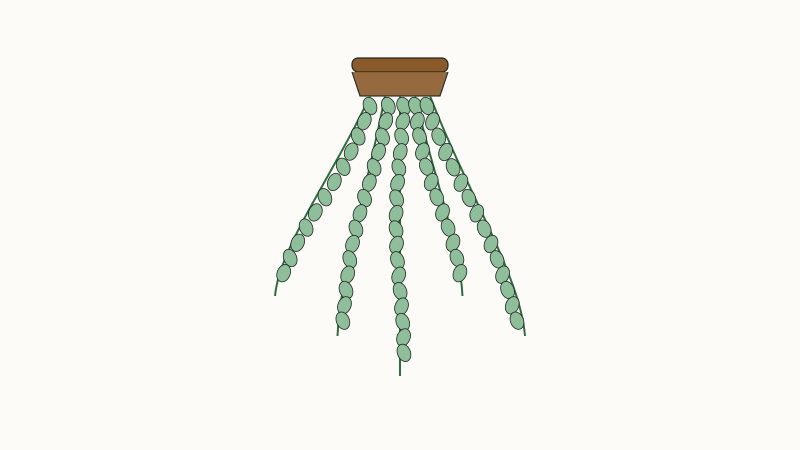
Bacopa is a spiller plant, meant to pour over the edge of a container beneath an upright centerpiece like geraniums, angelonia, or a small dracaena. Pair it with other plants that want steady moisture and the same sun exposure; lobelia, alyssum, and impatiens share its thirst, while petunias and calibrachoa tolerate the same conditions with a little more drought forgiveness. In a mixed basket, avoid pairing it with drought lovers like sedum or portulaca, because one of the two will always be watered wrong.
Varieties worth growing
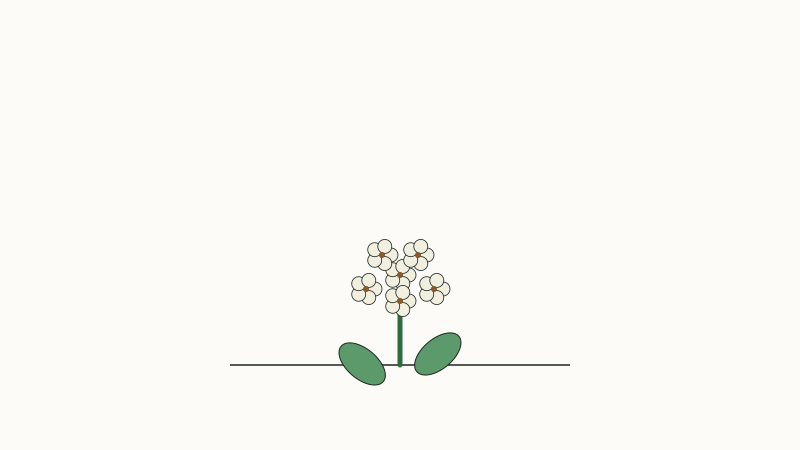
- Snowflake: the most common white trailer; the standard basket bacopa
- Snowstorm: compact habit with larger white flowers
- Calypso Jumbo White: large white flowers on 14 to 16 inch trails
- Blue Showers and Lavender Showers: lilac to pale blue and lavender flowers
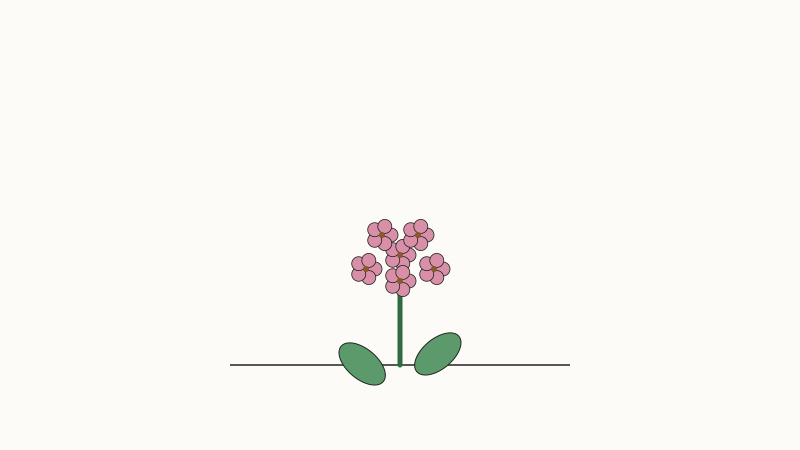
- Pink Shine: large pink blooms for a warmer palette
Frequently asked questions
Does bacopa come back every year?
Only in zones 9 to 11, where it survives winter as an evergreen ground cover. Everywhere else it is an annual and is replanted each spring after frost.
Why did my bacopa stop blooming?
Almost always a dry spell. Bacopa drops buds when the roots dry out and takes a few weeks to resume flowering after watering resumes. Trim it back, keep it consistently moist, and it rebounds.
Is ornamental bacopa the same as Bacopa monnieri?
No. Garden bacopa is Chaenostoma cordatum, formerly Sutera cordata, a flowering trailer. Bacopa monnieri, water hyssop, is an aquatic herb grown for ponds and supplements. The shared common name causes real confusion.
Does bacopa need deadheading?
No. The flowers shed cleanly and the plant keeps blooming on its own. A trim by a third refreshes a tired plant faster than picking spent flowers.
Can bacopa grow in full sun?
It tolerates morning sun in cool summer climates, but hot afternoon sun fades the flowers and scorches the foliage. In the South treat it as a part-shade plant; in the North a half day of sun usually produces the heaviest bloom, provided the mix stays evenly moist and the plant is not baking in reflected heat off pavement.