Flower growing guide
Black Lace elderberry
Sambucus nigra 'Eva' · Viburnaceae
Sun
Full sun to part shade
Season
Deciduous; blooms early summer
Maturity
Fast; reaches 6 to 10 ft
Water
Moderate
Soil pH
5.5 to 7.5
Spacing
6 to 8 ft
By Dandre Noah
Planting black lace elderberry
Black Lace is the cultivar 'Eva', a European elderberry selection bred at East Malling Research Station in England and sold under the Proven Winners brand. Its finely cut, near-black leaves do a convincing Japanese maple impression on a much tougher plant. Plant in spring or fall in full sun for the darkest foliage; Utah State Extension rates it for zones 4 to 7, and Dane County Extension notes it is hardy to about -30 F though hard winters can cause dieback. Give it room: unpruned it runs 6 to 10 feet tall and wide, and it suckers.
Planting details
- Full sun for the darkest leaf color; shade fades it toward bronze green
- Hardy in zones 4 to 7; some dieback after severe winters
- Fast growing, 6 to 10 ft tall and wide; suckers aggressively
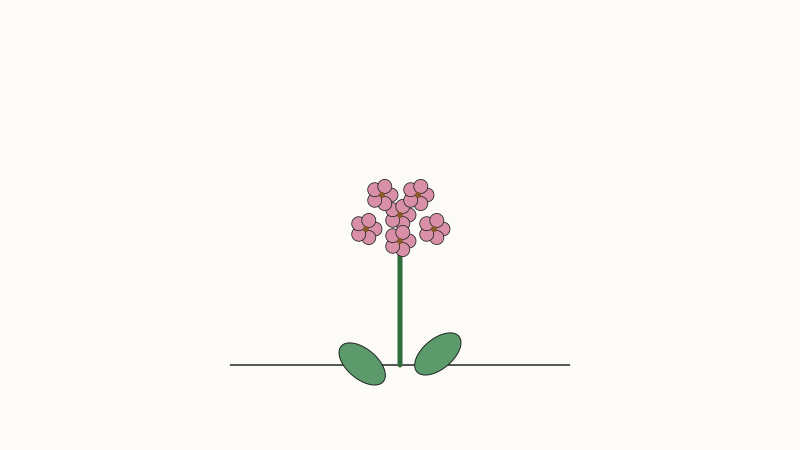
- Pink, lemon-scented flowers on old wood in early summer
- Berries only when a second Sambucus nigra cultivar grows nearby
Growing requirements
Full sun delivers the inky foliage and best flower set; in part shade the leaves turn more bronze purple. It adapts to most soils including clay, prefers them moist but well drained, and is drought tolerant once established. It needs essentially no fertilizer. The bigger variable is pruning: flowers form on old wood, so cutting it back hard in late winter controls size and produces the most intensely colored new growth, at the cost of that year's flowers and fruit.
Harvesting and care
Prune in late winter or early spring: thin out the oldest stems, remove dead wood, and cut the whole shrub back hard if you want a smaller plant with the deepest leaf color. Pull suckers where you do not want a thicket. Handle the harvest honestly: NC State Extension lists the leaves, stems, roots, and seeds as containing cyanide-inducing glycosides, so cook the berries and flowers before eating them and keep the foliage away from pets and livestock. Weak wood snaps in wind and wet snow, another argument for annual thinning.
Common mistakes
- Pruning after flower buds form; blooms are on old wood, so late cuts remove them
- Deep shade, which turns the signature foliage muddy green
- Expecting berries from a lone plant; it needs a second elderberry cultivar
- Ignoring the suckers, which colonize outward fast
- Treating raw berries, leaves, or stems as edible; they must be cooked
Companion plants
The near-black foliage is a foil plant: it makes silver leaved partners like artemisia and dusty miller and chartreuse companions look brighter by contrast. For berries, the companion that matters is another Sambucus nigra cultivar such as Laced Up planted within bee range, since Black Lace fruits best cross-pollinated. Behind it, green conifers and light barked shrubs let the dark leaves read clearly.
Varieties worth growing
- Laced Up: narrow columnar dark elderberry for tight spaces; also a pollinizer
- Black Beauty (Gerda): similar dark cut foliage with deeper pink flowers
- American elderberry: Sambucus canadensis; green leaves but grown for heavy edible fruit
Frequently asked questions
Are Black Lace elderberries edible?
The berries and flowers are, once cooked; they make the usual jams, syrups, and cordials. But NC State Extension warns the leaves, stems, roots, and raw seeds contain cyanide-inducing compounds, so cook what you eat and do not graze on the plant.
Does Black Lace elderberry need a pollinator for berries?
For a decent fruit set, yes. Plant a second Sambucus nigra cultivar within bee flight range; the flowers are self-infertile enough that a lone shrub fruits sparsely or not at all.
How do I keep Black Lace elderberry small?
Cut it back hard in late winter, even to the ground; it regrows to several feet by summer with the darkest foliage of the year. The tradeoff is that year's flowers and fruit, which form on old wood.
Is Black Lace elderberry really like a Japanese maple?
In leaf, yes: the finely cut, near-black foliage reads the same at a distance. It is far tougher though, handling clay, drought once established, and zone 4 winters that would kill most maples grown for the same look.