Flower growing guide
Blackberry lily
Iris domestica · Iridaceae
Sun
Full sun to part shade
Season
Perennial, blooms midsummer
Maturity
Blooms year 2 from seed
Water
Low once established
Soil pH
6.0 to 7.0
Spacing
8 to 12 in
By Dandre Noah
Planting blackberry lily
Plant rhizome divisions in spring or fall, covering the rhizome with about 1 to 2 inches of soil, or sow seed a quarter inch deep. Seed-grown plants bloom in their second year, so divisions are the faster route. It is hardy in zones 5 to 10 and native to Asia, where it grows on rocky slopes, which tells you the one thing it cannot forgive: wet winter ground. NC State Extension is blunt that wet soils are fatal, especially in winter, so pick a drained spot first and plant second.
Planting details
- Rhizome depth: 1 to 2 inches of soil over the top
- Spacing: 8 to 12 inches; NC State suggests tighter spacing for mass plantings
- Grows 2 to 4 feet tall from flattened fans of iris-like leaves
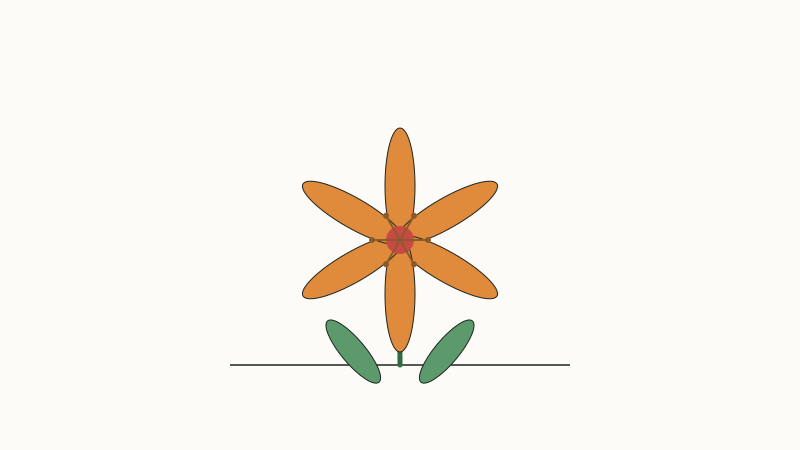
- Flowers open in sprays of 3 to 12 in July and August
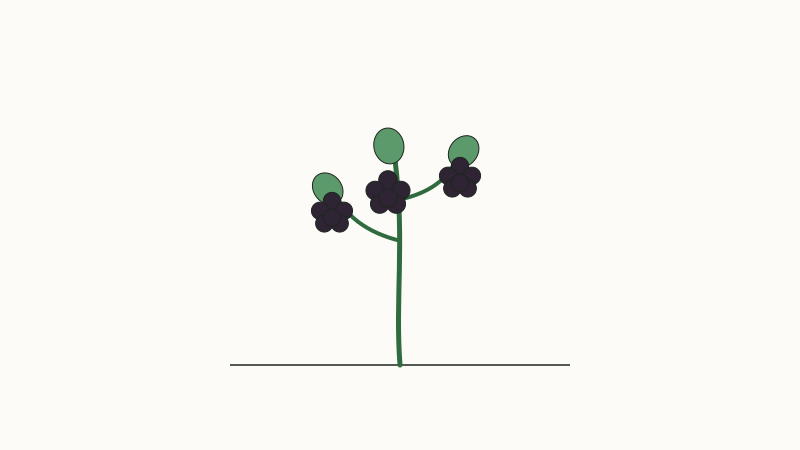
- Pods split in fall to show the blackberry-like seed clusters
- The rhizome has a long history in Asian herbal medicine
Growing requirements
Full sun gives the most flowers, though it takes part shade at the cost of thinner bloom. Average garden soil is enough; it tolerates clay and sand as long as water does not sit around the rhizome in winter. Once established it is genuinely drought tolerant, making it one of the few showy perennials that suits a xeric bed. Skip rich feeding: this is a plant that performs on neglect. In zones 5 and 6, a mulch over winter insures the rhizome where snow cover is unreliable.
Harvesting and care
Cut flower stalks after bloom if you do not want seedlings, or leave the pods for the ornamental seed clusters that give the plant its name; a few pods cut for dried arrangements still leave plenty for the plant to reseed. Clumps are short-lived but renew themselves by self-sowing, so treat volunteers as free plants or weed them. Divide crowded clumps in spring every 3 or 4 years to keep the bloom heavy. Iris borers, slugs, and snails are the only pests NC State flags, and none is usually serious.
Common mistakes
- Planting where water sits in winter, which rots the rhizome
- Overwatering an established clump that wants dry feet
- Rich soil and heavy feeding, which grows floppy fans
- Cutting the stalks in August, before the ornamental seed pods form
- Assuming it needs replanting every year; it self-sows back on its own
- Planting the rhizome several inches deep like a bulb, which delays or prevents flowering
Companion plants
Site it with other drought-tough sun plants: daylilies, coneflowers, and ornamental grasses share its drainage demands and carry the border after its midsummer bloom ends. Butterflies visit the flowers. In a cutting garden the seed pods earn their place in dried arrangements long after the petals drop.
Varieties worth growing
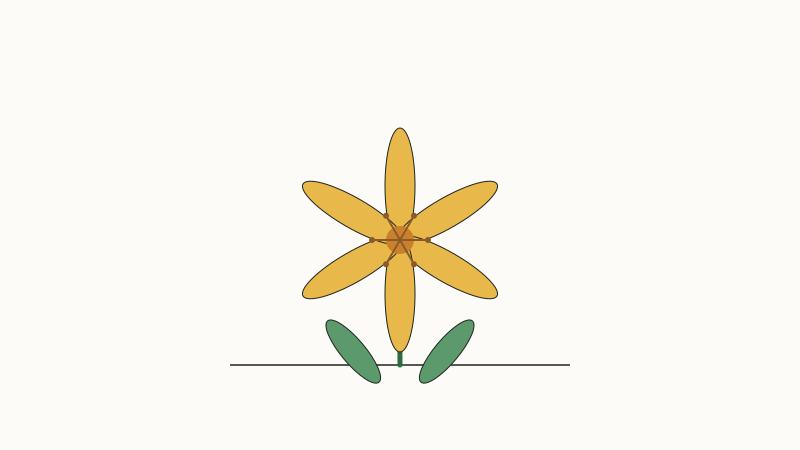
- Hello Yellow: compact plant with clear yellow star-shaped flowers
- Freckle Face: the common seed strain, heavier spotting than the species type
Frequently asked questions
Is blackberry lily actually a lily?
No. It is in the iris family and grows from a rhizome with iris-like fan foliage. Older catalogs list it as Belamcanda chinensis before it was reclassified into Iris.
Why is it called blackberry lily?
The green capsules split open in fall to reveal a cluster of shiny black seeds that looks almost exactly like a ripe blackberry.
Does blackberry lily spread?
It self-sows freely and has naturalized in parts of the eastern United States. Deadhead the pods if you do not want volunteers, or pot the seed and share it.
Is it deer or drought tolerant?
It is drought tolerant once established and rarely bothered by pests, though NC State lists it as a problem plant for cats, dogs, and horses if eaten, so site it away from pets that graze.