Flower growing guide
Blanket flowers
Gaillardia x grandiflora · Asteraceae
Sun
Full sun
Season
Perennial, blooms summer to frost
Maturity
90 to 120 days
Water
Low
Soil pH
6.0 to 8.0
Spacing
12 to 18 in
By Dandre Noah
Planting blanket flowers
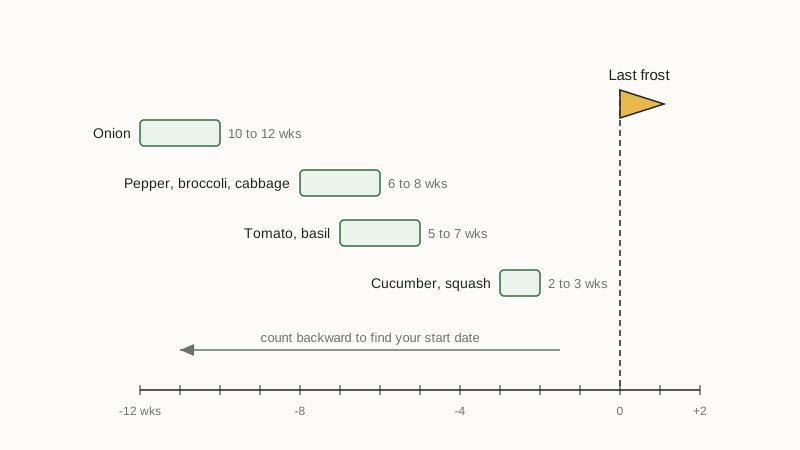
Sow indoors 6 to 8 weeks before the last frost for first-year blooms, or direct sow after frost; seed started early enough usually flowers the same season. Hardy roughly in zones 3 to 10, but treat it as a short-lived perennial: expect two to four good years rather than a permanent clump. The parentage is a cross of two North American natives, Gaillardia aristata and G. pulchella, so it sits happily in wildflower-style plantings. Set plants 12 to 18 inches apart in the sharpest-draining soil you have, and buy named cultivars as plants rather than seed if you want the exact flower color.
Planting details
- Seed depth: about 1/8 to 1/4 inch
- Spacing: 12 to 18 inches
- Named cultivars are propagated by division, since hybrid seed comes variable
- Blooms from early summer to frost if deadheaded
- Deer and rabbit resistant per NC State Extension
- Tolerates salt and coastal exposure; NC State notes it has naturalized on dunes
Growing requirements
Full sun is non-negotiable; shade makes it sprawl and sulk. Soil should be average to lean and fast draining. NC State Extension is direct about the killer: it will not survive winter in poorly drained clay. Once established it handles drought, salt, and humidity, which is why it naturalizes on coastal dunes. Fertilizer is more enemy than friend; rich soil gives floppy stems and fewer flowers. In containers, use a lean, gritty mix and let the pot dry slightly between waterings.
Harvesting and care
Deadhead regularly and it keeps throwing new buds until frost; stop deadheading in late summer if you want seed for goldfinches or next year's volunteers. Shear tired clumps back by half in midsummer for a fresh flush. The hairy gray-green foliage is semi-evergreen in mild climates, so wait for spring to cut back rather than stripping it in fall. Since plants are short-lived, keep a few seedlings or take divisions of named cultivars so the show does not quietly disappear.
Common mistakes
- Heavy clay or wet winter soil, which kills the crown
- Fertilizing, which trades flowers for floppy foliage
- Overhead watering in humid weather, which invites the mildew it is prone to
- Expecting a decade-long perennial; plan for self-sown replacements instead
- Deep shade, where it stretches and stops blooming
Companion plants
Pair it with other lean-soil sun lovers that finish its look without richer demands: coneflowers, black-eyed Susans, sedums, and lavender all take the same hot, dry, well-drained bed. Bees and butterflies work the bicolor daisies steadily, and it belongs near vegetables as a season-long pollinator magnet.
Varieties worth growing
- Goblin: dwarf 12 inch plant, red petals with yellow tips
- Arizona Sun: compact, heavy-blooming red and gold bicolor
- Oranges and Lemons: softer orange rays tipped yellow
- Burgundy: tall, solid deep red flowers for cutting
- Torchlight: red center with yellow tipped rays, upright habit
Frequently asked questions
Do blanket flowers come back every year?
Yes, but they are short-lived perennials. Expect two to four years per plant; let them self-sow or divide clumps to keep the planting going.
Is blanket flower a native plant?
The garden hybrid is a cross of two North American natives, Gaillardia aristata and G. pulchella, so it behaves like a native in wildflower plantings and feeds the same pollinators.
Why did my blanket flowers die over winter?
Almost always wet soil. The crown tolerates deep cold but not sitting in saturated ground, especially clay, through winter.
Can I grow blanket flower in a pot?
Yes, and drainage makes it easier in a container than in clay ground. Use a lean, gritty mix, a pot that drains freely, and skip the fertilizer spikes.
Do deer eat blanket flowers?
Rarely. NC State lists it as deer and rabbit resistant, which makes it a reliable pick for unfenced beds.