What does this garden unit converter calculate?
This converter translates a volume or planning weight for topsoil, compost, or mulch into the other units gardeners use when ordering and shopping. It shows cubic yards for bulk delivery, cubic feet for volume calculations, bags for retail purchases, and an estimated weight in pounds.
The volume conversions are exact. One cubic yard contains 27 cubic feet. Bag results use the cubic-foot volume printed on the bag. Pound results are estimates because moisture, particle size, and compaction can change the density of a material.
How to use the converter
Choose the material
Select topsoil, compost, or mulch. The material selection only affects the estimated pound result. It does not change the relationship between cubic yards, cubic feet, and bags.
Enter the amount and unit
Enter the amount you already know, then choose whether it is measured in cubic yards, cubic feet, bags, or pounds. For bags, also select the volume printed on the package. A 2 cubic-foot bag and a 1 cubic-foot bag are not interchangeable even when their weights look similar.
Compare the result
Use cubic yards when ordering a delivered load, cubic feet when filling a calculator or measuring a container, and bags when making a store list. Treat the estimated pounds as a way to compare quantities, not as a guaranteed product weight.
How the calculation works
The converter first turns the starting amount into cubic feet. Cubic yards are multiplied by 27. Bags are multiplied by the selected bag volume. Pounds are converted using the material's representative planning density.
The formulas are:
Cubic yards × 27 = cubic feet
Number of bags × bag volume = cubic feet
Cubic feet ÷ 27 × estimated pounds per cubic yard = pounds
For example, 1 cubic yard equals 27 cubic feet. With 2 cubic-foot bags, that is 13.5 bags, so you would need 14 full bags to meet or exceed the same volume. The displayed bag result keeps the fractional amount so you can see the actual comparison.
Worked examples
Ordering one yard of topsoil
Enter 1 cubic yard of topsoil and choose a 2 cubic-foot bag. The converter shows 27 cubic feet, 13.5 bags, and an estimated 1,800 pounds. A bulk supplier may quote a different weight because topsoil moisture and composition vary.
Comparing compost bags with a bulk order
Enter 12 bags of compost with a 1.5 cubic-foot bag size. The result is 18 cubic feet, or about 0.67 cubic yards. That gives you a direct comparison with a bulk compost quote.
Estimating mulch weight for handling
Enter 2 cubic yards of mulch. The converter shows 54 cubic feet and an estimated 1,200 pounds using the planning density in this tool. Wet mulch can weigh substantially more, so use the supplier's stated product weight when planning vehicle capacity or delivery handling.
Important assumptions
The volume math assumes the listed bag volume is accurate and that the material is measured by volume. It does not account for settling, spilled material, empty space in a loosely filled bag, or the extra material you may want for topping up after installation.
The pound estimates use representative planning values of 1,800 pounds per cubic yard for topsoil, 1,000 pounds per cubic yard for compost, and 600 pounds per cubic yard for mulch. Actual values can vary widely. Check the supplier's product information when weight matters for transport, lifting, or delivery.
Common mistakes
Treating bags as a universal size
Garden products are sold in different bag volumes. Always read the cubic-foot amount on the package before comparing prices or counts.
Using pounds to measure volume
A pound is a weight, not a fixed volume. Wet compost and dry compost can have different weights for the same space. Use the cubic-foot or cubic-yard result for bed and container calculations.
Forgetting that bulk orders settle
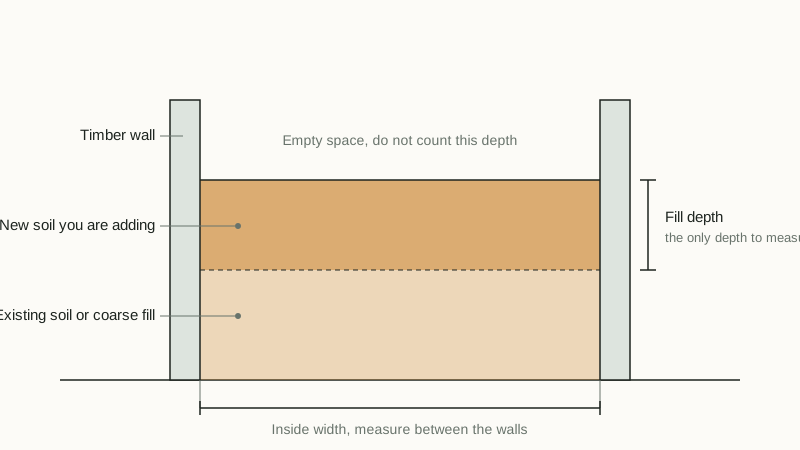
Loose material can settle during loading, transport, watering, and installation. If a bed must finish at an exact height, measure the actual remaining depth and plan for a modest top-up rather than assuming the delivered pile stays perfectly fluffy.
When this converter may not be the right choice
Use the soil, mulch, or compost calculator when you need to start with the length, width, and depth of a garden area. Use a supplier's product specification when you need a certified shipping weight, delivery capacity, or exact density. This tool is for practical garden planning and comparison, not commercial measurement.
Frequently asked questions
How many bags are in a cubic yard?
It depends on bag size. One cubic yard equals 27 cubic feet, so a 1 cubic-foot bag is 27 bags, a 1.5 cubic-foot bag is 18 bags, and a 2 cubic-foot bag is 13.5 bags. Round up when buying whole bags.
Are the pound results exact?
No. They are planning estimates based on representative densities. Moisture, particle size, organic matter, and compaction can change the weight of a cubic yard.
Should I buy extra material?
For a garden bed, first calculate the volume you need and compare that with the supplier's selling unit. A small extra amount can be useful for settling and uneven areas, but the right allowance depends on the material and the finished depth you need.
Sources and references
The standard volume relationship used here is a unit conversion. Gardening material can vary by moisture and composition, so the tool labels pounds as estimates rather than presenting them as a universal density. For compost use and soil amendment context, see University of Minnesota Extension composting in home gardens and University of Minnesota Extension compost application guidance.