Fruit growing guide
Blackberries
Rubus fruticosus · Rosaceae
Sun
Full sun
Season
Cool
Maturity
1 to 2 years
Water
Moderate
Soil pH
5.5 to 6.5
Spacing
3 to 5 ft
By Dandre Noah
Planting blackberries
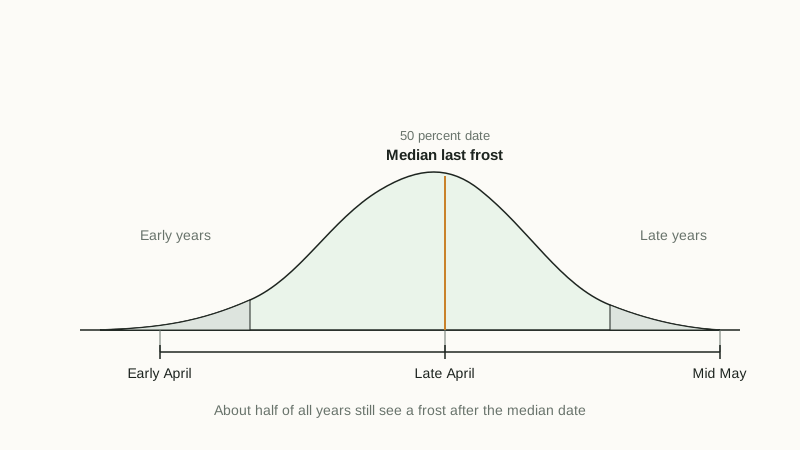
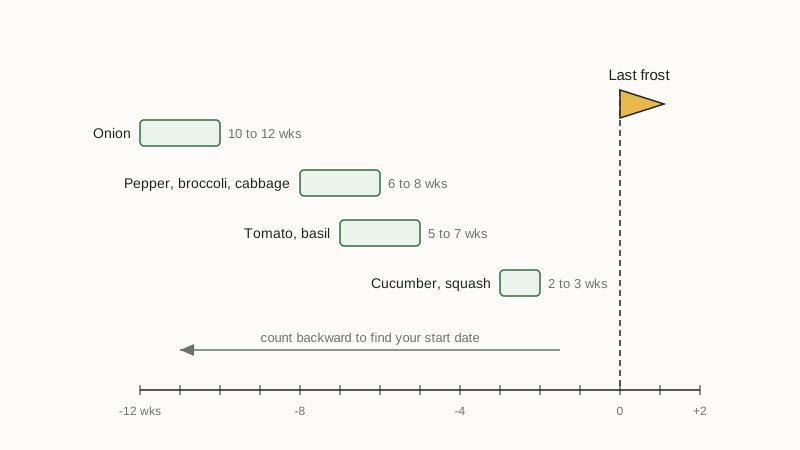
Set bare-root or potted plants out in early spring, about 4 to 6 weeks before the last frost, with the crown an inch or two below the soil line. Clemson Extension recommends planting in full sun on well-drained ground and keeping the row oriented north to south so both sides ripen evenly. NC State advises preparing the site a year ahead and spacing by habit: erect types 3 to 4 feet apart, trailing types 6 to 8 feet. Install the trellis at planting, because even upright varieties crop better tied up.
Planting details
- Spacing: 3 to 4 feet for erect types, 6 to 8 feet for trailing types
- Crown depth: about 2 inches below the soil line
- Floricane types fruit on second-year canes; primocane types fruit on new-cane tips in fall
- University of Maryland Extension recommends keeping the planting at least 300 feet from wild brambles that carry disease
- Remove first-year flowers so the plant puts its energy into roots
Growing requirements
Full sun is not optional here: Clemson notes that shaded plantings harbor more disease and never produce good yields. Soil should be well-drained and slightly acidic, around 6.0 to 6.5, so test it four to six months before planting to leave time for amendments to work. Canes want steady moisture while fruit swells, plus airflow through the row to keep fungal trouble down, which is what the pruning schedule is really for.
Harvesting and care
Understand the cane before you cut: a blackberry cane lives two years. Primocanes grow this season, become floricanes, fruit, then die. On floricane types, cut spent canes to the ground after harvest and thin new primocanes to 3 or 4 strong canes per plant; tip them at 3 to 4 feet so they branch into fruiting laterals. On primocane (everbearing) types, you can mow everything to the ground each winter for a single late-summer crop, which skips the whole which-cane question.
Common mistakes
- Cutting the wrong canes, which removes next summer's fruit on floricane types
- Planting in shade or poor drainage, which invites disease and thin yields
- Letting the row thicken instead of thinning primocanes each winter
- Skipping the trellis, which makes picking and pruning miserable
- Setting plants near wild brambles or old tomato and potato ground that carry disease
Companion plants
Garlic and chives along the row are the traditional companions and may help deter cane borers. Keep blackberries separated from raspberries, which share diseases, and do not plant into soil that recently held tomatoes, peppers, or potatoes, where verticillium lingers. Rows of early, mid, and late varieties stretch the harvest over a month or more.
Varieties worth growing
- Triple Crown: thornless, high-yielding, the most forgiving home-garden pick
- Natchez: thornless erect type with a very early harvest
- Ouachita: thornless erect canes with consistent heavy crops
- Prime-Ark Freedom: primocane-fruiting; mow it down each winter for a simple single crop
- Marionberry: trailing type for the Pacific Northwest; the flavor benchmark
Frequently asked questions
What is the difference between primocane and floricane blackberries?
Floricane types fruit on canes in their second year, then those canes die. Primocane (everbearing) types also fruit on the tips of new canes in late summer, so they can give two crops or one easy mowed-down crop.
How much fruit does one plant give?
NC State Extension puts a mature plant at 10 to 20 pounds of fruit, so four to six plants cover a family's fresh eating and freezing easily.
Why should I remove flowers the first year?
University of Maryland Extension recommends it so the plant spends its first season building roots and crowns instead of fruit. The patience pays off in years two and beyond.
Are blackberries invasive?
Some wild and escaped brambles are aggressive, and Himalayan blackberry is a serious weed on the West Coast. Garden cultivars are well-behaved by comparison, but keep suckers pulled so the row stays where you planted it.