Flower growing guide
Bleeding heart
Lamprocapnos spectabilis · Papaveraceae
Sun
Part to full shade
Season
Perennial, blooms spring
Maturity
2 to 3 ft tall
Water
Moderate
Soil pH
6.5 to 7.5
Spacing
24 to 36 in
By Dandre Noah
Planting bleeding heart
Plant dormant roots or nursery plants in early spring or fall, setting the crown 1 to 2 inches below the surface in rich, humusy soil. Hardy in zones 3 to 9, it wants the classic woodland edge: morning sun, afternoon shade. The single most important planting detail is invisible: mark the spot, because the whole plant dies back to the ground by midsummer and an unmarked clump is easy to dig through. NC State Extension notes it tolerates deep shade and even the juglone soil under black walnuts where little else blooms.
Planting details
- Crown depth: 1 to 2 inches
- Spacing: 2 to 3 feet; a mature clump is as wide as it is tall
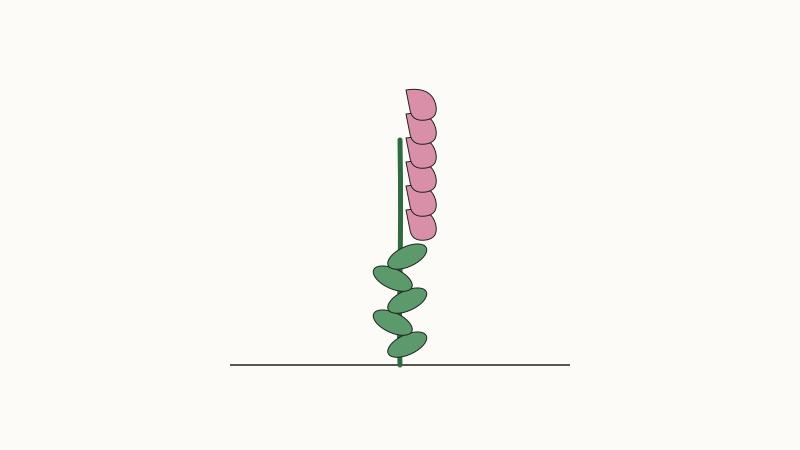
- Blooms April to June, with 7 to 15 heart-shaped flowers per arching stem
- Foliage yellows and drops by midsummer; that is dormancy, not death
- Divide in fall or early spring, or take root cuttings
- For longer bloom, look at fringed bleeding heart (Dicentra eximia), a native cousin that keeps flowering into summer
Growing requirements
Rich, moist, well-drained soil high in organic matter suits it, neutral to slightly alkaline in pH per NC State. It takes heavy shade but flowers best with a few hours of gentle morning sun; full sun works only where summers stay cool and moist. Steady water in spring keeps the foliage alive longer, but the same wet ground in winter rots the roots. Once it goes dormant in summer heat, it needs almost nothing until next spring.
Harvesting and care
Water through dry springs to delay dormancy, then let the foliage yellow and collapse on its own schedule; it is feeding next year's roots until it drops. Fill the gap it leaves by interplanting hostas or ferns that leaf out as it fades. Wear gloves when dividing or cutting stems, since the foliage can irritate skin and all parts are toxic if eaten. Deer and rabbits leave it alone, one of its genuine advantages in open woodland gardens.
Common mistakes
- Digging up or planting over the 'dead' clump in July, when it is dormant
- Cutting foliage while still green, which starves next year's bloom
- Full afternoon sun in hot climates, which burns it into early dormancy
- Soggy winter soil, which rots the crown
- Planting where pets or children browse, since all parts are toxic
Companion plants
The classic pairing is hostas and ferns: they unfurl just as bleeding heart collapses, hiding the hole it leaves. Astilbe shares the same moist shade and picks up the bloom later in summer. Early bulbs like daffodils finish before it leafs out, stacking three seasons of interest in one spot. It also tolerates the juglone in black walnut soil, where most shade perennials refuse to grow.
Varieties worth growing
- Alba: white flowers, slightly more heat tolerant
- Gold Heart: bright gold foliage with pink hearts, lights up shade
- Valentine: deep red flowers on dark stems, holds color better in sun
Frequently asked questions
Why did my bleeding heart die back in July?
It did not die; it went dormant. This species completes its growth in spring and retreats underground for summer. Keep the spot marked and it returns each spring.
Is bleeding heart the same as Dicentra spectabilis?
Yes. The old-fashioned bleeding heart was moved to Lamprocapnos, so both names appear in catalogs. Fringed and western bleeding hearts remain in Dicentra.
Is bleeding heart poisonous?
All parts are toxic if eaten and the foliage can cause skin irritation, so wear gloves when handling and keep it away from pets that graze. On the plus side, deer and rabbits avoid it.
Can I grow it in a container?
Yes, with a large pot, rich mix, and consistent spring moisture. See the indoor page for forcing dormant roots for winter bloom.