Flower growing guide
Blood flower
Asclepias curassavica · Apocynaceae
Sun
Full sun
Season
Warm, perennial zones 8 to 11
Maturity
60 to 90 days
Water
Moderate
Soil pH
5.0 to 7.5
Spacing
12 to 24 in
By Dandre Noah
Planting blood flower
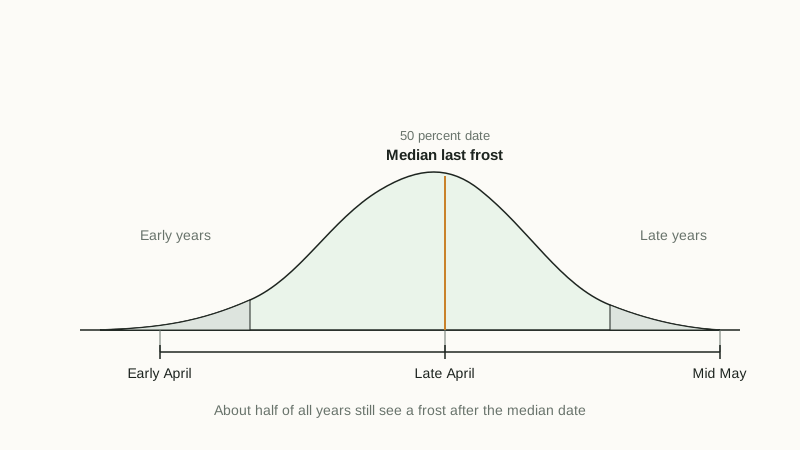
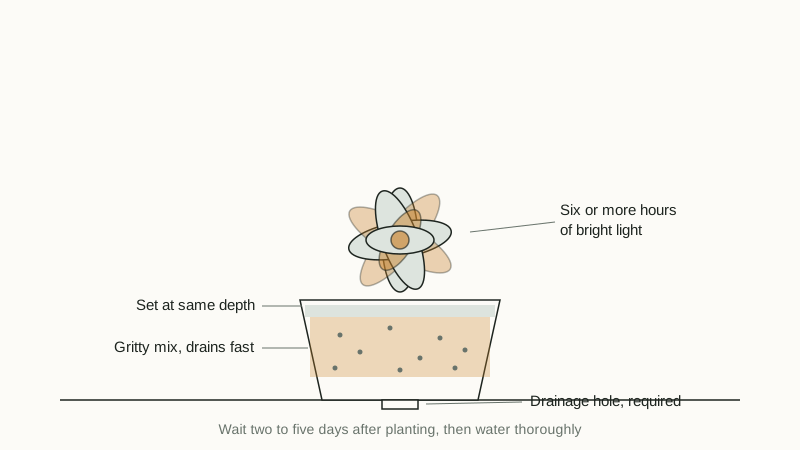
Start seed indoors 6 to 8 weeks before the last frost for summer-long bloom, or direct sow into warm soil after frost; germination is fast and easy, which is part of why this species has spread around the tropics. It is a tender perennial evergreen in zones 9b to 11 and a quick annual everywhere else, reaching about 3 feet. Space plants 1 to 2 feet apart in full sun. One caution on placement: the deep taproot resents transplanting, so put seedlings where they can stay.
Planting details
- Seed depth: about 1/4 inch
- Spacing: 12 to 24 inches
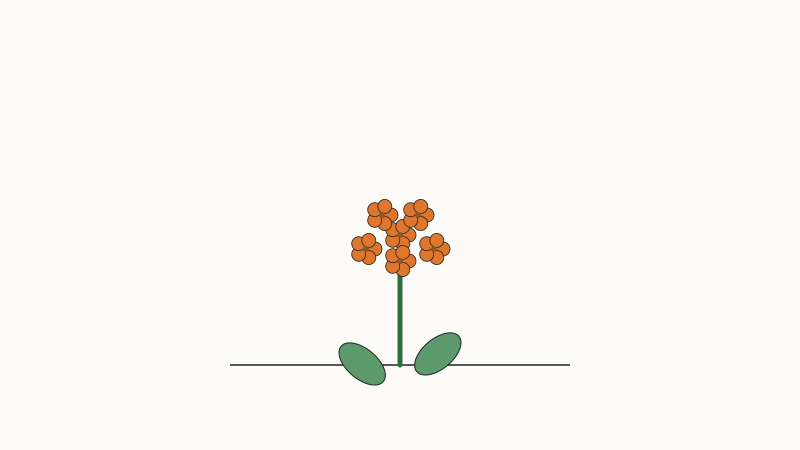
- Blooms from late spring until frost in clusters of orange-red and gold
- Deep taproot makes mature plants hard to move
- All parts contain cardiac glycosides; the milky sap can irritate skin and eyes
- Silky-tufted seeds dry in upright pods that work in fall arrangements
Growing requirements
Full sun and moist, fertile, well-drained soil produce the longest bloom run, though it tolerates both wet spells and dry ones once rooted. It is genuinely unfussy, which is the problem: NC State Extension notes it naturalizes in waste places and roadsides, and in frost-free regions it keeps growing and flowering all winter, which is exactly what monarch conservation is now arguing against.
Harvesting and care
Deadhead to keep flowers coming and to control self-sown seedlings. Aphids colonize it heavily; a hard stream of water knocks them off without insecticide that would also hit monarch caterpillars. In zones 9 to 11 where it does not die back, cut it to the ground in late fall: this is the standard recommendation for breaking the cycle of Ophryocystis elektroscirrha, a protozoan parasite that builds up on year-round foliage and weakens the monarchs that eat it. It also makes a clean container plant where the annual routine of pot, summer, frost does that cutting-back work for you.
Common mistakes
- Letting it grow through winter in frost-free climates, which lets the OE parasite accumulate
- Spraying aphids with insecticide on a plant whose whole job is feeding caterpillars
- Transplanting established plants; the taproot sulks or dies
- Choosing it over native milkweeds where natives like butterfly weed grow instead
- Ignoring the sap when pruning; wear gloves and keep it from eyes
Companion plants
If monarchs are the goal, the honest companion list is its native cousins: butterfly weed (Asclepias tuberosa), swamp milkweed, and common milkweed carry caterpillars without the migration and parasite concerns NC State describes. Where blood flower earns a spot as an ornamental, pair it with zinnias and lantana, which share its appetite for heat and keep the nectar flowing beside it.
Varieties worth growing
- Silky Deep Red: dark red flowers, the most common seed strain
- Silky Gold: yellow-gold form
- Red Butterfly: deep red selection bred for bedding
- Apollo Orange: bright orange, uniform habit
Frequently asked questions
Is tropical milkweed bad for monarchs?
It depends on where you garden. Where frost kills it back each year, it feeds caterpillars like any milkweed. Where it stays evergreen, NC State notes it can hold monarchs past migration and build up the OE parasite. Native milkweeds avoid both problems.
Will blood flower survive winter?
It stays evergreen in zones 9b to 11 and is killed by frost elsewhere. In warm zones, cut it to the ground in late fall anyway to reset the foliage for next season's monarchs.
Is it poisonous?
Yes, mildly to moderately. All parts contain cardiac glycosides that cause stomach upset if eaten, and the milky sap can irritate skin and eyes. It is listed as a problem plant for cats, dogs, and horses.
Why are there always aphids on it?
Oleander aphids specialize on milkweeds and tolerate the toxins. A strong stream of water removes them; skip insecticides, which kill the caterpillars you planted it for.