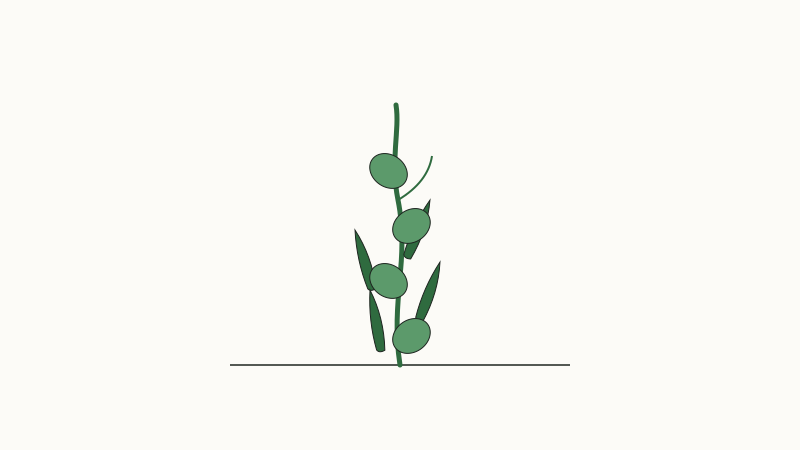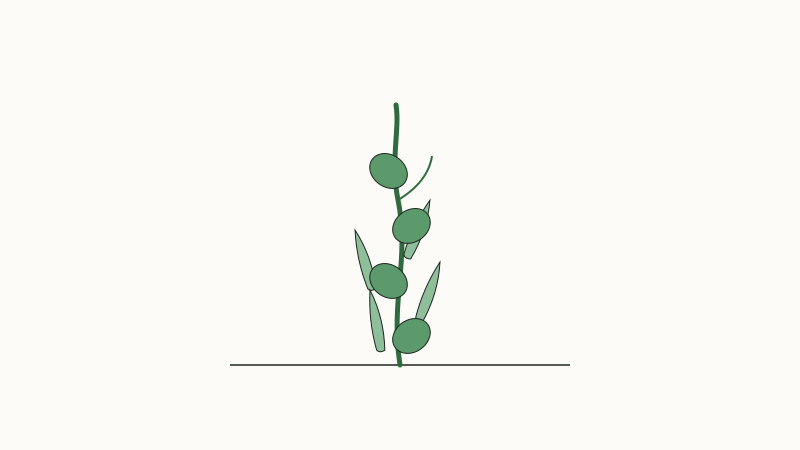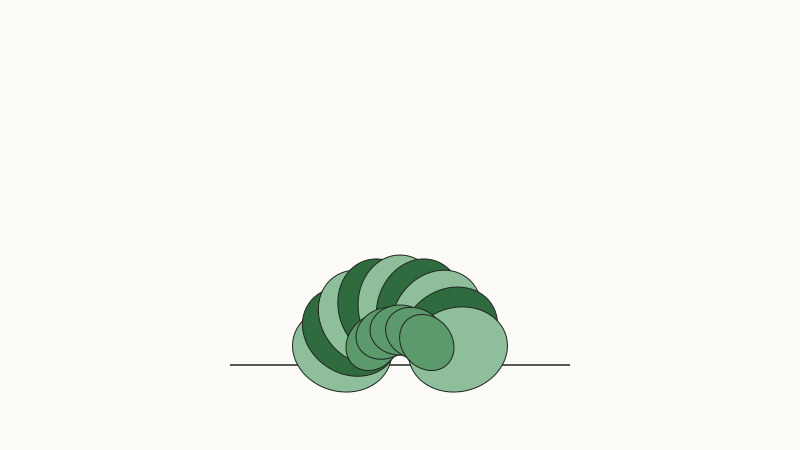
plant labels
Biennial
Last reviewed 2026-10-04
A biennial is a plant that normally takes two growing seasons to complete its life cycle. It often grows leaves and stores energy during the first season, survives a dormant period, then flowers, produces seed, and dies during the second season. Weather and variety can change the timing.
What it means
Biennial describes a life cycle, not a guarantee that the plant will flower exactly twelve months after sowing. Some biennials flower early after unusual cold or other stress. Others may take longer in difficult conditions. Parsley, carrots, and many members of the cabbage family can be biennial.
How it affects the garden
A gardener growing a biennial for leaves or roots may harvest before the flower stalk appears. A gardener saving seed must leave the plant through another season and protect it from winter conditions. Planting time matters because a plant that grows too large before winter may behave differently from a smaller one.
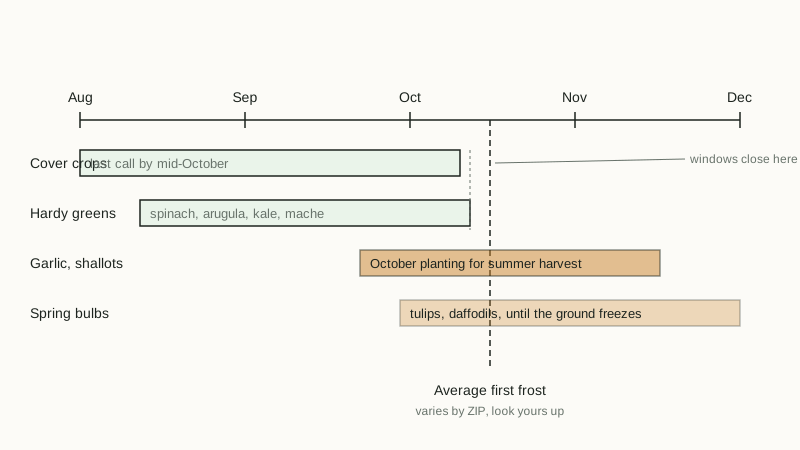
Use the planting calendar to plan a season, but treat the life cycle as crop and climate dependent. A hardiness zone does not by itself guarantee winter survival.
Example
A carrot usually produces a storage root in its first season. If left in the ground, it can survive winter in a suitable climate, flower the next season, and produce seed.
Common confusion
Biennial is not the same as perennial. A perennial can live and flower over multiple years, while a biennial normally completes its cycle after the second season.
Sources
University of Minnesota Extension explains annual, biennial, and perennial life cycles.