pests and diseases
Blight
Last reviewed 2026-10-04
Blight is a general term for rapid browning, wilting, or death of plant tissue. Several unrelated diseases and environmental problems may be called blight, so the word alone does not identify one pathogen, treatment, or cause. Crop, symptom pattern, timing, and weather are needed for diagnosis.
What it means
Early blight, late blight, fire blight, and other named problems affect different hosts and behave differently. Some are caused by fungi or fungus-like organisms, while others involve bacteria. A plant can also look blighted after frost, heat, root damage, or chemical injury.
How it affects the garden
Remove or isolate affected material when appropriate, avoid moving wet plant debris, improve airflow, and choose resistant varieties where reliable information exists. Do not compost diseased material unless the composting process and pathogen guidance support it. Check local extension recommendations before using a treatment.
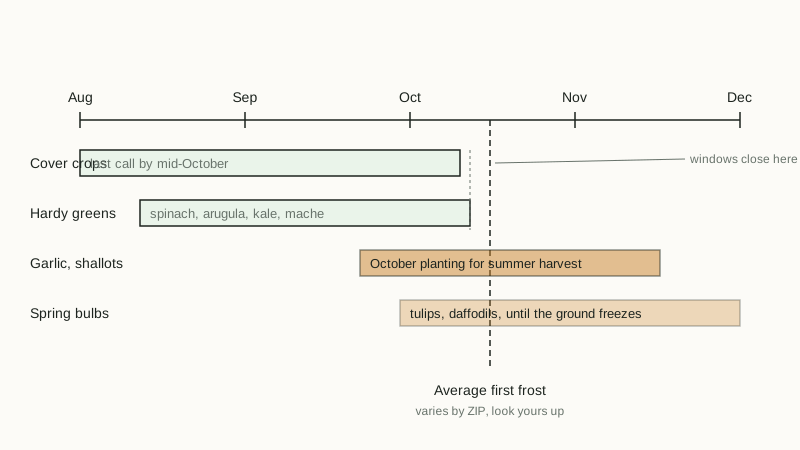
The planting calendar can help avoid stressful timing, but it cannot diagnose blight. IPM starts with a confirmed problem.
Example
Tomato leaves develop brown spots that expand after wet weather. Early blight is one possibility, but other diseases and nutrient or weather injury can look similar.
Common confusion
Blight is not one disease. Calling every brown leaf blight can lead to the wrong response.
Sources
University of Minnesota Extension explains early blight symptoms and management in tomatoes and potatoes.