Flower growing guide
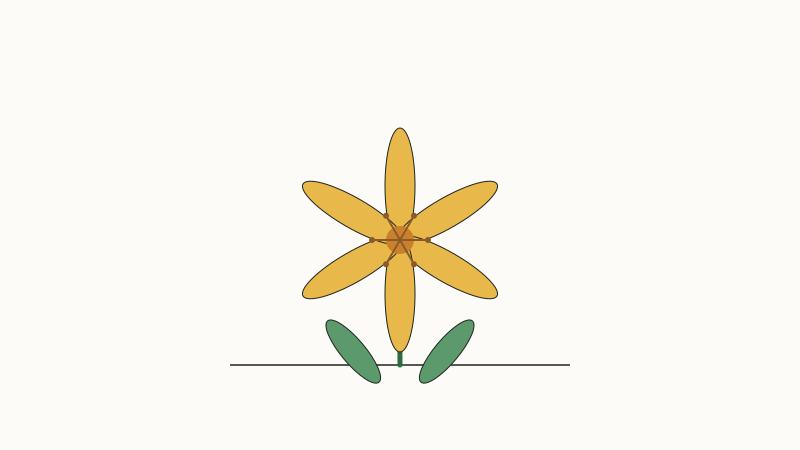
African iris
Dietes iridioides · Iridaceae
Sun
Full sun to part shade
Season
Evergreen perennial
Maturity
2 years from seed
Water
Moderate
Soil pH
6.0 to 7.5
Spacing
12 to 18 in
By Dandre Noah
Planting african iris
Plant African iris divisions in spring or early fall, setting the woody rhizomes about an inch deep and 12 to 18 inches apart. It is a true warm-climate evergreen, hardy in the ground in zones 9 to 11 and borderline in zone 8b with mulch, per University of Florida guidance. Foliage browns when temperatures drop into the mid 20s F, but the rhizomes usually resprout. North of zone 8, treat it as a container plant that summers outside and winters indoors, or dig the rhizomes before frost and store them in peat around 40 to 50 F. It transplants easily whenever the ground is workable within its hardiness range.
Planting details
- Rhizome depth: about 1 inch
- Spacing: 12 to 18 inches
- Each flower lasts a day, but each stalk buds repeatedly
- Blooms in bursts roughly every 2 weeks, spring to fall
- Self-sows freely; deadhead to control volunteers
Growing requirements
Bloom is heaviest in full sun, but the plant appreciates light afternoon shade in hot-summer areas and tolerates part shade overall. It wants moist, moderately fertile, well-drained ground, yet handles drought and thin soil once established, which is why it fills so many low-maintenance southern plantings. It even tolerates brief flooding, though it resents salt spray, so keep it off the exposed beachfront. Nematodes are its main pest in sandy soils, and scale occasionally coats the fans. Feeding once or twice a year is all it asks.
Harvesting and care
Deadhead individual flowers as they fade and cut spent stalks at the base once their bud queue is finished. If you do not want it seeding itself around, snip the papery capsules before they split. After a cold snap browns the fans, wait for spring growth before trimming so you can see what survived. Divide clumps every 3 to 5 years in spring when the centers thin out; the divisions re-establish fast in warm soil.
Common mistakes
- Burying rhizomes deep like a true iris; an inch deep is enough
- Expecting continuous bloom; it flowers in waves with rests between
- Planting in full shade, which nearly stops flowering
- Letting seed capsules drop everywhere in warm climates where it self-sows
- Cutting back cold-damaged fans in winter instead of waiting for spring growth
- Siting it within reach of strong salt spray
Companion plants
Its fans read like an ornamental grass and sit well beside agapanthus and daylily, which share the same sun, water, and warm-zone range. Massed as a groundcover along walks or under open trees it handles the job with almost no inputs, and a patch of lantana nearby covers the gaps between its bloom flushes.
Varieties worth growing
- D. grandiflora: larger flowers on coarser, taller fans
- Johnsonii: taller selection with bigger leaves and flowers
- Lemon Drop: cream flowers marked with bright yellow
- Orange Drops: white petals with a distinct orange-yellow blotch
- D. bicolor: smaller species with pale yellow flowers
Frequently asked questions
Is African iris a real iris?
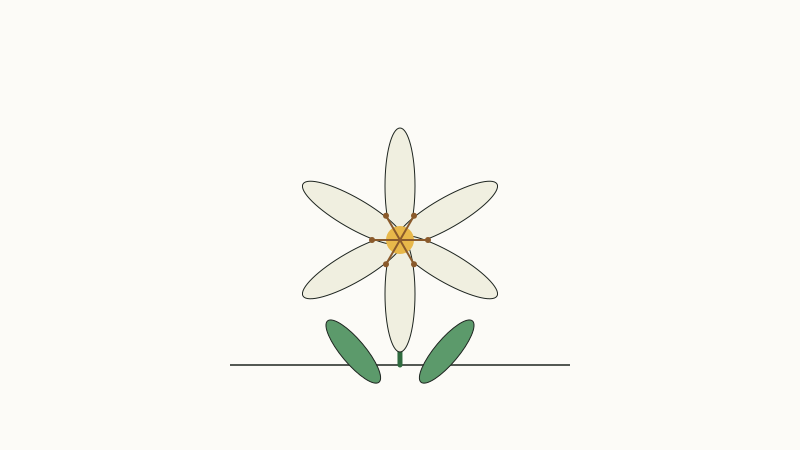
It is in the iris family but grows from a woody rhizome rather than a bulb, and the flattened flowers last a single day each. It is sometimes still sold as Moraea, an older genus name.
How do I overwinter African iris in a cold climate?
Grow it in a container and bring it inside before frost, or dig the rhizomes and store them in peat at about 40 to 50 F until spring.
Is African iris invasive?
It self-sows freely where it is hardy, so deadhead if you do not want volunteers. The clumps themselves spread slowly by rhizome and are easy to divide.
Why do the flowers die after one day?
That is simply how the plant works. Each branched stalk carries a long queue of buds and keeps firing for weeks, roughly every two weeks between rests.