Native plant growing guide
American sweetgum
Liquidambar styraciflua 'Rotundiloba' · Altingiaceae
Sun
Full sun to part shade
Season
Deciduous tree
Maturity
60 to 75 ft at maturity
Water
Moderate
Soil pH
4.5 to 6.5
Spacing
30 to 40 ft
By Dandre Noah
Planting american sweetgum
Rotundiloba is the fruitless sweetgum, a cultivar found growing wild in North Carolina around 1930 and introduced to the trade by J. C. Raulston in the 1990s. It delivers the species' glossy star shaped leaves and brilliant fall color without the spiny gumballs that bury lawns every winter, and its leaf lobes are rounded rather than pointed, which is how you identify it. Plant in spring or fall in full sun to part shade; hardy zones 6 to 9, slightly less cold hardy than the species. This is a large tree, 60 to 75 feet tall and 20 to 40 feet wide at maturity, so site it accordingly: an open lawn or streetscape with room above and below. Most important, keep it at least 15 to 20 feet from sidewalks, driveways, and foundations, because sweetgum roots run shallow and push hard at hardscape.
Planting details
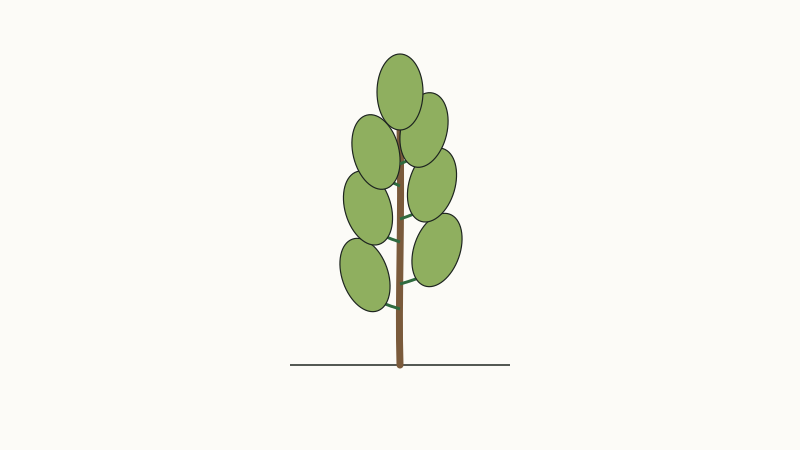
- Mature size: 60 to 75 feet tall, 20 to 40 feet wide, pyramidal when young
- Hardiness: zones 6 to 9; slightly less hardy than the species
- Nearly fruitless: rarely produces gumballs, though occasional fruit can appear
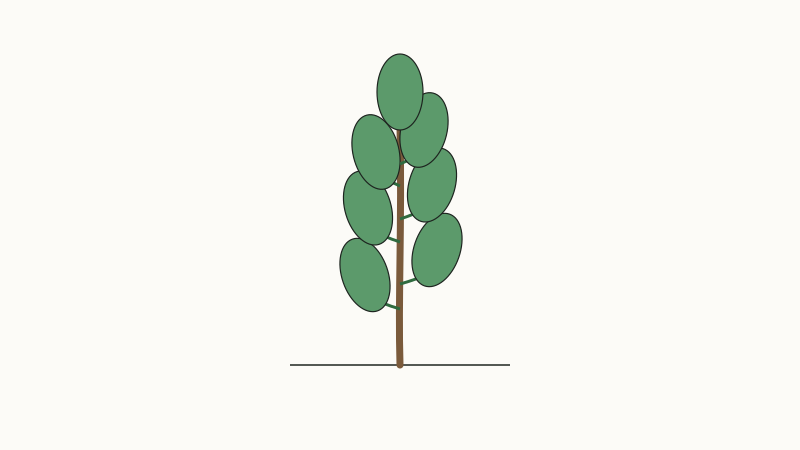
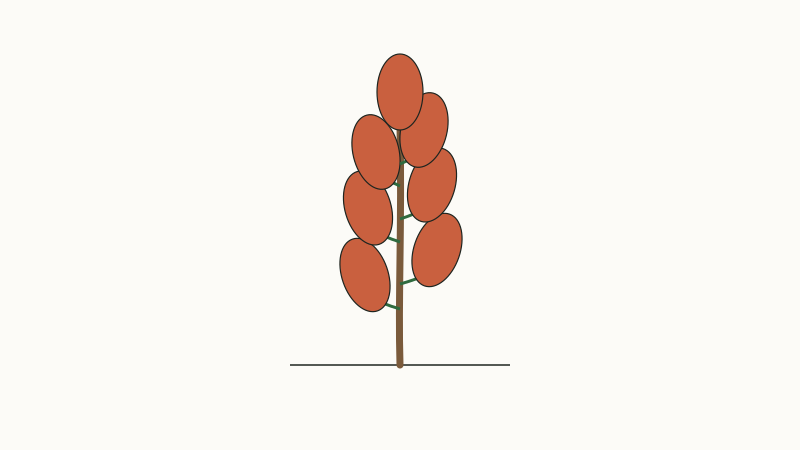
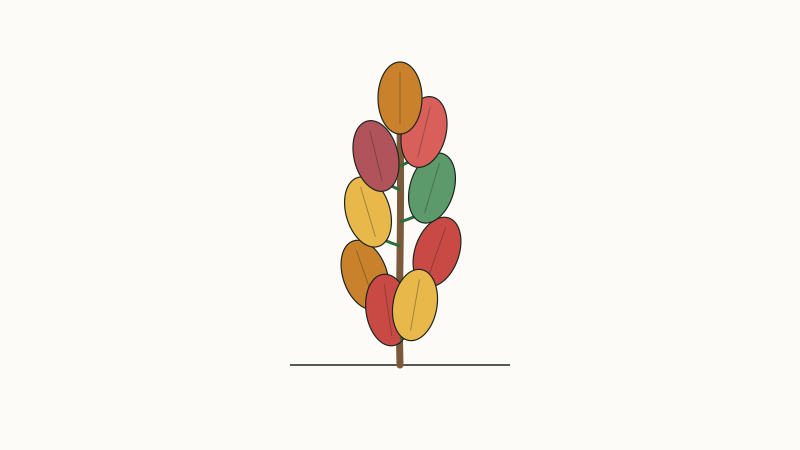
- Fall color ranges yellow to burgundy and varies year to year
- Aggressive shallow roots: site well away from pavement and structures
Growing requirements
Full sun gives the best fall color, though the tree tolerates a few hours of shade. Sweetgum wants acidic, moist but well drained soil; it tolerates clay, sand, and occasional wet feet, and once established it is moderately drought and salt tolerant, which is part of why it is used as a street tree. The clear limit is alkalinity: on high pH soils the leaves chlorose and the tree declines, so anywhere lime soils dominate, sweetgum is a poor choice. It grows fast, often 2 feet a year when young in good ground. Young trees benefit from a wide mulch ring kept off the trunk and from supplemental water in dry spells.
Harvesting and care
Maintenance is light but structural. Young Rotundiloba trees often go through a gawky phase with weak branching, so invest in early formative pruning in late winter to build a strong central leader and well spaced scaffold limbs; skip it and the narrow upright crown can develop crossing, bark included unions that split later. Water during drought for the first several years. Older trees need little beyond periodic removal of deadwood. Expect the surface roots over time: mowing over them is hard on both mower and tree, which is another argument for a wide mulch ring or siting the tree in a bed rather than lawn.
Common mistakes
- Planting near sidewalks, driveways, or septic lines, where shallow roots lift pavement
- Alkaline soil, which triggers chlorosis and slow decline
- Assuming fruitless means zero fruit; occasional gumballs do form on some trees
- Treating it like a small tree; 60 plus feet of canopy needs real room
- Skipping formative pruning, which leaves weak, included branch unions
Companion plants
As a fast canopy tree, sweetgum works in large native plantings and reforestation style buffers alongside oaks and tulip poplar, where its fall color complements their yellows and russets. Under it, shade tolerant natives like American hornbeam, ferns, and woodland edge shrubs establish in the light shade it casts. Its shallow roots do not leave much room for lawn anyway, so underplanting with a mulched woodland bed is both practical and prettier. Keep it out of mixed ornamental borders, where its roots rob water and its eventual size swallows the design.
Frequently asked questions
Does Rotundiloba sweetgum really make no gumballs?
Almost. It is considered fruitless and rarely sets the spiny seed balls, but occasional fruit has been reported, so it is nearly fruitless rather than guaranteed sterile.
How is Rotundiloba different from regular sweetgum?
Rounded leaf lobes instead of pointed, almost no fruit, a narrower more upright crown, and slightly less cold hardiness than seedling sweetgum.
Is sweetgum a good shade tree?
In the right site, yes: fast growth, dense summer shade, and excellent fall color. It is a poor choice near pavement, small yards, or alkaline soil.
How fast does sweetgum grow?
Among the faster native hardwoods, commonly 1 to 2 feet a year when young in moist, acidic soil with full sun.