Herb growing guide
Angelica
Angelica archangelica · Apiaceae
Sun
Part shade
Season
Cool
Maturity
Biennial; stalk and seed in year two
Water
Moderate to moist
Soil pH
5.5 to 7.0
Spacing
18 to 30 in
By Dandre Noah
Planting angelica
Angelica is a biennial from cool northern Europe, and the seed itself is the first challenge: it loses viability within months, so buy fresh seed each year or sow your own immediately. Sow in late summer or fall right on the surface or barely covered, since the seed needs light and a period of cold moist stratification to germinate in spring; refrigerating sown pots for several weeks works too. Choose a spot in part shade with rich, deep, consistently moist soil; in cool maritime climates it takes more sun, in hot ones it needs afternoon protection. Space plants 18 to 30 inches apart, because year two's flower stalk reaches 4 to 6 feet. Hardy in roughly zones 4 to 7, it is a poor bet where summers are both hot and dry.
Planting details
- Seed depth: surface sow or barely 1/8 inch; needs light and cold stratification
- Always use fresh seed; viability drops steeply after a few months
- Spacing: 18 to 30 inches to allow for the second year's 4 to 6 foot stalk
- Biennial: leafy rosette year one, flowering stalk and seed year two, then dies
- Self sows if seed heads stand, which is how a patch perpetuates itself
Growing requirements
Cool, moist, and rich sums it up. Angelica wants fertile, humusy soil that stays evenly moist without waterlogging, at pH 5.5 to 7.0, and it yellows and stalls in dry, thin, or sandy ground. Part shade is safest everywhere south of its northern comfort zone; in genuinely cool climates it tolerates more sun if the soil stays wet. Mulch with compost or leaf mold to hold moisture and feed the soil. Wind can flatten the hollow flowering stalk in year two, so a sheltered position helps in exposed gardens. It is a poor candidate for containers, both for its eventual size and its deep taproot.
Harvesting and care
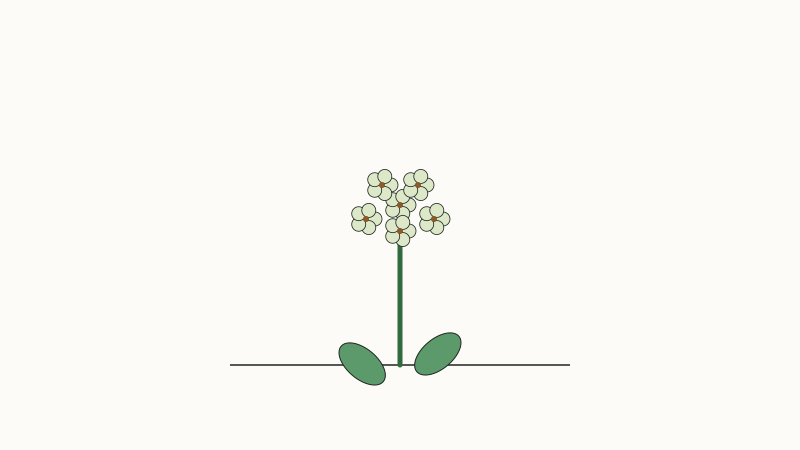
Year one produces a clump of glossy divided leaves; year two shoots a thick hollow stem skyward into broad greenish white umbels that pollinators mob. Harvest young stems and leaf stalks in spring of the second year for candying and cooking, cutting before the main stalk toughens. Once the plant flowers and sets seed it dies, so gardeners who want a perennial stand let some seed heads mature and self sow while removing the parent. The umbels are exceptional insectary flowers, feeding hoverflies, bees, and beneficial wasps. Handle the foliage with some care, since the sap can cause light sensitivity reactions on skin in susceptible people.
Common mistakes
- Sowing old seed, which fails to germinate; angelica seed is short lived
- Planting in hot, dry, sunny ground, where it burns out by midsummer
- Expecting harvest in year one; the useful stalk is a second year event
- Removing all seed heads, which ends the patch; let a few self sow
- Confusing it with poison hemlock or hogweed; know the lookalikes before eating any part
Companion plants
Angelica's huge summer umbels feed beneficial insects, which makes it a useful companion at the back of a moist herb bed or at the edge of a damp border beside mint and lovage, which share its appetite for moisture and shade. The old tradition of planting it near rhubarb works because both want the same cool, moist, rich conditions. Keep it away from dry Mediterranean herbs like thyme and rosemary, which want the opposite regime. One serious caution: angelica resembles its toxic relatives, poison hemlock and giant hogweed, so never plant it where wild lookalikes grow and learn the difference before harvesting stems for the kitchen.
Frequently asked questions
Is angelica a perennial?
It is a biennial: leaves year one, flowers and seed year two, then the plant dies. Because it self sows, an established patch behaves like a perennial stand.
What is angelica used for?
Young stems are candied for baking, and leaves and seeds flavor liqueurs like Chartreuse and gin. It is also grown for its showy umbels that feed pollinators.
Why will my angelica not germinate?
Two reasons cover most failures: the seed was too old, since viability drops within months, or it never got the cold moist stratification it needs.
Is angelica toxic?
The plant itself is used culinarily, but its sap can cause skin photosensitivity in some people, and it resembles lethally toxic relatives like poison hemlock, so identification matters.