Flower growing guide
Aubrieta
Aubrieta deltoidea · Brassicaceae
Sun
Full sun to part shade
Season
Evergreen perennial
Maturity
Blooms in year 2 from seed
Water
Low to moderate
Soil pH
6.5 to 7.5
Spacing
12 to 24 in
By Dandre Noah
Planting aubrieta
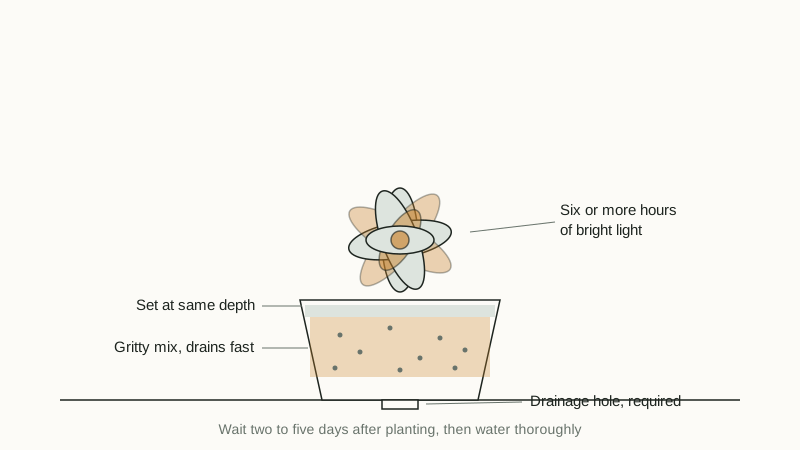
Plant aubrieta in spring or early fall in the sharpest-draining spot you have, because this alpine mat former rots in wet ground faster than it freezes. Hardy in zones 4 to 8, it blooms best in full sun, though a little afternoon shade helps it through hot summers in zones 7 and 8. It prefers neutral to alkaline, even lime-rich soil, and performs poorly on acid ground unless you amend. Nursery starts flower their first spring; seed is easy to germinate but takes a year to reach blooming size. In cold zones, fall plantings need at least six weeks to root before the ground freezes.
Planting details
- Spacing: 12 to 24 inches; plants knit into a continuous mat within two seasons
- Set the crown at soil level; burying it invites rot
- Surface sow seed or barely cover it, since light aids germination
- Cuttings root more reliably than divisions for moving a favorite plant
- Works in rock gardens, over retaining walls, between pavers, and at border edges
Growing requirements
Aubrieta wants full sun and lean, sharply drained soil: gritty, rocky, or sandy ground suits it far better than rich loam. Alkaline to neutral pH is ideal, and Cornell notes it thrives on lime-rich sites. Water to establish, then sparingly; established mats shrug off dry spells but collapse in soggy soil. Skip heavy feeding, which pushes soft, sparse growth instead of the dense flower carpet. The one chore that matters is shearing: cut the whole mat back by half right after the spring bloom fades, and it stays tight and silvery instead of opening up and going leggy in the middle.
Harvesting and care
After the four to six week spring bloom, shear the plants hard to remove spent flowers and keep the foliage mat dense; some plants reward you with a light second flush. Do not prune in fall, since the evergreen foliage protects the crown over winter. Mats thin out with age, so divide or replace plants every two to three years. Aphids and flea beetles chew on it occasionally, and white blister rust shows up in damp weather, but the real killer is winter wet. In zones 8 and warmer the plant often sulks through humid summers rather than dying outright.
Common mistakes
- Wet or heavy soil, which rots the mat faster than any pest
- Skipping the post-bloom shear, so the clump opens up and goes woody in the center
- Acid soil without amendment; it wants neutral to lime-rich ground
- Deep shade, where it survives but barely flowers
- Expecting longevity in hot, humid summers; it is a cooler-climate plant that tires fast in the Southeast
Companion plants
Aubrieta is classic underplanting for spring bulbs, and daffodils bloom right through a flowering mat of it. Creeping phlox makes a nearly identical carpet that peaks at the same time, so plant them side by side for a two-tone effect. Sweet alyssum fills the same edging niche in summer after aubrieta's spring show ends. Avoid planting it under thirsty, spreading perennials that bury it or keep its crown wet.
Varieties worth growing
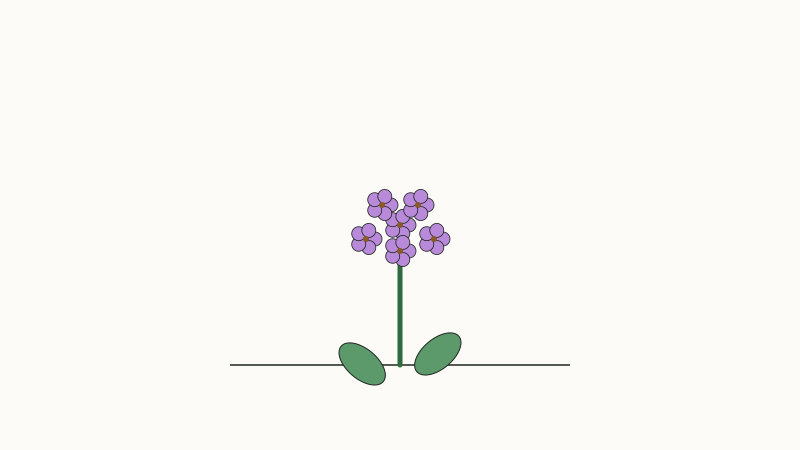
- Purple Cascade: the standard deep purple; the easiest seed strain to find
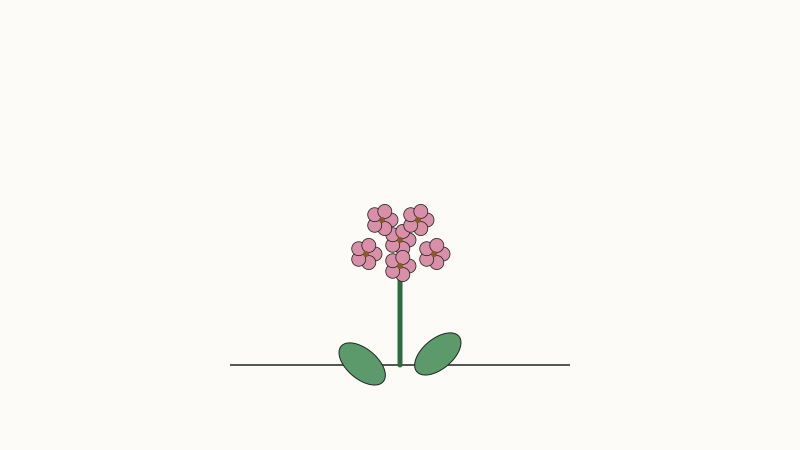
- Red Cascade: magenta red flowers on the same tight mat
- Whitewell Gem: violet purple flowers with a denser habit
- Doctor Mules: an old, reliable blue violet cultivar
Frequently asked questions
Does aubrieta bloom the first year?
From a nursery start, yes. From seed, plan on bloom in the second spring after sowing.
Is aubrieta deer resistant?
Mostly. The grayish, slightly fuzzy foliage is low on the deer menu, though hungry deer will sample anything in spring.
Why did my aubrieta die over winter?
Almost always wet soil, not cold. It survives zone 4 winters on drained rock garden ground but rots in soggy beds.
Can aubrieta grow in a wall?
That is one of its best uses. Tuck a small division or a pinch of seed into a crevice with gritty soil and it will spill over the face in bloom.