Houseplant growing guide
Australian tree fern
Sphaeropteris cooperi · Cyatheaceae
Sun
Part to full shade
Season
Evergreen tropical fern
Maturity
Trunked in 3 to 5 years
Water
High; keep evenly moist
Soil pH
5.5 to 7.0
Spacing
10 to 12 ft
By Dandre Noah
Planting australian tree fern
Australian tree fern (sold for years as Cyathea cooperi) is a patio and shade garden plant for most of the US, and a landscape tree only where frost never lands. NC State lists it for zones 8 to 11, but it grows reliably outdoors year-round only in zones 10 and 11; in zone 9 it needs a sheltered wall and frost cloth on cold nights, and anywhere colder it lives in a pot that comes inside before the first frost. Give it dappled shade to deep shade and a rich, moist, well-drained spot sheltered from wind, which shreds the lacy fronds. In a container, use a humusy mix in a pot with drainage and plan on repotting every couple of years.
Planting details
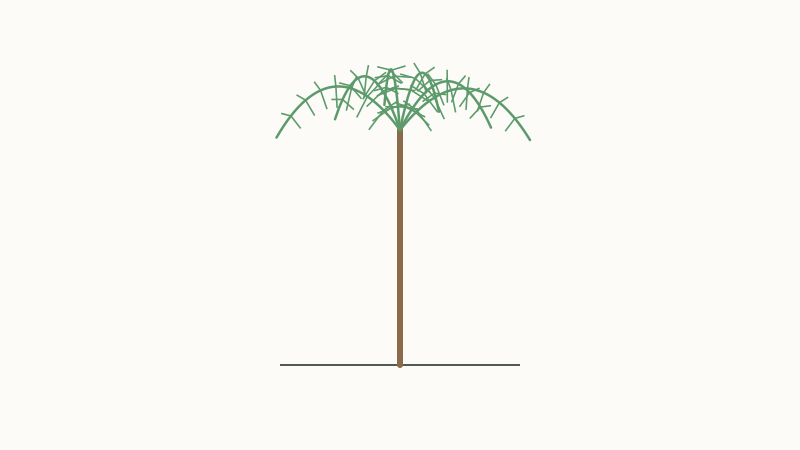
- Reaches 15 to 25 feet tall outdoors; individual fronds can stretch 10 feet or more
- Keep the soil and the trunk itself evenly moist; water at the base, not into the crown
- Hardy outdoors in zones 10 to 11, marginal in zone 9, container only elsewhere
- Wants 65 to 80 F and real humidity; browning frond tips usually mean dry air
- Propagated by spores, which is slow specialist work, so buy established plants
Growing requirements
This is a moisture plant in every sense. It wants consistently moist, loamy or sandy soil with good drainage, high humidity, and temperatures between 65 and 80 degrees. Shade is flexible: it tolerates anything from dappled light to deep shade, and takes more sun where the air stays humid and the soil stays wet. Indoors it needs the brightest, most humid room you have, like a sunroom or a big bathroom, and even then it will outgrow the space in a few years. Feed lightly during the growing season. Brown, crispy frond tips are the standard complaint and almost always trace back to dry air or a missed watering rather than disease.
Harvesting and care
Remove dead fronds at the trunk as they brown; each fallen frond leaves an oval scar that forms the trunk's coin spot pattern. Never water into the crown where new fronds unfurl, because trapped water rots the growing point; water the soil and wet the trunk instead. Spider mites and mealybugs are the main pests, worst on stressed indoor plants, and UF/IFAS notes termites can burrow into the trunk in warm climates. Growth is genuinely fast once it starts trunking, adding a foot or more of trunk a year in good conditions, so buy it for the size it will become.
Common mistakes
- Watering into the crown, which rots the growing point and can kill the plant
- Letting the soil or trunk dry out; this is not a drought plant
- A cold room or frost exposure; fronds brown and die back below freezing
- Hot afternoon sun in dry climates, which scorches and shreds the fronds
- Buying it as a permanent houseplant; it becomes a 15 foot conservatory plant
Companion plants
In a shaded bed or a grouped container display, Australian tree fern pairs naturally with other moisture-loving shade plants: hostas under its canopy, Boston ferns at its base, and cast iron plant filling the deepest shade nearby. All four share the same preference for steady moisture and no harsh afternoon sun. Keep thirsty annuals away from its trunk, since their feeding and watering needs differ, and give the fronds their full ten foot spread with nothing planted in the fall zone.
Varieties worth growing
- Brentwood: a vigorous selection with darker green fronds, the cultivar NC State lists
Frequently asked questions
Is Australian tree fern the same as Cyathea cooperi?
Yes. It was reclassified to Sphaeropteris cooperi, but nurseries still sell it under Cyathea cooperi and the older name Alsophila cooperi.
How cold can an Australian tree fern take?
Brief dips near freezing cause frond damage, and hard freezes kill it outright. Plan on zone 10 or warmer outdoors, and bring container plants in before the first frost.
Why are the frond tips turning brown?
Dry air, missed waterings, or a sudden temperature or humidity swing. The fronds are delicate; crisping edges are the plant's drought and dryness alarm.
Can I grow it indoors permanently?
Only in a very large, bright, humid space. NC State recommends it for sunrooms and conservatories rather than ordinary rooms, because it quickly outgrows a houseplant's footprint.