pests and diseases
Damping off
Last reviewed 2026-10-04
Damping off is a group of diseases that attack seeds and young seedlings, causing roots or stems to rot and collapse. Several soilborne organisms can be involved. The problem is more likely when growing media stay wet, air movement is poor, seedlings are crowded, or light and temperature are inadequate.
What it means
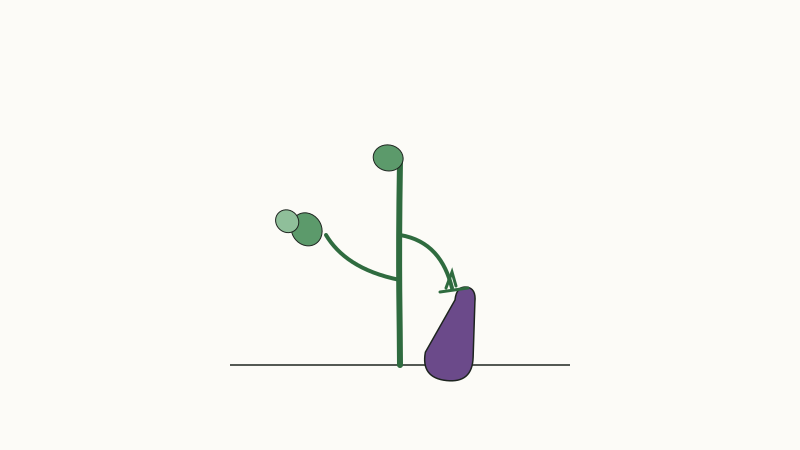
A seedling may emerge normally and then develop a thin, discolored stem at the soil line. It can topple even though the leaves still look healthy. Some infections prevent emergence altogether, while others affect roots below the surface. Damping off is a diagnosis based on a pattern, not the name of one single organism.
How it affects the garden
Prevention is more reliable than rescue. Use clean containers and fresh, well-drained seed-starting medium. Avoid overwatering, provide light and air movement, and give seedlings enough space. Bottom watering can reduce surface moisture, but do not leave containers standing in water. Remove affected seedlings and contaminated material rather than spreading it to healthy trays.
A seed germination test can help avoid sowing too densely, but it will not sterilize a growing medium. If a recurring problem affects valuable plants, a local extension office can help identify the likely cause.
Example
Several tomato seedlings emerge in a tray, then fall over at the soil line after a cloudy week. The mix has stayed saturated and the tray has little air movement. Drying the surface between waterings, improving light and ventilation, and discarding collapsed seedlings addresses the conditions that favor damping off.
Common confusion
Damping off is different from ordinary transplant shock. Transplant shock may cause temporary wilting after roots are disturbed, while damping off usually involves decay and collapse at the soil line or roots.
Sources
University of Minnesota Extension describes damping off symptoms and prevention.