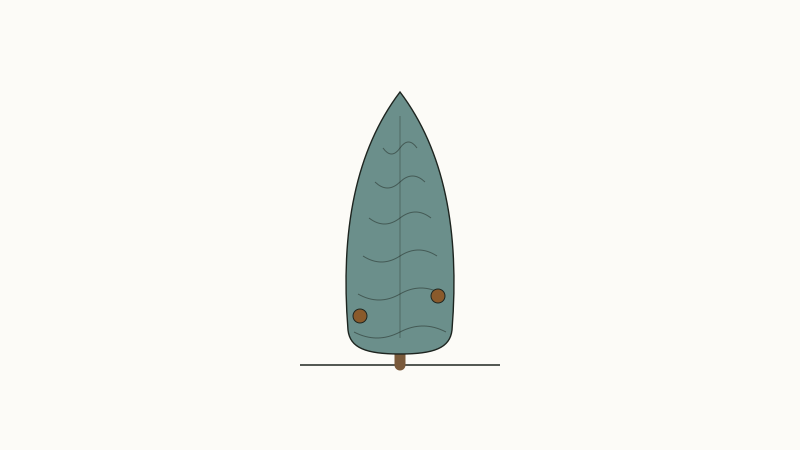
Tree growing guide
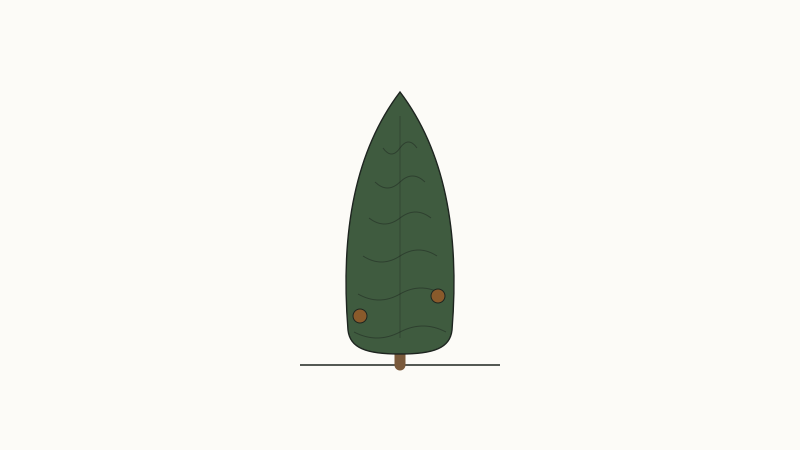
Austrian pine
Pinus nigra · Pinaceae
Sun
Full sun
Season
Needled evergreen
Maturity
40 to 60 ft at maturity
Water
Low once established
Soil pH
5.0 to 8.0
Spacing
20 to 40 ft
By Dandre Noah
Planting austrian pine
Plant Austrian pine in spring or early fall in full sun, in just about any soil that is not waterlogged. Hardy in zones 4 to 7, it transplants easily and tolerates clay, alkaline ground, road salt, wind, and drought once established, which is why it became the default windbreak and screen pine across the northern half of the country. Give a single tree 30 to 40 feet of room; for a screen or windbreak, space trees about 20 feet apart in a staggered row. One caution before planting: in the humid Midwest and East, Diplodia tip blight has made this a shorter lived tree than it used to be, so read the care notes before committing a permanent spot.
Planting details
- Mature size: 40 to 60 feet tall, 20 to 40 feet wide
- Hardiness: zones 4 to 7; struggles in the heat and humidity of the Deep South
- Stiff, dark green needles 3 to 6 inches long in bundles of two
- Bark turns nearly black and deeply plated with age
- Tolerates salt spray and coastal exposure better than most pines
Growing requirements
Austrian pine asks for full sun and drainage, and not much else. It accepts clay, sand, alkaline soil up to about pH 8, urban pollution, wind, and road salt, tolerances that made it a standard street and windbreak tree. Water deeply through the first two or three summers, then back off; an established tree handles drought well, though chronic drought stress makes it far more vulnerable to Diplodia. It dislikes two things: wet, compacted soil and hot, humid climates, where both tip blight and Dothistroma needle blight hit hardest. Feeding is unnecessary except on the poorest sand.
Harvesting and care
Maintenance is mostly disease watching. Diplodia tip blight is the defining problem on Austrian pine east of the plains: new spring candles brown, stunt, and die, starting on lower branches and working upward, and Purdue and Wisconsin extension both call it the most common fatal disease of this species. Prune infected tips in dry weather, cutting six to eight inches below visible damage, disinfecting between cuts, and rake out fallen cones that harbor the fungus. Water during drought to reduce stress. Pine wilt nematode, carried by sawyer beetles, kills trees outright in a season; a pine that turns uniformly brown in summer is usually dead and should come down. Pines never resprout from old wood, so never shear or top it.
Common mistakes
- Planting it as a long term specimen in the humid East or Midwest without accepting Diplodia risk
- Shearing or topping; pines cannot resprout from old wood and a topped pine stays topped
- Shade or crowded placement, which invites weak growth and worse blight pressure
- Ignoring drought stress on mature trees, the main trigger for severe Diplodia years
- Planting too close to driveways or buildings for its 20 to 40 foot spread
Companion plants
Austrian pine is a working tree rather than a companion planting anchor. In windbreaks it rows well with other tough conifers like Arizona cypress, with rows staggered so canopies interlock. Its dense shade and needle drop leave dry, acidic ground beneath where little thrives, so give it a wide mulch ring instead of an understory bed. Keep it well away from vegetable beds, both for the shade it will eventually throw and for the root competition along its drip line.
Varieties worth growing
- Arnold Sentinel: narrow columnar form for tight screens
- Hornibrookiana: a dwarf shrub form around 2 feet tall
- Oregon Green: glossier, denser needles; popular for exposed sites
Frequently asked questions
Why is my Austrian pine dying from the bottom up?
That pattern is classic Diplodia tip blight, which attacks new shoots starting on lower branches and worsens year over year on stressed trees. Prune out infected tips in dry weather and water during drought; severely infected trees may not recover.
How fast does Austrian pine grow?
About 1 to 2 feet a year once established, which is medium for a pine and slow enough that the windbreak takes a decade to fill in.
Is Austrian pine a good privacy tree?
Yes for screening and windbreaks, since the dense dark canopy holds to the ground when grown in sun. In blight prone regions, plan a mixed row with other conifers rather than a monoculture.
What can I plant instead where Diplodia is bad?
Eastern white pine and concolor fir get far less Diplodia. Norway spruce and Arizona cypress also fill the screen role without the same disease profile.