Flower growing guide
Balloon flower
Platycodon grandiflorus · Campanulaceae
Sun
Full sun to part shade
Season
Perennial
Maturity
Blooms from year 1 to 2
Water
Moderate
Soil pH
5.5 to 6.8
Spacing
12 to 18 in
By Dandre Noah
Planting balloon flower
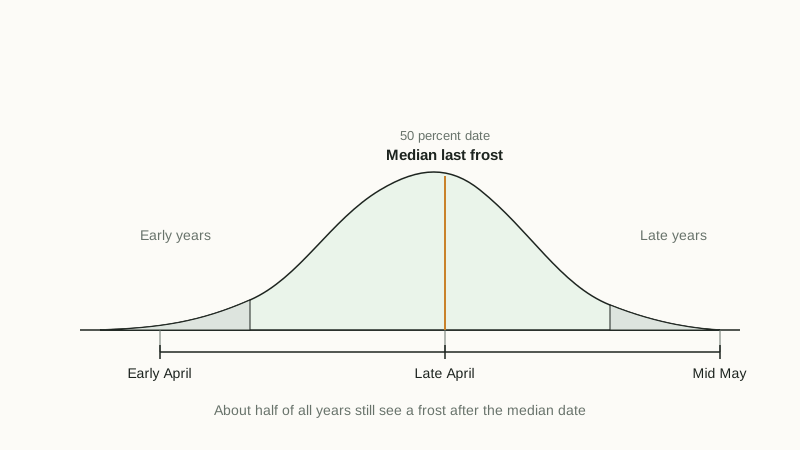
Balloon flower is a hardy perennial for zones 3 to 8 that hates being moved, so treat planting as permanent. Seed is easy: start indoors 6 to 8 weeks before the last frost or direct sow in spring, covering seed only about 1/4 inch deep. Young plants transplant without complaint, but once a clump is established the fleshy root system resents division and transplanting, which NC State Extension flags as difficult. Set plants in full sun to light shade and well-drained, slightly acidic soil. Then the single most important step: mark the spot. Balloon flower emerges very late in spring, weeks after neighboring perennials, and University of Illinois Extension notes that impatient gardeners routinely dig into the dormant crown during spring cleanup.
Planting details
- Seed depth: about 1/4 inch; germinates in 2 to 4 weeks
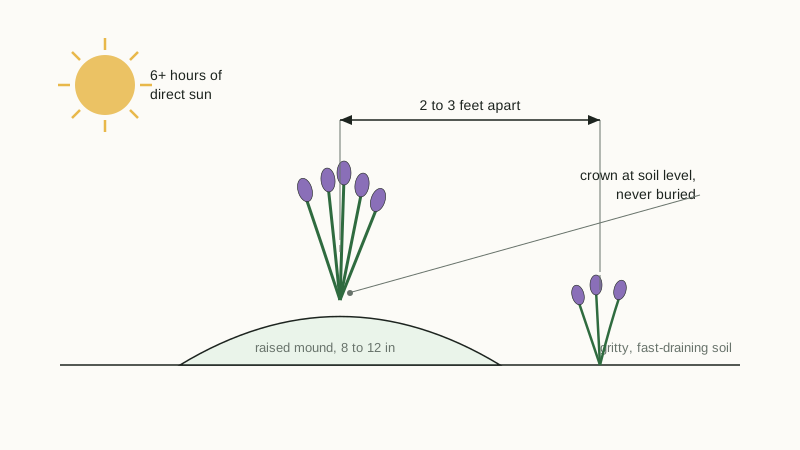
- Spacing: 12 to 18 inches for a clump 1 to 2 feet wide
- Start indoors 6 to 8 weeks before last frost, or sow in spring
- Emerges very late in spring; mark the crown so it is not dug up
- Plant once and leave; established clumps resent division
Growing requirements
Full sun produces the sturdiest stems; in light shade the plants still bloom but stretch and need staking, a trade-off the Chicago Botanic Garden's cultivar trial documented across 18 varieties. Soil should be well drained and modestly fertile, slightly acidic, and high in organic matter; winter wet is the main killer, since the fleshy roots rot in soggy dormant soil. Water during dry spells the first season or two, but established clumps are genuinely drought tolerant and prefer a lean rhythm: a long-lived balloon flower is one that is not fussed over. Pests are few; the main wildlife note is that deer browse the succulent stems and flower buds.
Harvesting and care
Deadhead the spent bells as they fade and the plant keeps setting buds into late summer; leaving them produces a ragged look fast. Tall cultivars like the Fuji series want a grow-through ring or stakes placed early, before stems lean. After frost kills the top, cut stems to the ground, and mark the crown again before winter mulch goes on. Mature clumps can live for decades undivided, and that is exactly how they should be left. If a move is truly unavoidable, do it in early spring just as the white shoots break ground, dig deep, and expect the plant to sulk for a season.
Common mistakes
- Digging up the crown in spring because it looks dead; it emerges weeks late
- Moving or dividing an established clump, which usually kills it
- Wet, heavy soil over winter, which rots the fleshy roots
- Skipping the stake on tall cultivars, which flop after summer storms
- Rich, overfed soil, which pushes floppy growth instead of bloom
Companion plants
Balloon flower's midsummer bloom and blue-green foliage sit well with other long-blooming perennials that fill the same season: coneflowers, black-eyed Susans, phlox, and Shasta daisies make the classic combination. Because it emerges so late, plant it beside early risers like daylilies or catmint that cover the bare spring ground where it sleeps. Its clean, disease-free foliage also makes it a tidy neighbor for roses and shrubs at the front of a mixed border. Avoid crowding it with aggressive spreaders; the clump increases slowly and loses the contest to anything that invades its root zone.
Varieties worth growing
- Astra series: dwarf 6 to 12 inch plants in blue, pink, and white; no staking
- Sentimental Blue: compact dwarf blue; the tidy front-of-border choice
- Fuji Blue: the tall classic at 2 to 3 feet; best for cutting, needs support
- Mariesii: mid-size blue, a dependable middle-of-border plant
- Hakone and double forms: double, skirted flowers for a different look
Frequently asked questions
Does balloon flower come back every year?
Yes, and for decades. It is a long-lived hardy perennial in zones 3 to 8. The catch is that it emerges very late in spring, so mark the location to avoid disturbing it during cleanup.
Can I transplant balloon flower?
Young plants move fine, but established clumps do not. The thick, fleshy roots resent disturbance and often fail after division. If you must move one, do it in early spring and expect a lost season.
Why is it called balloon flower?
The unopened buds inflate into hollow, nearly round balloons before bursting open into five-pointed, bell-shaped flowers. Children love popping them; each popped bud is one lost bloom.
Do deer eat balloon flower?
Sometimes. The Chicago Botanic Garden trial notes deer enjoy the succulent stems and buds even though the plant is often listed as deer resistant. Where deer pressure is heavy, protect the new growth.
Can balloon flower grow in a pot?
Yes, but choose a deep container, at least 12 inches down, because the fleshy taproot resents being cramped or disturbed once established. Use a gritty, fast-draining mix, keep it evenly moist, and pinch the young stems in late spring for a bushier plant that needs less staking.