Houseplant growing guide
Baltic blue pothos
Epipremnum pinnatum 'Baltic Blue' · Araceae
Sun
Bright indirect
Season
Year-round indoors
Maturity
Years
Water
Low to moderate
Soil pH
5.5 to 7.0
Spacing
Container; climbs 4 to 8 ft
By Dandre Noah
Planting baltic blue pothos
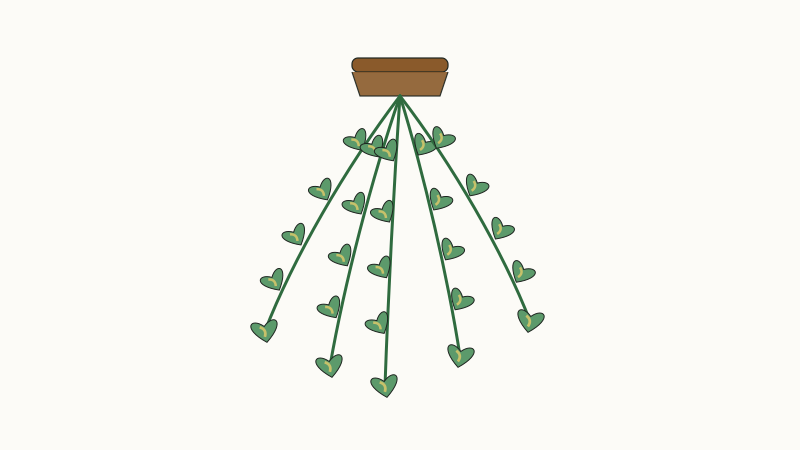
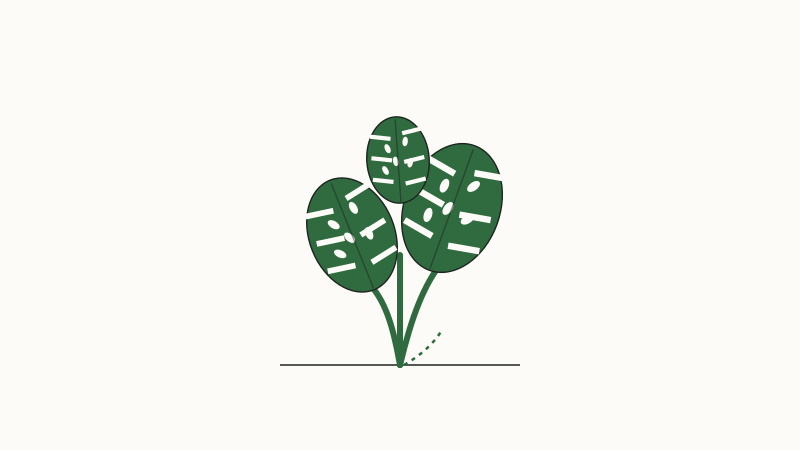
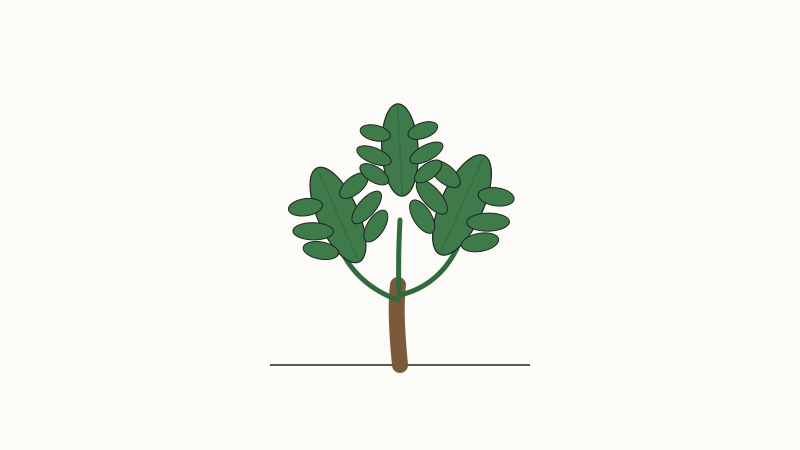
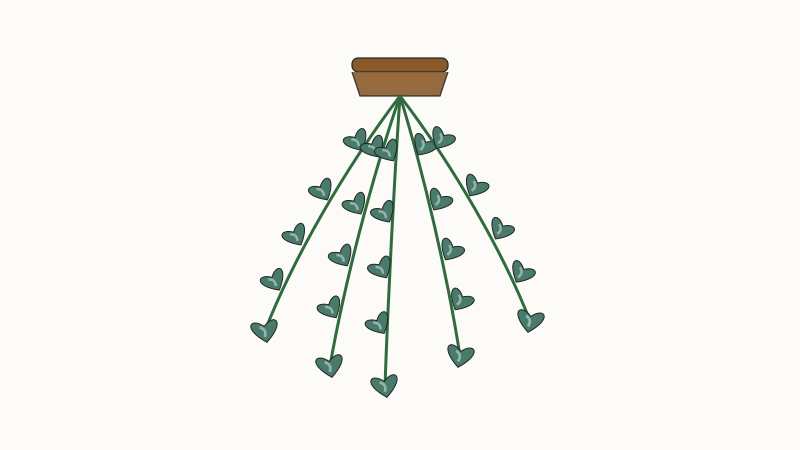
Baltic blue pothos is a recent cultivar of Epipremnum pinnatum, the same species as Cebu blue, released to houseplant growers around 2021 and propagated entirely by cuttings. Pot it into a chunky, well-aerated aroid mix, something closer to orchid bark and perlite than heavy potting soil, in a container with drainage. The decision that matters is the same one its cousin Cebu blue forces: hang it and it keeps producing deep blue-green, lance-shaped juvenile leaves, or give it a moss pole and it climbs into the mature form, where the leaves grow larger, darker, and split into dramatic fenestrations. NC State Extension describes E. pinnatum's juvenile leaves as smooth and entire, with the deeply incised, fenestrated form appearing only as the vine matures and gains height.
Planting details
- Chunky aroid mix with bark and perlite; drainage hole required
- Climbs 4 to 8 feet indoors on a moss pole or board
- Fenestration requires maturity plus a climbing surface
- Repot every 2 to 3 years in spring
- Root cuttings in water or moist mix below a leaf node
Growing requirements
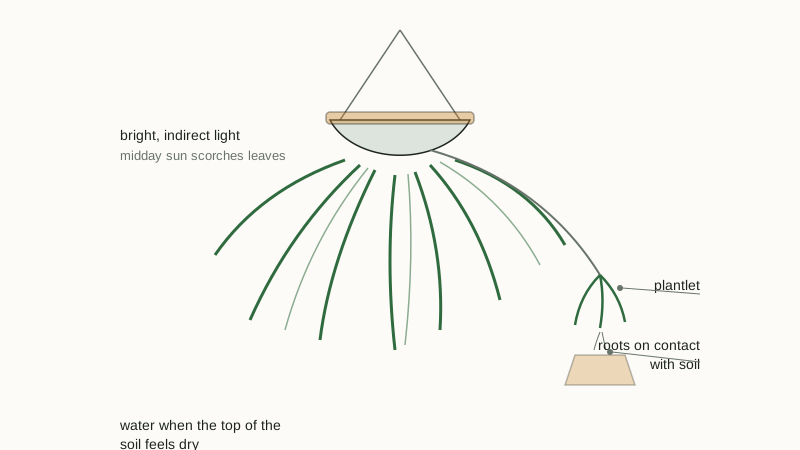
Bright, indirect light keeps the blue cast strong and pushes the plant toward its fenestrated mature form; in dim rooms it survives but reverts to smaller, greener leaves and never splits. NC State Extension recommends moist, well-drained, organically rich, slightly acidic soil for the species. Water when the top 1 to 2 inches of mix dry, and never let the pot stand in water, since overwatering is what triggers the fungal and bacterial rots this genus is prone to. Warm, draft-free placement matters more than humidity: normal household humidity is fine, but cold air below about 55 F stalls or damages it.
Harvesting and care
Feed lightly every month or two during spring and summer with a diluted balanced fertilizer, and back off in winter. Prune in spring or early summer to control length and to keep a climbing plant dense; every cutting with a node roots into a new plant for filling the pot. The aerial roots that grip a moss pole should be misted occasionally so they stay attached. Watch for mealybugs, scale, thrips, and spider mites, the pests NC State Extension lists for the species, and wipe the big leaves now and then so they can photosynthesize. Yellowing leaves in clusters point to soggy mix before anything else.
Common mistakes
- Expecting splits on a trailing plant; fenestration needs climbing and maturity
- Heavy potting soil, which suffocates the roots; it wants a chunky aroid mix
- Overwatering, the cause of nearly all yellow-leaf and rot problems
- Dim placement, which fades the blue and keeps leaves small and entire
- Cold drafts below about 55 F, which stall or damage the vine
Companion plants
Baltic blue pothos shares its care rhythm with the rest of the aroid shelf: monstera, tree philodendron, and other epipremnums all want bright indirect light and a dry-down between waterings. In a shared display it reads well against lighter plants, where its blue-black leaves contrast with chartreuse pothos or variegated philodendrons. Like all epipremnums it contains calcium oxalate crystals and is toxic to cats, dogs, and humans if chewed, so hang it or pole it out of reach of pets and small children rather than trailing it to the floor.
Varieties worth growing
- Cebu Blue: the sibling cultivar; narrower, silvery blue leaves that stay juvenile until climbing high
- Albo-Variegata: large serrated leaves with creamy white variegation; slower grower
- Skeleton Key: dark green leaves with a narrow pointed, key-like tip
- Marble King: small ovate leaves marbled cream and green
Frequently asked questions
What is the difference between Baltic blue and Cebu blue pothos?
Both are cultivars of Epipremnum pinnatum. Baltic blue has broader, darker blue-green leaves that fenestrate relatively early on a climbing plant; Cebu blue has narrower, silvery blue leaves that usually stay in the juvenile form unless the vine climbs high.
Why doesn't my Baltic blue pothos have split leaves?
It needs two things: a climbing surface and time. Trailing plants keep the solid juvenile leaf. Attach it to a moss pole, give it bright indirect light, and the new leaves enlarge and develop fenestrations as the vine matures.
Is Baltic blue pothos toxic to pets?
Yes. Like other epipremnums it contains calcium oxalate crystals that irritate the mouth and cause drooling and vomiting in cats and dogs. Keep it out of reach.
How do I propagate Baltic blue pothos?
Cut a stem section below a node and root it in water or moist mix. Roots form in a couple of weeks; pot the cutting once they reach about 2 inches.
How much light does Baltic blue pothos need?
Bright indirect light keeps the blue green color strong and pushes the plant toward the larger, fenestrated mature leaves it is grown for. It survives low light like most pothos, but stems stretch, leaves stay small and plain green, and splits may never develop. An east window or a spot pulled back from a south window is ideal.