Flower growing guide
Bear's breeches
Acanthus mollis · Acanthaceae
Sun
Full sun to part shade
Season
Perennial, blooms early summer
Maturity
4 to 6 ft in bloom
Water
Moderate
Soil pH
6.0 to 7.5
Spacing
24 to 36 in
By Dandre Noah
Planting bear's breeches
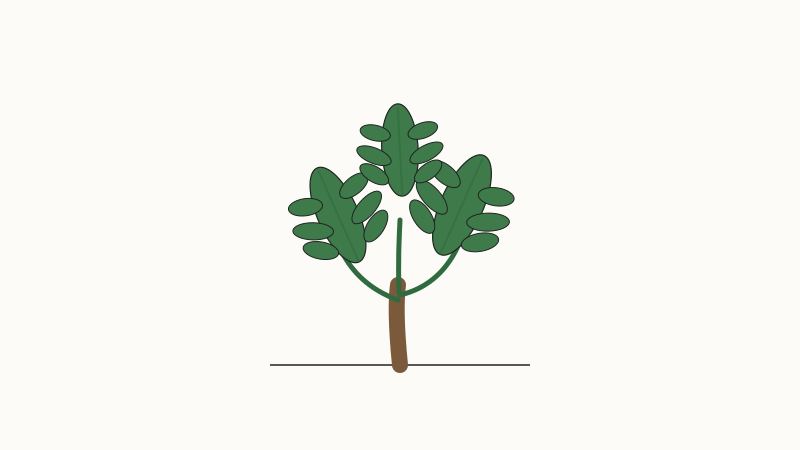
Set plants or root cuttings out in spring in full sun to partial shade, giving each clump 2 to 3 feet of room. Bear's breeches is a Mediterranean perennial grown as much for its huge glossy lobed leaves as for its flowers; the leaf shape is the model for the Corinthian column motif. Late spring to midsummer brings spikes of white snapdragon-like blooms hooded by spiny purple bracts, reaching 5 to 6 feet. It is hardy in zones 7 to 10, with mulched crowns surviving colder pockets of zone 6. Fair warning on siting: the roots wander, so plant it where spread is welcome, behind a root barrier, or hemmed in by pavement.
Planting details
- Spacing: 2 to 3 feet; a mature clump needs real room
- Hardy in zones 7 to 10; mulch crowns in zone 6 and colder sites
- Blooms late spring to midsummer on 5 to 6 foot spikes
- Spreads by creeping roots; use a root barrier where spread is a problem
- Propagate by root cuttings or division in early spring
Growing requirements
Fertile, well-drained soil is ideal, but it tolerates nearly any soil that is not wet. Full sun brings the best bloom; in hot climates give it afternoon shade or the leaves scorch. It is drought tolerant once established and may go summer dormant without irrigation, returning with fall rain. In colder zones a thick winter mulch over the crown protects the roots. Shade-grown plants bloom weakly or not at all.
Harvesting and care
Cut flower stalks out after bloom unless you want the dramatic seed pods. In cold-winter areas leave the foliage standing through winter and clear it in early spring as new leaves push. Late spring frosts can nip the flower buds and cost you the year's bloom, so a sheltered spot helps at the cold end of its range. Containing it is the real maintenance: root barriers corral the creeping roots, and any root fragment left in the ground resprouts, which makes an unwanted patch hard to dig out.
Common mistakes
- Planting it loose in a mixed border where the roots can wander into neighbors
- Rich wet soil, which softens the growth and accelerates the spread
- Cutting the foliage back in fall in cold zones; leave it as winter cover
- Pulling unwanted shoots while leaving root fragments, which resprout
- Expecting reliable bloom in deep shade
Companion plants
The bold foliage begs for fine-textured neighbors: ornamental grasses, hardy geraniums, and airy asters play off the big leaves, while peonies and phlox carry the border before and after the flower spikes. Give it roommates that do not mind a spreading root system nearby, and keep it away from small delicate perennials it will swallow.
Varieties worth growing
- Acanthus mollis: the common species; showiest leaves, most temperamental about late frost on buds
- Acanthus spinosus: spiny bear's breeches; hardier and more reliably floriferous
- Acanthus hungaricus: Hungarian bear's breeches; blooms later and takes more cold
- Summer Beauty: hybrid with big bloom and good heat tolerance
Frequently asked questions
Is bear's breeches invasive?
It can be. In mild climates the creeping roots spread steadily, and it is listed as invasive in Oregon and parts of California. Root barriers keep it honest.
Why won't my acanthus bloom?
Usually too much shade, or a late spring frost took the buds. Established clumps in sun bloom more reliably than young plants.
How do I get rid of bear's breeches?
Dig out every bit of root you can find, then keep digging: small fragments resprout. Persistent removal over a season or smothering the patch is what finally works.
Does bear's breeches grow in shade?
It tolerates partial shade and actually prefers afternoon shade in hot climates, but deep shade costs you most or all of the bloom.