Flower growing guide
Black-eyed Susan vine
Thunbergia alata · Acanthaceae
Sun
Full sun to part shade
Season
Warm
Maturity
70 to 90 days
Water
Moderate
Soil pH
5.5 to 7.0
Spacing
12 to 18 in
By Dandre Noah
Planting black-eyed susan vine
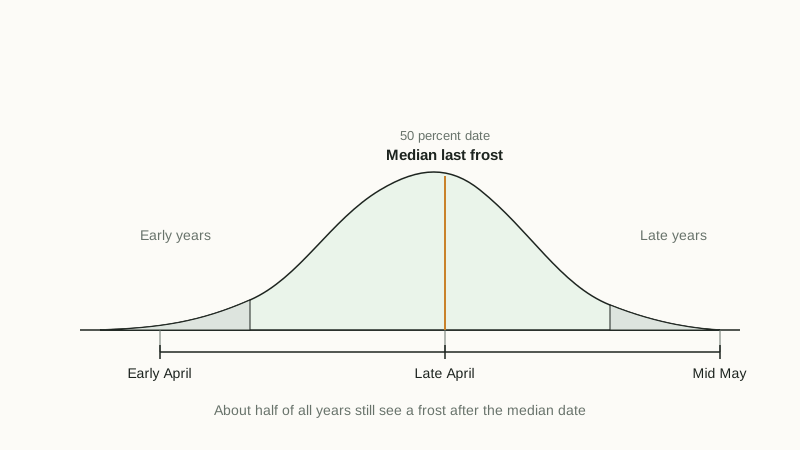
Start seed indoors 6 to 8 weeks before the last frost, or sow directly once frost has passed and the soil has warmed. Seed can be slow and uneven, so sow extra and keep the tray around 70 degrees F. Set the vine at the base of its support at planting time: the stems twine by themselves but need something thin to grab, like a trellis, strings, or a fence. In zones 10 and 11 it lives year-round and self-sows freely; everywhere else frost ends it. NC State Extension notes it reseeds readily and can be weedy in frost-free areas, which matters if you garden near natural land in Florida or Hawaii.
Planting details
- Seed depth: about 1/4 to 1/2 inch
- Spacing: 12 to 18 inches at the base of the support
- Twining habit: give it a trellis, strings, or a hanging basket to spill from
- Climbs 3 to 8 feet in one season
- Overwinter as a potted plant indoors if you want to keep it
- Seed capsule hides inside the spent flower bracts; each holds 2 to 4 seeds
Growing requirements
Full sun pushes the most bloom, but in hot-summer areas a little afternoon shade keeps it happier and NC State notes the best flush comes after the peak of summer heat anyway. It wants rich, evenly moist, well-drained soil: not drought tolerant the way many annual vines are. In containers and baskets, expect to water daily in hot weather. A light monthly feed is enough; heavy nitrogen grows leaves over flowers.
Harvesting and care
Deadheading is optional since the flowers drop cleanly, but pinching the tips early makes a bushier plant with more blooming stems. Twine new growth onto the support until it catches on its own; in a hanging basket it needs nothing but water. Indoors over winter, spider mites, scale, and whiteflies are the usual problems, so check leaves when you bring it in. In warm climates, pull volunteer seedlings if the vine spreads where you do not want it.
Common mistakes
- Planting out before nights warm up; cold stalls it badly
- No support, or a support too thick for the stems to twine around
- Letting baskets dry out in midsummer, which shuts down flowering
- Giving up on the seed tray early; germination can take 2 to 3 weeks
- Letting it seed itself in frost-free climates where it becomes a weed
Companion plants
Grow it up the same trellis as morning glory for a longer daily show, or let it trail over a basket edge above shade-tolerant begonias. Hummingbirds, butterflies, and bees work the flowers, so it earns its keep near a vegetable garden as a pollinator draw. Keep it off shrubs it might smother, and give it its own support rather than letting it scramble through neighbors.
Varieties worth growing
- Suzie Orange: bright orange flowers, the most common seed strain
- African Sunset: cream to brick red shades in one mix
- Angel Wings: white flowers, lightly fragrant
- Bright Eyes: all white flowers with the dark throat
Frequently asked questions
Is black-eyed Susan vine related to black-eyed Susans?
No. The name comes from the dark-throated look of the flowers. Rudbeckia hirta is a hardy native daisy; Thunbergia alata is a tropical vine in a completely different family.
Will it survive winter?
Only in zones 10 and 11, where it stays evergreen. Elsewhere, bring a potted plant indoors before frost or take cuttings in late summer.
How long until it blooms from seed?
Roughly 10 to 12 weeks from sowing, with heaviest bloom from midsummer into fall once the worst heat passes.
Can I grow it in a hanging basket?
Yes, it trails and twines both directions. Keep the watering consistent, because a hanging basket dries out fast in summer.