Houseplant growing guide
Blood lily
Scadoxus multiflorus · Amaryllidaceae
Sun
Bright indirect to part shade
Season
Summer bloom; dry winter rest
Maturity
One bloom per bulb per year
Water
Even in growth, dry in dormancy
Soil pH
6.0 to 7.0
Spacing
One bulb per 6 to 8 in pot
By Dandre Noah
Planting blood lily
Pot the bulb with its neck at or just above the soil line, about an inch deep in a rich, well-drained mix, in a pot barely wider than the bulb itself. NC State Extension calls it a Tender II bulb injured below 50 degrees F, which is why it is usually grown as a houseplant or a summer patio plant outside zones 9 to 11. If you plant it in the ground for summer, dig it before fall chill and store it dry in peat at 50 to 60 degrees.
Planting details
- Bulb depth: about 1 inch, neck near the surface
- Pot size: snug; it blooms best pot-bound and hates root disturbance
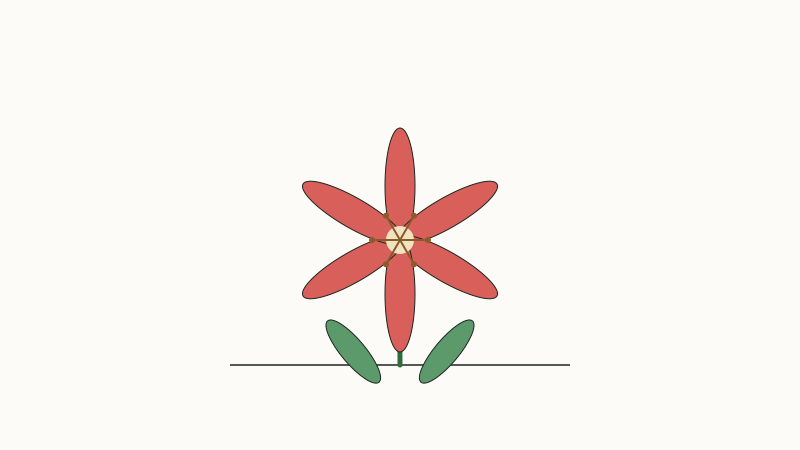
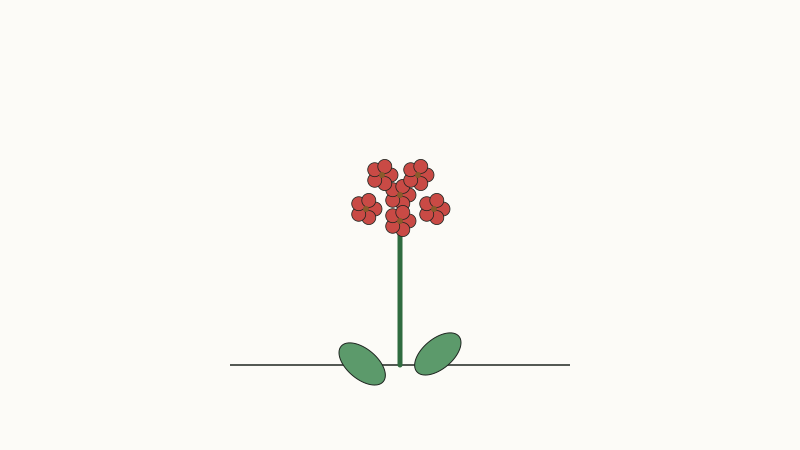
- One flower head per bulb per year: hundreds of red florets with yellow-tipped stamens
- Six or seven leaves per bulb arrive with or just after the bloom
- Orange-red berries follow the bloom in fall
- Formerly sold as Haemanthus multiflorus; bulbs contain mildly toxic alkaloids
Growing requirements
Bright indirect light suits it indoors, while part shade keeps the foliage from scorching outside. During the growing season it wants even moisture and organically rich, drained soil; NC State notes plants perform best root-bound and resent disturbance, so resist the urge to repot. Normal warm room temperatures are fine, but it cannot take real cold: damage starts below 50 degrees F, earlier than most tender houseplants. The flower stalk is a succulent 1 to 2 foot stem, and the leaf stalks carry dark spotting that is part of the plant's look rather than a disease.
Harvesting and care
Water steadily while the leaves and flower are growing, then taper off as foliage fades in late summer and keep the bulb nearly dry through its winter rest. Repot only when the pot is genuinely crowded, every few years, and expect a sulk after you do. Remove faded bloom stalks at the base. Slugs and snails are the main pests outdoors; indoors it is nearly trouble-free. Handle with a little care, since the bulb contains mildly toxic alkaloids.
Common mistakes
- Repotting every year; it blooms on crowded roots and sulks after disturbance
- Watering through the dormant rest, which rots the bulb
- Leaving it outside into the 40s; damage starts below 50 degrees F
- An oversized pot that stays wet long after watering
- Expecting repeat bloom in a season; one head per bulb per year is the limit
- Separating offsets the moment they appear; let them size up for a year or two first
Companion plants
Treat it as a soloist: the flower head is a specimen display, not a mixer, so give it its own pot and a clear space when it blooms. Its schedule pairs well with amaryllis on the same shelf, since the two bulbs run opposite seasons of rest. In summer beds it sits happily near shade-tolerant foliage like ferns that fill in around the bare stalks.
Frequently asked questions
Why is my blood lily not blooming?
Usually too much room or not enough rest. It flowers best pot-bound, so an oversized pot delays bloom, and a skipped dry winter rest leaves the bulb without the signal it needs.
Is blood lily poisonous?
Mildly. The bulbs contain lycorine and related alkaloids that cause stomach upset if eaten, so keep it away from pets and children that chew plants.
Is it the same as Haemanthus?
Almost: it was sold for years as Haemanthus multiflorus before being moved to Scadoxus. Old tags and catalogs still use the former name.
Can blood lily live outside year-round?
Only in zones 9 to 11, and even there a cold snap below 50 degrees F can injure it. Container culture with a winter inside is the safer default.