Houseplant growing guide
Dracaena
Dracaena marginata · Asparagaceae
Sun
Low to bright indirect
Season
Year-round indoors
Maturity
5 to 10 years
Water
Low
Soil pH
6.0 to 6.5
Spacing
2 to 3 ft
By Dandre Noah
Planting dracaena
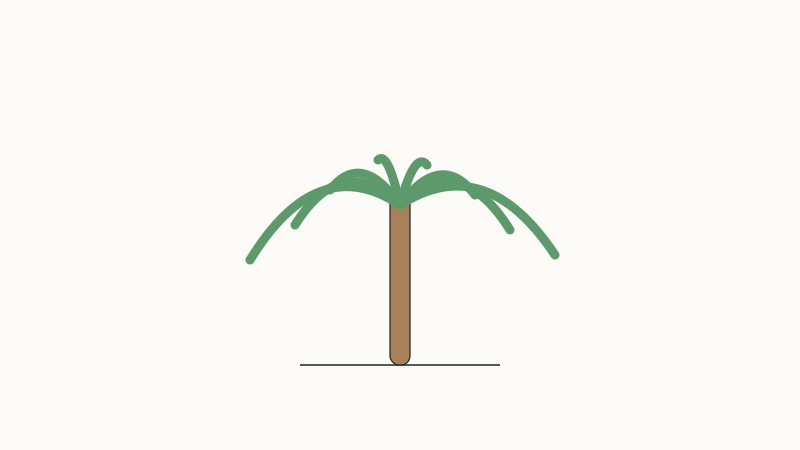
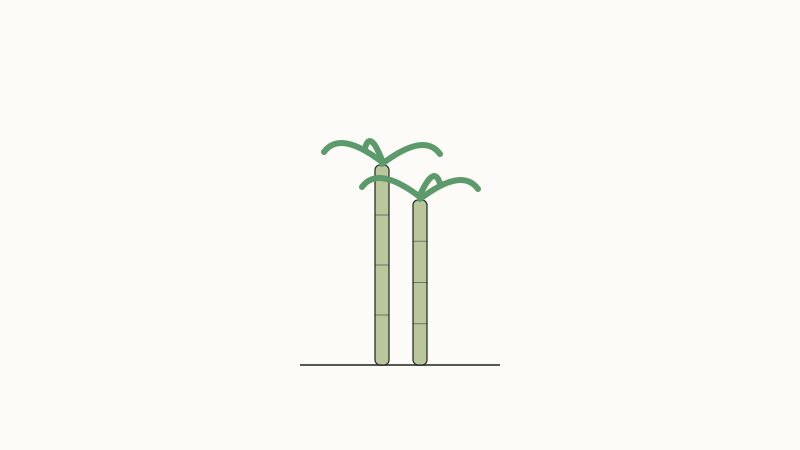
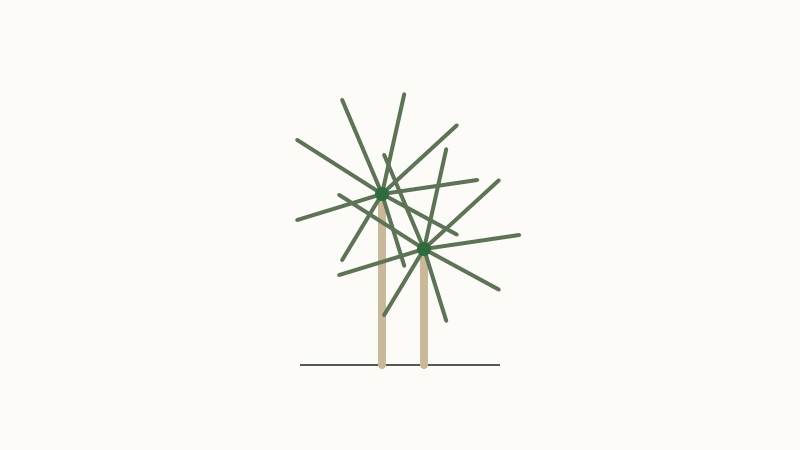
Dracaena marginata, the Madagascar dragon tree now classified botanically as Dracaena reflexa variety angustifolia, is sold as bare canes topped with tufts of narrow, red-edged leaves, usually at staggered heights in one pot. Repot in spring only when roots demand it, one size up into a well-drained mix, since it does best slightly snug. Indoors it grows year-round in low to bright indirect light; outdoors it survives in zones 10 to 12, where it can become a 20-foot tree. Propagation is by cane sections or tip cuttings, which root readily in water or moist mix.
Planting details
- Sold as canes at staggered heights; new plants come from cane or tip cuttings
- Repot only when roots fill the pot, one size up; it prefers to stay snug
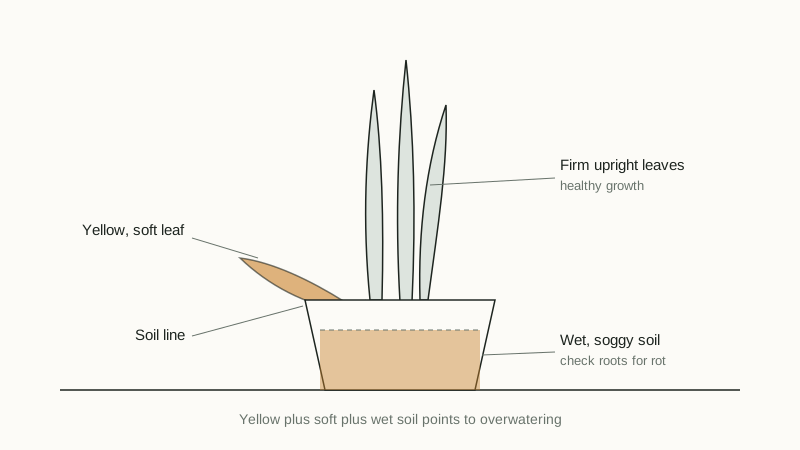
- Let the top half of the mix dry between waterings; wrinkled canes mean real thirst
- Use distilled or rain water where possible; fluoride discolors the leaves
- Hardy outdoors in zones 10 to 12; canes cut at any height resprout below the cut
Growing requirements
Bright indirect light produces the tightest tufts and the strongest red leaf edges, but marginata tolerates genuinely low light at the cost of slower, greener growth. It is one of the most drought-tolerant houseplants: let the mix dry well down between waterings and never leave it sitting in water. Wrinkled, soft canes mean real thirst; a mushy base means rot and is usually fatal. Feeding needs are modest, a light dose through spring and summer. The quirk worth knowing is fluoride: like other dracaenas it is unusually sensitive, and brown tips often trace to fluoridated tap water rather than thirst.
Harvesting and care
Lower leaves drop with age, leaving the diamond-patterned scars that give the canes their texture; pull dry leaves off cleanly rather than cutting into live tissue. A cane that outgrows its space can be cut anywhere along its length and resprouts two or more tufts below the cut, while the removed top roots into a second plant. Leaf spot shows up if foliage stays wet, so water the mix, not the leaves. Important caution: marginata is toxic to cats and dogs, causing vomiting, drooling, and weakness if chewed, so keep the canes out of pet reach.
Common mistakes
- Overwatering, which softens the cane base and triggers sudden leaf drop
- Fluoridated tap water, which burns brown tips and streaks into the leaves
- Cold below about 50 F, including drafty winter windowsills
- Expecting speed; a foot of growth a year is a good pace
- Wet foliage, which invites leaf spot on the narrow blades
Companion plants
Dracaena belongs in the sparse-watering group with corn plant, its broad-leaved cousin, and yucca, which shares the cane-form habit and love of bright dry conditions. All three handle the same infrequent soak-and-dry routine on the brighter side of a room, and lucky bamboo is another dracaena relative that fits the same rhythm in a smaller pot. Unlike the pet-safe palms, every dracaena is toxic to cats and dogs, so group them where pets cannot browse.
Varieties worth growing
- Tricolor: green leaves banded with white and pink edges
- Colorama: heavily pink-striped leaves; the showiest of the group
- Magenta: green blades with deep red margins, closest to the wild type
- Bicolor: grayish green leaves edged in pink to red
Frequently asked questions
Is dracaena marginata safe for cats and dogs?
No. It contains saponins that cause vomiting, drooling, weakness, and appetite loss in cats and dogs, per NC State Extension. Keep it out of reach of pets.
Is dragon tree the same plant as corn plant?
Different species, same genus. Marginata has narrow, red-edged leaves on thin canes; corn plant is Dracaena fragrans with broad, corn-like striped leaves.
Why are the leaf tips turning brown?
Usually fluoride or salt buildup rather than thirst. Water with distilled or rain water and flush the pot occasionally to clear residue.
Can I cut the top off a dracaena?
Yes. Cut a cane at any height and it resprouts with two or more new tufts below the cut; the removed top roots in water or moist mix.