Vegetable growing guide
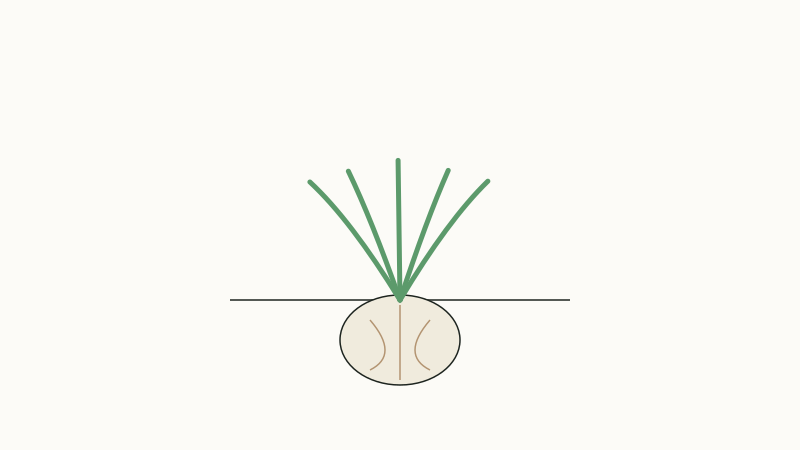
Onions
Allium cepa · Amaryllidaceae
Sun
Full sun
Season
Cool
Maturity
90 to 120 days
Water
Moderate
Soil pH
6.0 to 7.0
Spacing
4 to 6 in
By Dandre Noah
Planting onions
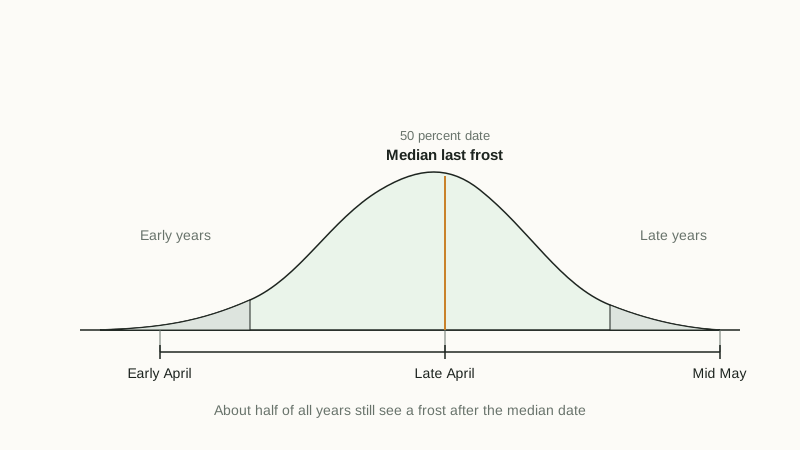
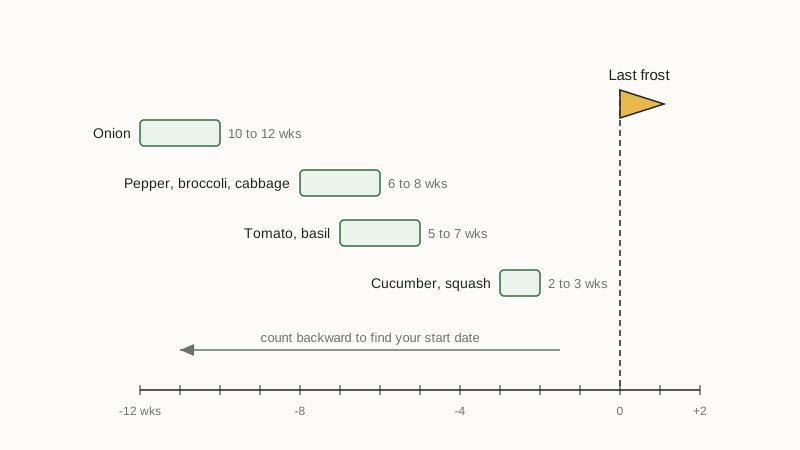
Onions are a day-length crop before they are a season crop, so matching the type to your latitude matters more than fertilizer. Long-day varieties need 14 or more hours of summer daylight and suit the north; short-day types bulb up at 10 to 12 hours and are for the south; intermediate types cover the middle. Set out transplants or dormant sets in early spring as soon as the soil can be worked, 4 to 6 weeks before the last frost, since bulbs need a long cool start to size up. Seed gives the biggest bulbs but takes the longest; sets are easiest and fastest for a modest harvest.
Planting details
- Transplants or sets: 4 to 6 weeks before the last frost, as soon as soil can be worked
- Sets are easiest; plants and seed grow larger bulbs
- Spacing: 4 to 6 inches in rows; tighter for scallions, wider for storage bulbs
- Keep beds weed-free, since onions have shallow roots and compete poorly
- Choose short-day for southern gardens, long-day for northern
Growing requirements
Onions want full sun, loose fertile soil, and steady moisture while the tops are growing. The bulbs form in response to day length, not warmth, which is why planting a northern long-day variety in the south yields tiny bulbs no matter how good the soil. Soil pH 6.0 to 7.0 suits them; work in compost or a balanced fertilizer at planting because onions are greedy feeders. Once the tops begin to fall over in late summer, watering should stop so the bulbs can cure in the ground before they are lifted.
Harvesting and care
Harvest when the tops have flopped and browned on their own, not before, since bulbs lifted early keep poorly. Cure them in a single layer in a warm, dry, airy place for 2 weeks until the necks are tight and papery, then trim and store cool and dry. Any bulbs that bolted or sent up a flower stalk should be used first, since they do not store. Green onions can be pulled at any stage once the stem thickens.
Common mistakes
- Planting a long-day variety in the south, or short-day in the north, which gives tiny bulbs
- Letting weeds overrun the bed, since onions have shallow roots and poor competition
- Harvesting before the tops fall, which produces bulbs that store badly
- Watering after the tops start to die back, which delays curing
- Using thick store-bought sets for bulbing, which often bolt instead
Companion plants
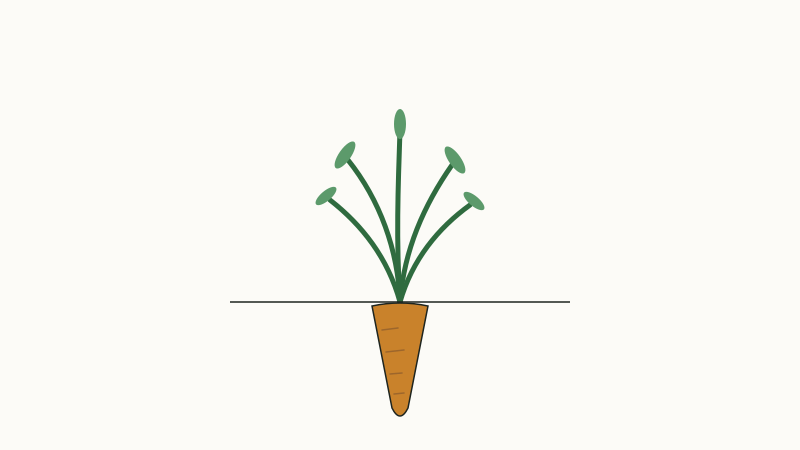
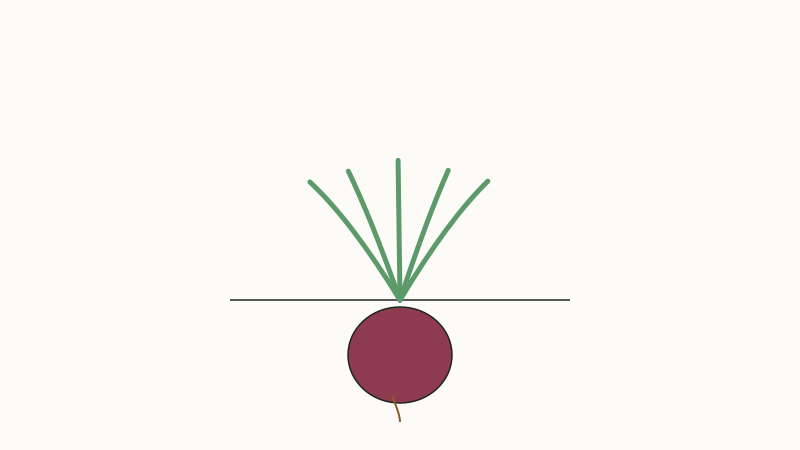
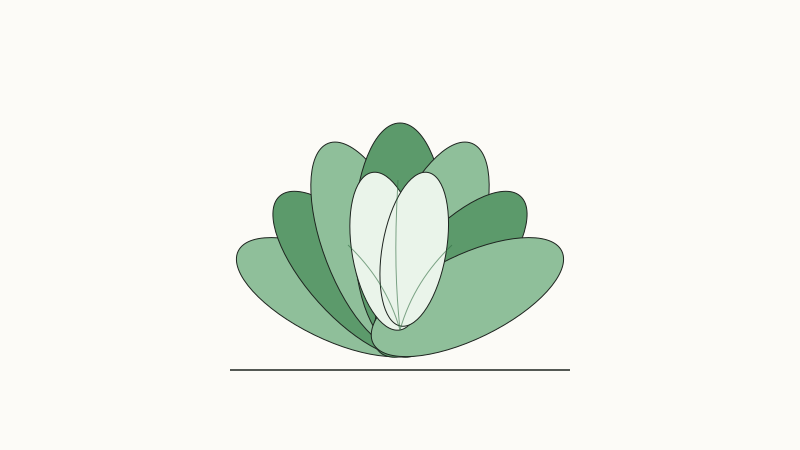
Onions fit beside carrots, beets, and lettuce because their shallow roots and upright habit do not shade or crowd those crops. The scent is often claimed to confuse carrot fly and other pests, though the effect is modest rather than guaranteed. Keep onions away from peas and beans, which they can stunt, and from asparagus beds where root competition is an issue.
Varieties worth growing
- Walla Walla: large, sweet, and mild; a long-day type for the north
- Texas Super Sweet: short-day type for southern gardens
- Copra: firm yellow keeper for long-term storage
- Red Burgundy: mild red onion for fresh eating
Frequently asked questions
Why did my onions stay small?
Usually the wrong day-length type for your latitude, or a bed that was too weedy or too dry while the tops were still growing. Bulbs need a long, vegetative head start.
Can I grow onions from seed?
Yes, and seed-grown bulbs store the best of any method. Start them indoors 10 to 12 weeks before transplanting out, or direct sow in early spring in mild climates.
How do I store onions?
Cure them thoroughly until the necks are papery, then keep them cool, dry, and dark in a single layer or mesh bag. Soft, thick-necked, or bolted bulbs should be eaten first.