plant biology
Deadheading
Last reviewed 2026-10-04
Deadheading is the removal of spent flowers and, sometimes, the developing seed head. Gardeners use it to keep a plant tidy, redirect energy toward new flowers or vegetative growth, and reduce unwanted reseeding. It is optional for many plants and should match the plant's growth habit and the gardener's goal.
What it means
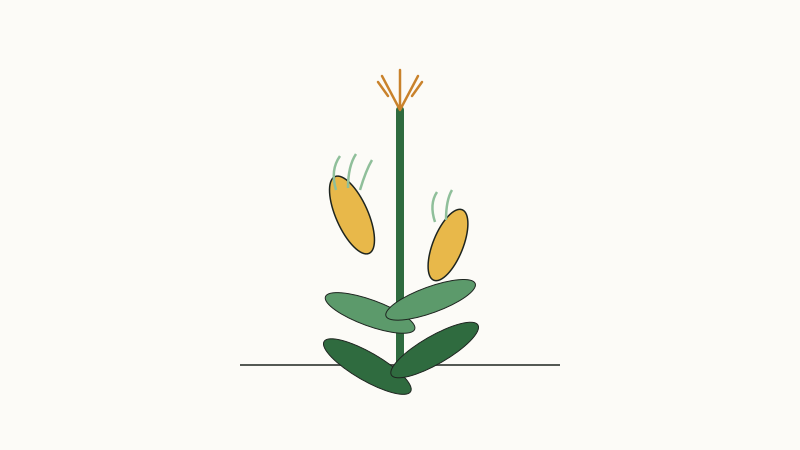
A spent flower is no longer contributing to the display, but it may still be useful to birds or for collecting seed. Deadheading can mean pinching off one flower, cutting a stem back to a healthy leaf node, or removing a whole cluster. The correct cut depends on the plant.
How it affects the garden
Remove flowers before seed formation when the goal is repeated bloom. Use clean, sharp tools for thicker stems and avoid cutting into new buds. Leave seed heads when they provide winter structure, food, or desired self-sowing. Some plants flower only once, so deadheading them will not create a second flush.
The plant selection tool can help choose plants for a preferred maintenance level. Do not deadhead a plant just because every garden guide recommends it. Observe whether the plant actually benefits.
Example
Removing faded marigold flowers above a healthy leaf set can encourage the plant to keep producing flowers instead of putting all its effort into seed production.
Common confusion
Deadheading is not the same as pruning for size or rejuvenation. It removes spent flowers, while pruning can change the structure of a plant more substantially.
Sources
University of Minnesota Extension discusses removing spent flowers as part of annual flower care.