seeds
Direct sowing
Last reviewed 2026-10-04
Direct sowing means planting seed in the garden bed, container, or other final growing place instead of starting it elsewhere and transplanting a seedling. It avoids root disturbance, but success depends on soil temperature, moisture, timing, seed depth, and protection from weather and pests.
What it means
A direct-sown crop completes germination and early growth in its final location. Root vegetables such as carrots are commonly direct sown because transplanting can distort the root. Some crops tolerate either method, while others benefit from an early indoor start in a short season.
How it affects the garden
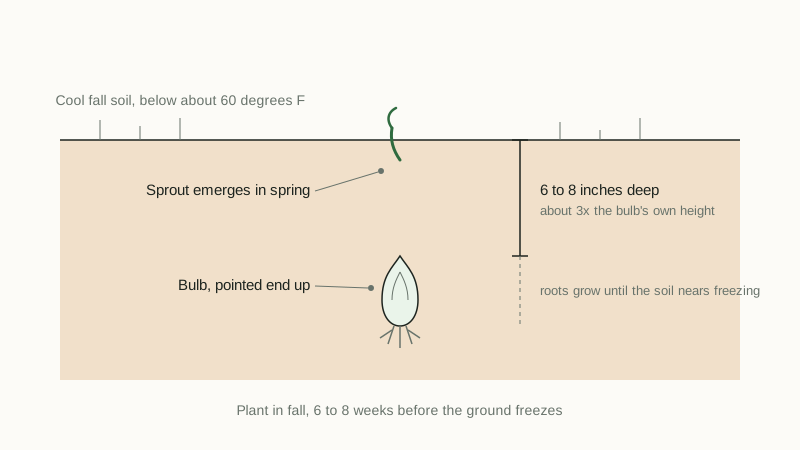
Prepare a fine, firm seedbed and sow at the depth listed for the crop. Keep the surface evenly moist while seeds germinate. Thin crowded seedlings so the remaining plants have room, or sow at a spacing that reduces thinning. Birds, slugs, crusted soil, and heavy rain can reduce emergence.
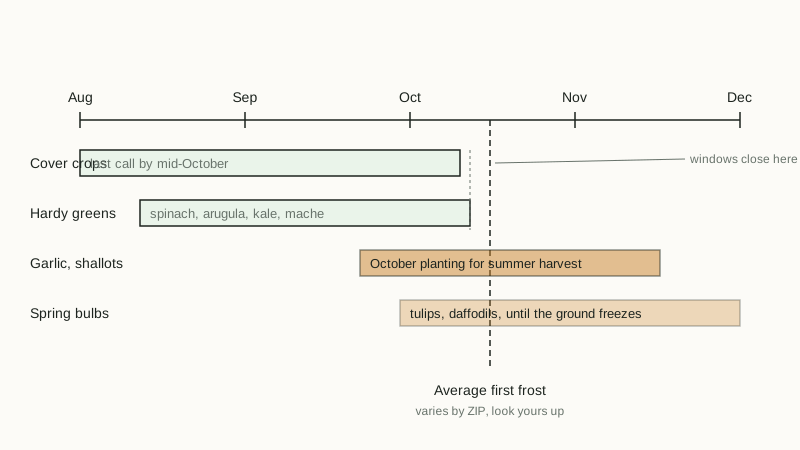
The seed quantity calculator can help plan a row, while the planting calendar helps match sowing to local conditions. A last frost date is only one input. Soil temperature may control whether a seed actually gets moving.
Example
A gardener direct sows carrots in a prepared bed, keeps the shallow row moist, and thins the seedlings after emergence. Starting carrots in a tray would risk disturbing their developing roots.
Common confusion
Direct sowing is not the same as broadcasting. Broadcasting scatters seed over an area, while direct sowing can use rows, stations, or individual holes.
Sources
University of Minnesota Extension explains why carrots are normally sown directly and how early care affects the crop.