Vegetable growing guide
Zucchini
Cucurbita pepo · Cucurbitaceae
Sun
Full sun
Season
Warm
Maturity
45 to 60 days
Water
Moderate
Soil pH
6.0 to 7.5
Spacing
24 to 36 in
By Dandre Noah
Planting zucchini
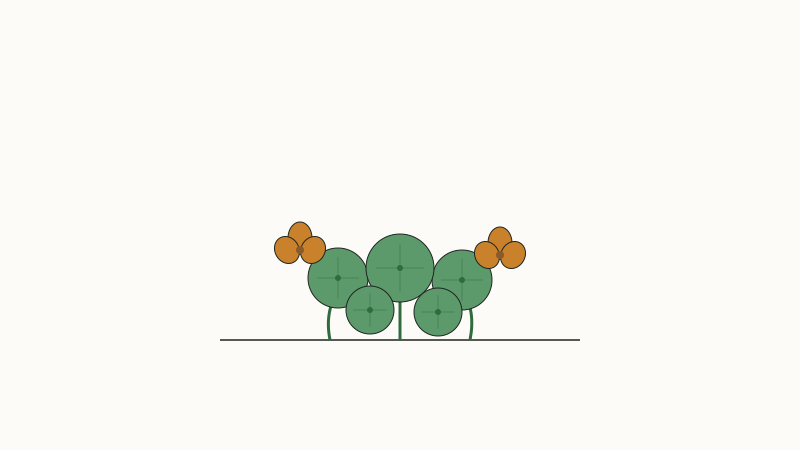
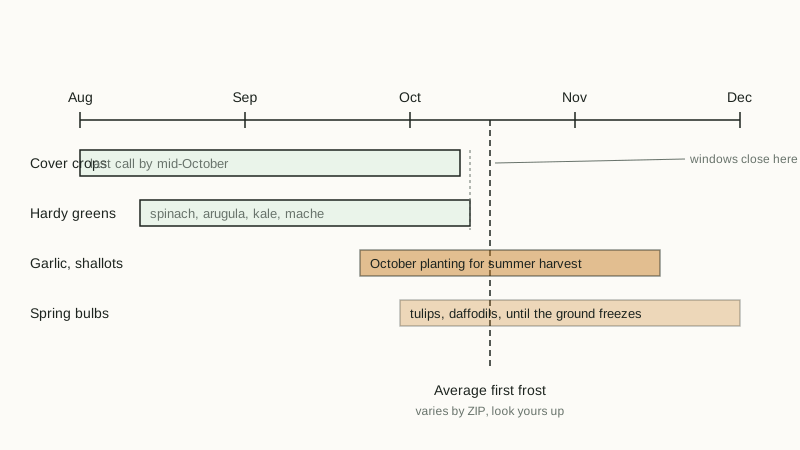
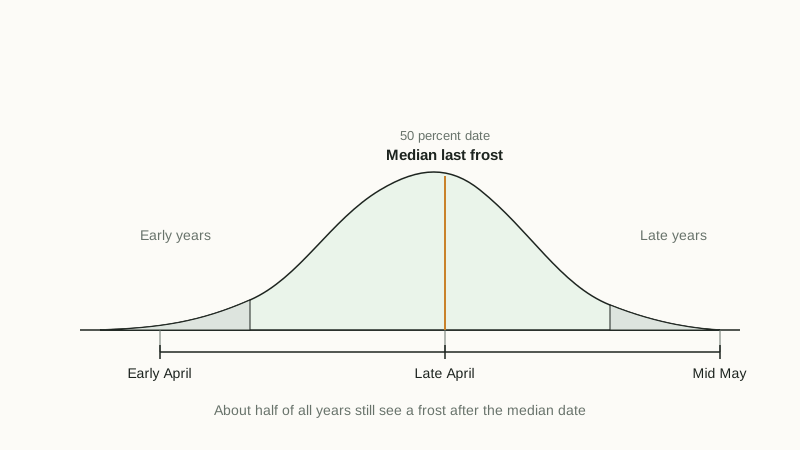
Zucchini is one of the fastest warm-season crops and one of the easiest to overdo. Sow seed directly after the last frost once the soil is warm, or start indoors 2 to 3 weeks early in biodegradable pots and transplant carefully, since the roots resent disturbance. Most households need only one or two plants; a single healthy vine can bury a kitchen in fruit by midsummer. In short-season climates, transplants give a useful head start; in the south, direct sowing is usually fast enough.
Planting details
- Sow directly or transplant: after the last frost, once soil is warm
- Sow 2 to 3 seeds per spot and thin to the strongest
- Seed depth: about 1 inch
- Spacing: 24 to 36 inches; vines spread wide
- One or two plants usually supply a household; three is a surplus
Growing requirements
Zucchini wants full sun, rich soil, and regular water at the roots. Soil pH 6.0 to 7.5 suits it, and it is a heavier feeder than most vegetables, so compost at planting and a side dressing when fruit sets are worthwhile. Mulch holds moisture through hot spells and keeps the developing fruit off the ground. Squash vine borers are the main pest in many areas; row cover on young plants until they bloom is the most effective protection, since the moth cannot lay eggs under it.
Harvesting and care
Harvest fruit at 6 to 8 inches for the best texture, and check plants every day at peak season because they can go from ideal to baseball bat in 2 days. Removing oversized fruit quickly keeps new flowers setting. The blossoms themselves are edible and worth picking when the plant is producing more than you can use. In hot climates the vines often pause in midsummer heat and resume once nights cool, so do not pull them early.
Common mistakes
- Planting too many hills, which buries the kitchen in squash by July
- Watering leaves instead of roots, which encourages powdery mildew
- Leaving giant fruit on the vine, which pauses new production
- Skipping row cover early, which leaves young plants open to vine borers
- Crowding the plants, which traps humidity and invites disease
Companion plants
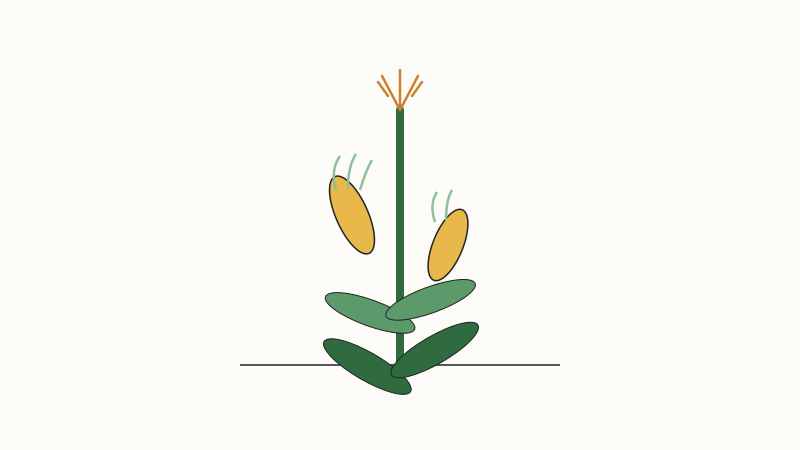
Beans, corn, and nasturtiums grow well near squash because they share the warm season and different root depths. The classic three-sisters planting runs pole beans up corn with squash sprawling underneath to shade the soil. Give zucchini room so the wide vines do not smother smaller neighbors by midsummer, and keep it away from potatoes, which compete hard for nutrients.
Varieties worth growing
- Black Beauty: the standard dark green zucchini; dependable and heavy
- Costata Romanesco: ridged Italian heirloom with better flavor and texture
- Golden: yellow fruit that shows up well against foliage
- Tromboncino: vining type; better flavor and fewer borers
Frequently asked questions
Why are my zucchini fruits rotting at the end?
Blossom-end rot, usually from uneven watering or low calcium uptake. Keep moisture steady and mulch so the soil does not swing between dry and soaked.
How do I deal with squash vine borers?
Cover young plants with row cover until they bloom so the moth cannot lay eggs. If borers get in, slit the stem, remove the grub, and mound soil over the wound.
How many zucchini plants do I need?
One or two for most households. Three or more usually produces more than a family can eat, give away, or compost.