plant labels
Organic
Last reviewed 2026-10-04
Organic has more than one gardening meaning. It can describe a certified production system governed by standards, or it can describe material derived from living organisms. A product labeled organic is not automatically harmless, nutrient-free, native, or better suited to a particular garden.
What it means
Certification rules define which inputs and practices are allowed for a production system. In everyday soil language, organic matter means material that came from living organisms. Those meanings overlap in conversation but should not be treated as identical.
How it affects the garden
Read the product label and certification claim rather than relying on the word alone. Organic fertilizers can burn plants or pollute water when overapplied. Organic pest controls can affect beneficial insects. Compost, manure, and plant residues differ in nutrient content, maturity, and possible contaminants.
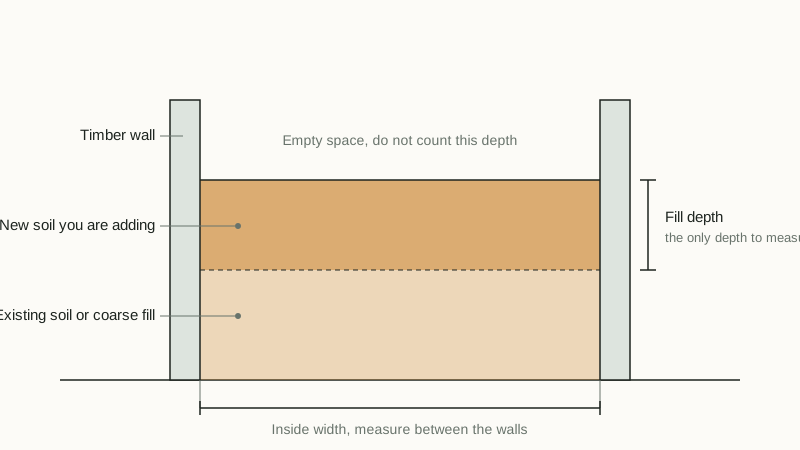
The compost calculator estimates material volume, while the fertilizer calculator handles a stated nutrient rate. Neither tool determines whether a product meets a certification standard.
Example
A gardener uses finished compost to add organic matter. That is an organic material use, but it does not by itself make the whole garden certified organic.
Common confusion
Organic is not the same as natural, safe, heirloom, or non-toxic. Those claims require their own definitions and evidence.
Sources
USDA National Organic Program explains the standards and certification framework for organic production.