soil
Organic matter
Last reviewed 2026-10-04
Organic matter is material derived from plants, animals, and microorganisms at different stages of decomposition. In soil, it can influence aggregation, water holding, nutrient storage, and biological activity. Organic matter is not one single product, and more is not always better for every crop or soil.
What it means
Fresh leaves, compost, roots, microbial remains, and stable humus are all forms of organic material, but they behave differently. Fresh material can temporarily affect nitrogen availability as microbes decompose it. Finished compost is more stable than fresh plant residue, but its nutrient content varies by source.
How it affects the garden
Add appropriate organic material gradually and protect soil from erosion and compaction. Use a soil test when nutrient or salt buildup is possible. Avoid incorporating fresh wood chips directly into a seedbed where they may interfere with early growth. Surface mulch and compost have different jobs.
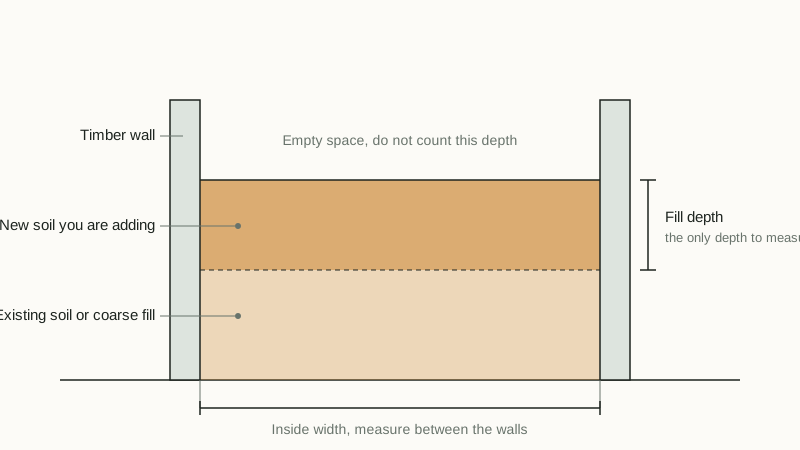
The compost calculator estimates volume. It cannot predict the exact nutrient contribution of an unknown compost. The soil calculator measures fill volume rather than organic matter percentage.
Example
Finished compost mixed into a vegetable bed can improve crumb structure and moisture behavior. The gardener still checks drainage and nutrient needs instead of assuming compost supplies every element in the right amount.
Common confusion
Organic matter is not synonymous with organic certification. It also is not the same as fertilizer, although it may contain nutrients.
Sources
USDA Natural Resources Conservation Service discusses soil organic matter and soil quality.