Native plant growing guide
Agave
Agave spp. · Asparagaceae
Sun
Full sun
Season
Evergreen perennial
Maturity
10 to 25 years to bloom for century types
Water
Very low
Soil pH
6.0 to 7.5
Spacing
3 to 10 ft by species
By Dandre Noah
Planting agave
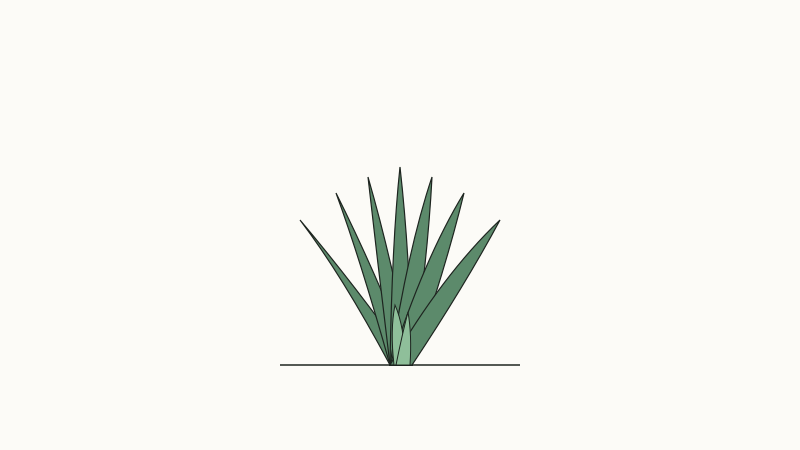
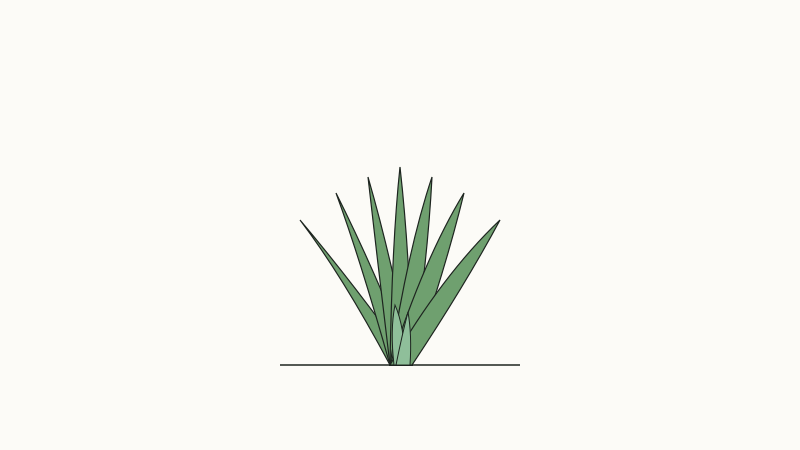
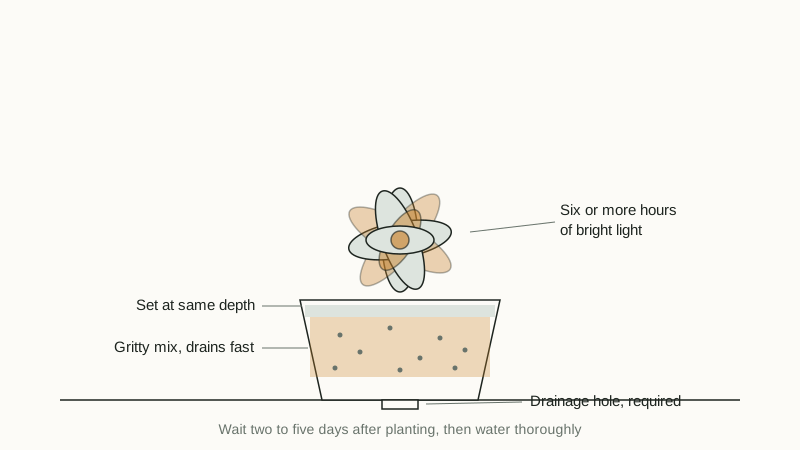
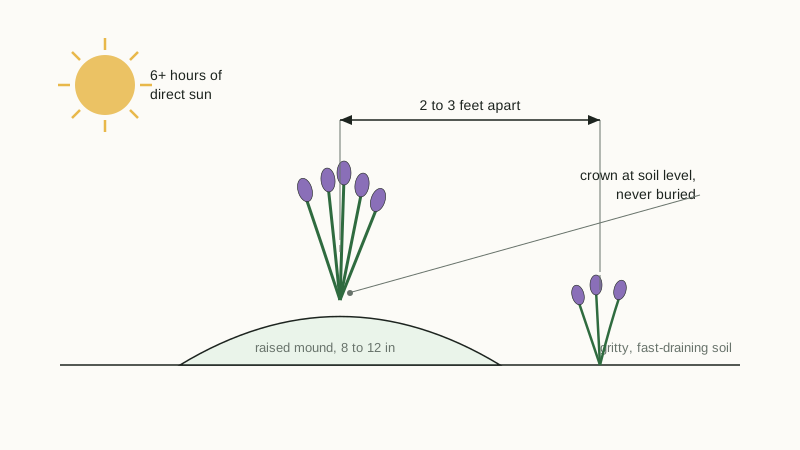
Agaves are New World succulents: several species are native to the US Southwest, and the rest come from Mexico and the Caribbean. Where they go in the ground depends entirely on species. Common century plant, A. americana, is hardy in zones 8 to 11; A. parryi and a few others take real winter cold into about zone 5. Everywhere colder, grow them in containers that come inside before frost. Whatever the climate, the planting rule is identical: full sun and soil that drains instantly. Set the crown slightly proud of the soil line on a slope or berm, mulch with gravel rather than bark, and then mostly leave it alone. Keep the big spined species well back from paths, play areas, and driveways, because the terminal spines are serious.
Planting details
- Spacing: 3 feet for small species to 10 feet for century plant
- Full sun and sharp drainage; gravel mulch, not bark
- In-ground hardiness runs zones 5 to 11 by species
- Monocarpic: the flowering rosette dies after blooming
- Sap irritates skin and the leaf spines are dangerous
Growing requirements
Full sun, always. The soil can be poor, thin, sandy, or rocky; it cannot be wet. In humid regions the main job is keeping water off the crown and roots, which means slopes, berms, raised beds, and gravel mulch. Established in-ground plants need essentially no irrigation, and potted plants get water only when the mix has dried through. They shrug off heat, salt spray, deer, and most insects. The two genuine threats are the agave snout weevil, which can hollow out a plant before symptoms show, and root rot in wet ground. Fertilizer is unnecessary and only pushes soft growth.
Harvesting and care
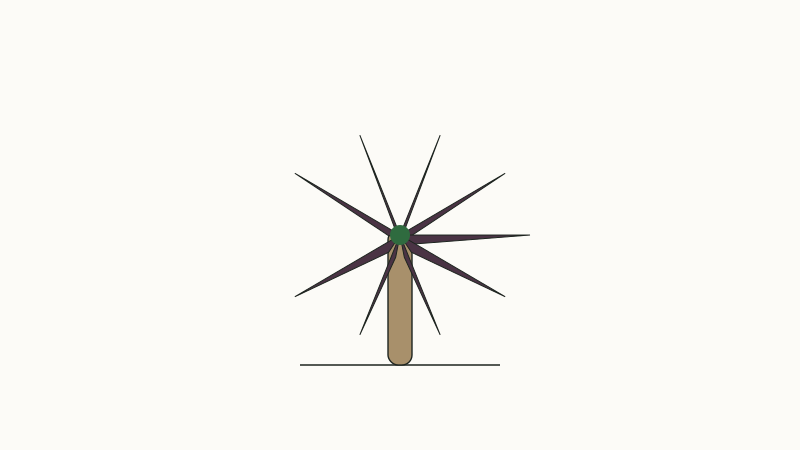
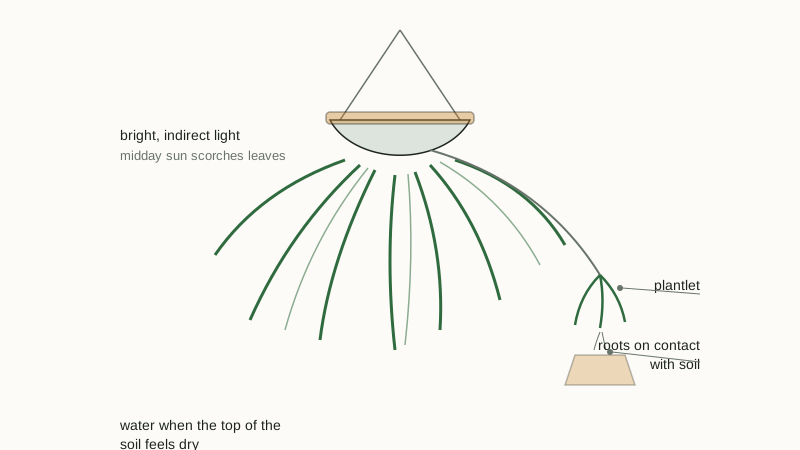
There is almost nothing on the calendar. Remove dead lower leaves by cutting close to the stem with a serrated blade, gloves on. When the plant finally blooms it is a once-in-decades event: a stalk rockets 15 to 30 feet over a few weeks, opens greenish-yellow clusters, and then the whole rosette dies. Before it goes it usually throws offsets, called pups, around the base; dig them with a bit of root once they are a few inches across and replant or pot them. Container plants want cactus mix and a heavy pot, and they come inside before frost anywhere north of their zone.
Common mistakes
- Bark mulch or wet ground, which holds moisture against the crown and rots it
- Siting century plants beside walkways, then fighting the spines forever
- Treating all agaves as frost-tender or all as hardy; hardiness varies hugely by species
- Watering established in-ground plants on a schedule
- Pulling pups too early or without roots; wait until they are a few inches across
Companion plants
In dry southwestern plantings it sits with other lean-soil plants: Adam's needle, black-eyed Susan, and ice plant cover the ground around its feet without asking for the irrigation that would rot it. Keep it well away from lawn edges and thirsty beds where sprinkler overspray reaches the crown, and give the big species room so nothing has to be pruned near the spines.
Varieties worth growing
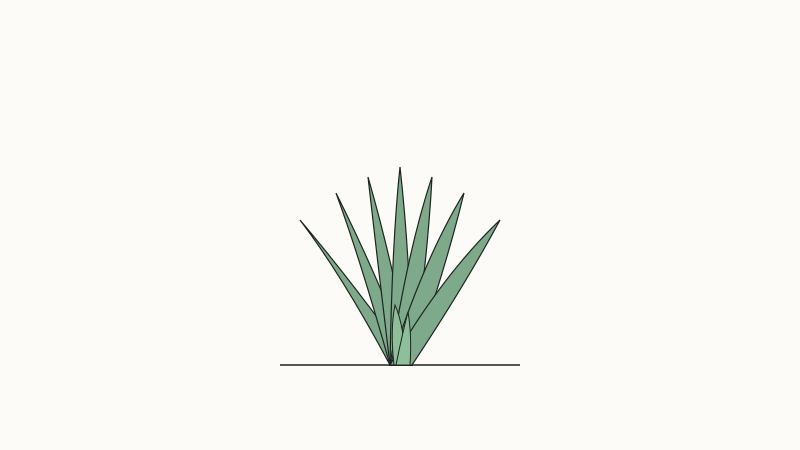
- A. americana: century plant; a 6 to 10 foot blue-gray rosette for zones 8 to 11
- Medio-picta and Marginata: white-striped and yellow-striped century plant forms
- A. parryi: artichoke-shaped and the hardiest common species, into about zone 5
- A. victoriae-reginae: compact white-edged rosettes; a collector's pot plant
- A. attenuata: fox tail agave; spineless, for paths and pots in frost-free zones
Frequently asked questions
Do agaves really die after flowering?
Yes. The flowering rosette is monocarpic: it blooms once, sets seed, and dies, but it almost always leaves pups at the base to carry on.
How long until a century plant blooms?
Not 100 years. Usually 10 to 25, and the 15 to 30 foot stalk is worth the wait.
Can I grow agave in a cold climate?
Choose a cold-hardy species like A. parryi for the ground, or grow any species in a pot that winters in a bright, cool, frost-free room.
Is agave sap dangerous?
It can blister and irritate skin and contains oxalate crystals. Wear gloves and long sleeves when pruning or digging pups.