Houseplant growing guide
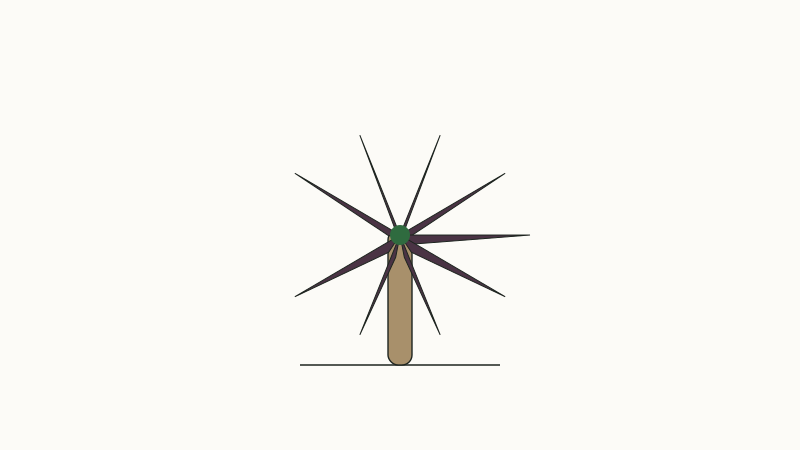
Aeonium
Aeonium spp. · Crassulaceae
Sun
Bright light to full sun
Season
Year-round indoors; winter grower
Maturity
2 to 4 years
Water
Low
Soil pH
6.0 to 7.0
Spacing
Container; 1 to 3 ft
By Dandre Noah
Planting aeonium
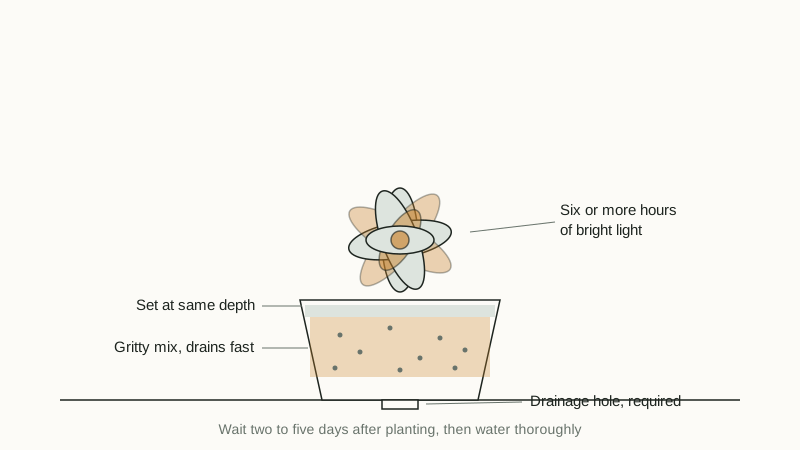
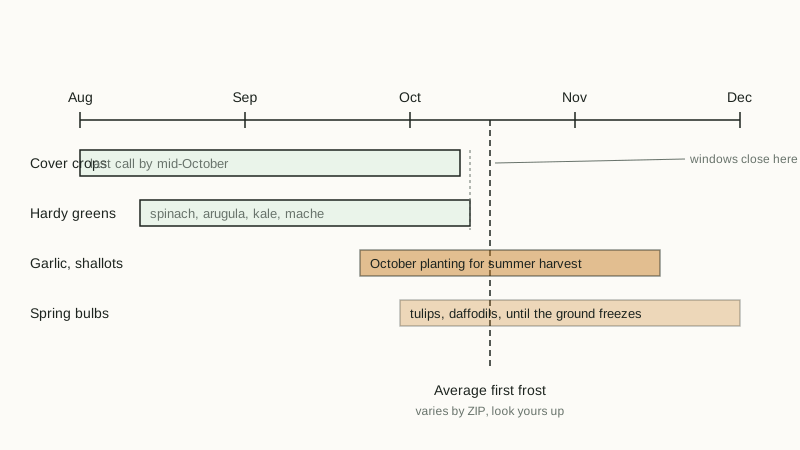
Aeoniums are outdoor plants only in the mildest parts of the country, zones 9 to 11; everywhere else they live in pots that summer outside and winter inside. Pot them in cactus or succulent mix in a container with drainage, terracotta if you can get it, since the tall rosette-on-a-stick types appreciate the ballast. The unusual part is the calendar: aeoniums are winter growers that go semi-dormant in summer heat, doing their real growing in the cool bright months and resting in midsummer, so the care rhythm runs opposite to most houseplants. Bring them in before nights drop below about 40 F and give them the brightest window you have.
Planting details
- Cactus or succulent mix in a pot with drainage
- Winter grower; rests in summer heat
- Hardy outdoors only in zones 9 to 11
- Water less in summer, more in the cool season
- Rosettes die after flowering; take cuttings first
Growing requirements
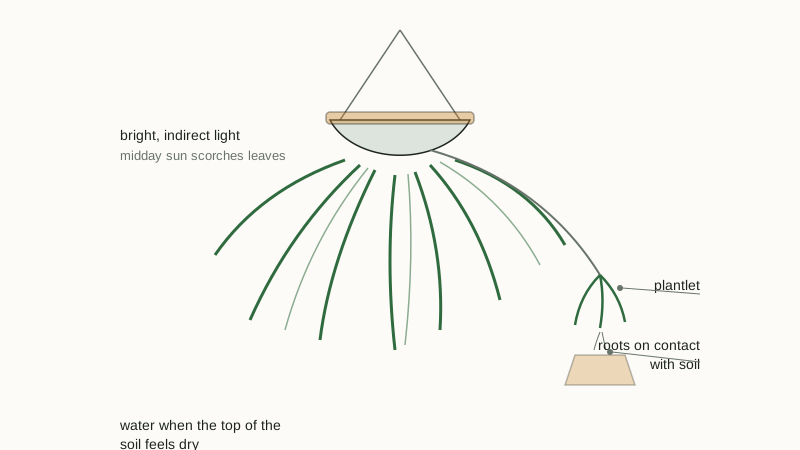
Bright light is the difference between a compact rosette and a leggy stem reaching for the window: indoors give it the sunniest sill you have, and acclimate gradually before moving it into direct outdoor sun in spring or the leaves scorch. Water when the mix dries an inch or two down, more often in the cool growing season and barely at all in summer dormancy, though a hot dry room can still wrinkle the leaves. Feed little or not at all. Normal room temperatures suit it, and it shrugs off low humidity, but below about 40 F it needs to be inside.
Harvesting and care
When a rosette sends up a flower cone, that head is finished: aeoniums are monocarpic, so the blooming rosette dies after setting seed. On branched plants the other heads carry on; on single-stem plants, behead and reroot the rosette before or after bloom to keep the line going. To propagate, cut a rosette with a few inches of stem, let the cut dry and callus for a couple of days, then set it in barely moist gritty mix. Leggy stems can be shortened the same way, and the stump usually resprouts.
Common mistakes
- Heavy summer watering during dormancy, which rots the roots
- Moving it straight from a dim winter window into full sun, which scorches leaves
- Rich houseplant mix that stays wet; it wants grit
- Panicking over summer leaf drop; the rosette tightens up again in fall
- Leaving it out into autumn frosts; damage starts around freezing
Companion plants
Group it with the other dry-rhythm succulents: jade plant, string of pearls, and aloe share the same gritty mix and dry-down watering schedule. Its dark cultivars show best against silver or lime foliage, so a pale succulent or a bright green pot neighbor sets off the near-black rosettes of Zwartkop better than another dark plant would.
Varieties worth growing
- Zwartkop (Black Rose): dark burgundy rosettes that go near-black in full sun
- Kiwi: tricolor rosettes of cream, green, and rose
- A. arboreum: the parent of most hybrids; shiny green rosettes to about 3 feet
- Cyclops: deep red rosettes with green centers on 3 to 4 foot stems
- A. tabulaeforme: flat dinner-plate rosettes that hug the pot
Frequently asked questions
Why is my aeonium dropping leaves in summer?
It is semi-dormant, not dying. Leaf drop in heat is normal for this winter-growing genus, and new growth resumes as the weather cools.
Can aeonium live indoors year-round?
Yes, in a genuinely bright window. Since it grows mostly in the cooler months, it does better through an indoor winter than many succulents.
Is aeonium toxic to pets?
Aeoniums are not listed among the highly toxic houseplants, but it is still worth keeping pets from chewing them.
How do I get more aeoniums?
Cut off a rosette with a few inches of stem, let the cut end dry for a couple of days, and plant it in gritty mix. It roots easily in the cool season.