Houseplant growing guide
Alocasia black velvet
Alocasia reginula 'Black Velvet' · Araceae
Sun
Bright indirect
Season
Year-round indoors
Maturity
2 to 5 years
Water
Moderate
Soil pH
5.5 to 6.5
Spacing
6 to 12 in
By Dandre Noah
Planting alocasia black velvet
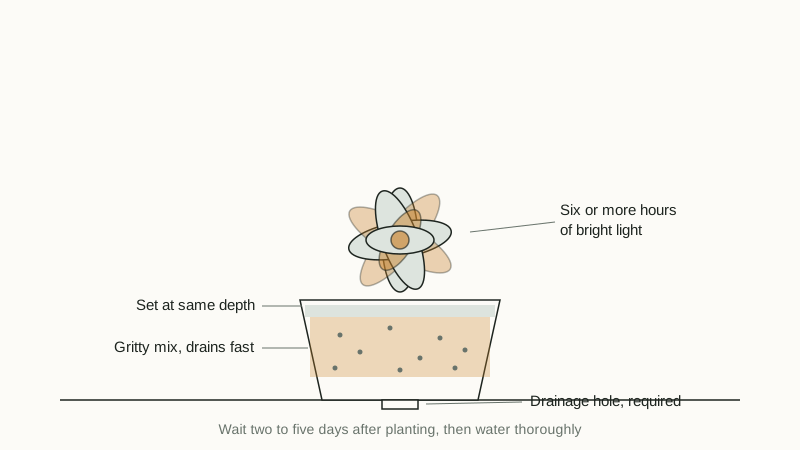
Black Velvet grows from a small rhizome that branches into a tight clump, so it wants a wide, shallow pot rather than a deep one. Pot it in a chunky aroid mix, orchid bark and perlite loosened into a coir or peat base, and size up only one pot at a time because a big pot of wet mix around a small rhizome is how this plant dies. Spring repotting doubles as propagation time: the rhizome splits into offsets that pull apart cleanly. Indoors it needs bright indirect light and steady warmth above 65 F. Outside, it is a shade plant for zones 10 to 12 only.
Planting details
- Use a wide, shallow pot; the rhizome creeps sideways rather than rooting deep
- Chunky aroid mix only, since the rhizome rots in dense, waterlogged soil
- Divide rhizome offsets in spring to propagate; seed is not a practical option
- Keep above 65 F year-round and far from cold windows and drafts
- Stays under 12 inches tall and spreads to about 18 inches wide at maturity
Growing requirements
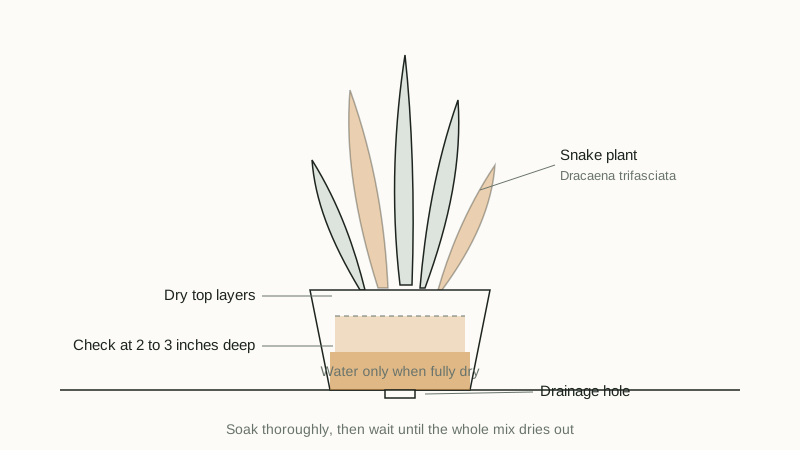
Bright indirect light keeps the leaves their signature near-black with sharp platinum veins; too little light greens them up, and direct sun bleaches patches into the velvet. Water when the top inch of mix dries, keeping it lightly moist in active growth and letting it dry a step further in winter. This is a slow grower, so it drinks slowly, and that is exactly why overpotting kills it. Humidity at 60 percent or higher prevents brown edges, though the velvety leaf surface resents being misted directly. Feed monthly at half strength in spring and summer.
Harvesting and care
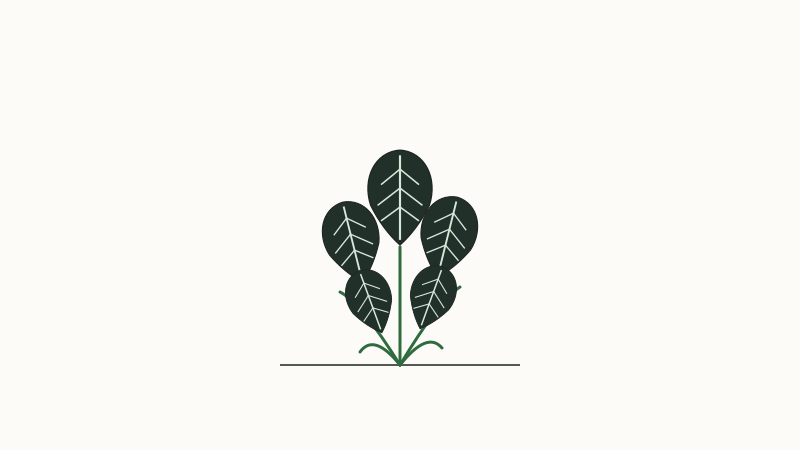
Expect Black Velvet to hold three to five leaves at a time and to drop the oldest as each new one unfurls; wholesale leaf drop in winter usually signals cold or dormancy, so back off watering rather than reaching for the can. Spider mites love the velvety undersides, and the fine hairs make infestations hard to spot until stippling shows on top. Wipe leaves with a dry or barely damp cloth, since standing water sits on the velvet and marks it. Like every alocasia, all parts carry calcium oxalate crystals and are toxic to cats, dogs, and people.
Common mistakes
- Potting into a large container, which keeps the mix wet far longer than the small rhizome can use it
- Dense potting soil with no bark or perlite, the fastest route to rhizome rot
- Misting the velvety leaves, which leaves water spots and invites fungal marks
- Interpreting normal winter leaf drop as thirst and watering a resting plant
- Cold rooms below about 60 F, which stall growth and trigger dormancy
Companion plants
Black Velvet groups naturally with the other jewel alocasias, melo and maharani, which share its small footprint and chunky-mix care. A nerve plant at the base of the pot signals when the air runs dry by wilting first. Keep it on a high shelf or in a glass cabinet, both for the humidity and because its toxicity makes floor placement a bad idea in pet homes.
Frequently asked questions
Is alocasia black velvet toxic to pets?
Yes. All parts contain calcium oxalate crystals that cause mouth burning, drooling, and vomiting in cats and dogs. Keep it well out of reach.
Why is my black velvet losing all its leaves?
If it happens in winter, the plant is likely going dormant from cold or short days. Cut water way back, keep it warm, and the rhizome will reshoot in spring.
How big does alocasia black velvet get?
It stays small: usually under 12 inches tall with an 18-inch spread at most. The University of Arkansas Extension describes the saucer-size leaves as one of its charms.
Is black velvet the same as alocasia polly?
No. Black Velvet is the species Alocasia reginula, with matte near-black leaves. Polly is a compact form of the hybrid Alocasia x amazonica, with glossier green leaves.